- Pool volume
- 70 to 75 m³
- Pool type
- Overflow + balance tank
- Pool finish
- Black resin, smooth
- Plant room
- 4.52 m², below ground
- Balance tank
- 5.46 m³, next door
- Filtration
- Sand, Kripsol 6-way
- Pump
- DAB EuroPro 200 M
- Sanitisation
- Salt, Zodiac TRi PRO
- Filter
- Kripsol Ø760, 225 kg
Quick reference
Everything normal
Mon1, FiltrationBandCopen,Aalmost closed- All four
Dopen Gopen (it is also7),EopenLshut or barely open,Hshut,1shut- Column ISOLATOR open, and the column moving
- Gauge
4at about 1.18 bar, green on the dial - pH 7.2 to 7.4, chlorine 0.6 to 1.5
Water coming in
- The pool is above you. Stopping the pump does not stop the water.
- Shut
7, thenL, then all fourD, thenG - Check the sump pump
Nis running. It is the only drain.
Three things never to do
- Never move the Kripsol lever with the pump running. Kill the panel first.
- Never put a chlorine product near the acid drum. The drum is sulfuric acid, whatever the old sheet says.
- Never run the cell with no flow. Isolate on
BandC.
Where each statement comes from
§1The whole installation, one diagram
This uses the letters and numbers already written on the printed sheets
(A, B/C, D, E, F, G,
H, L, M, N, and 1 to
7) rather than tags of my own, so that the drawing, the sheets and anything said out
loud in the room all use one vocabulary. Every key is drawn as a circle, on the drawing and in the
text alike.
Reading the drawing
- pipe
- larger bore
- to waste
- electrical or signal
- ◂▸ a valve
- ⁀ a small arc means two pipes cross without joining
- a wall the balance tank is behind
G7two badges on one valve: the sheets give it two names- on the site plan, schematic and not measured
The letters, as the sheets number them
A- Bypass around the salt cell. Keep almost closed: it sets how much water skips the cell.
B,C- Cell inlet and outlet. Keep open.
D×4- Return valves on the manifold. All four stay open, or the circuit throttles and filter pressure rises.
E- Mains top-up tap. Keep open so the automatic top-up can work. The line runs on to the left behind the filter and discharges into the return manifold, so mains water reaches the pool through the four wall outlets. It does not feed the tank; the tank fills from the pool spilling over its deck channel.
F- Solenoid on the top-up, opened by the two level relays in the panel. A manual bypass loop beside it lets you fill by hand if it fails, and it is also the way to speed up a refill, because a top-up solenoid is a small orifice by design. The bypass has no cut-out, so close it before the pool crests or it will run on into the tank's safety overflow and out to waste.
G- Compensation valve, on the low pipe behind the return drops. It is the tank outlet's own valve, and therefore the pump's entire water supply. It stays fully open. It is not the valve carrying the "barely open" advice; that is
L, below, and the two are easy to confuse. WithLandHshut, which is normal running, every litre the pump moves passes throughG. Two things follow. Never throttle it. A restriction before the pump drops the pressure at its inlet and can boil the water there, which sounds like gravel in the casing and erodes the impeller; if flow ever has to be trimmed it is trimmed after the pump, never before. And never run the pump withGandLboth shut. That is a dry run, and it is the one the low-level interlock cannot catch: the interlock watches the tank's level, so the tank can be brim full and the clear column perfect while the path to the pump is closed. The only reason to shutGis emptying the pool, whereLis opened in the same operation, with the pump off, so the pump still has somewhere to draw from. H- Also
6on the cleaning sheet. Manual vacuum. Normally shut. The port is in the pool wall: unscrew the cover, push the hose in, and the pump pulls dirt off the floor. L- Pool floor suction, the presa di fondo. Shut, or barely open so the deep water is renewed rather than sitting still. Open fully to empty the pool, with the pump off and
Gshut in the same operation. The pump must always have exactly one suction path open, and normally that isG. M- Also
2on the cleaning sheet, which is a picture number and not a lever position. Kripsol six-way valve, mounted on the filter's side. Position1, Filtration for normal running. - POD
- The clear probe holder clamped to the low horizontal pipe, between the filter and the cell branch. One body doing four jobs: the flow switch that stops the cell when the water is not moving, the pH probe (red), the ORP probe (blue), and the acid injection point. Zodiac's name for it, and the reason everything measured or dosed happens in one place.
- ACID
- Sulfuric acid 36%, the pH minus. One tube runs from the drum to the TRi PRO's peristaltic pump; a second returns from the pump to the POD, the clear probe holder on the low horizontal pipe. That is where it injects, into the same body that carries the pH probe, the ORP probe and the flow switch. The POD sits before the cell, which is where Zodiac puts it: the manual specifies the POD as the first element after the filter.
- ISOLATOR
- The valve at the foot of the level column, on the take-off between the balance tank and the column. Red handle, and the only valve in this room the printed sheets never lettered, which is why it is named here rather than given a letter of my own. Keep it open. Shut, it cuts the column off from the tank, and everything that follows is silent: the column freezes at whatever level it was showing, the probes sitting in it read that stale level, the automatic top-up stops calling for water, and the low-level interlock reads a satisfied tank and will let the pump run dry. Nothing else in the room looks wrong. If the column has not moved in days, check this before believing it.
N- Floor gully and sump with a submersible pump. The room is below ground, so this is the only way water leaves the floor.
1- Filter drain valve. Open it before a backwash, close it after.
3- Sight glass. Run the backwash until the water in it comes clear.
4- Filter pressure gauge. About 1.18 bar is normal running on this installation, measured 2026-09-09 on clean sand. Its face is banded green to 1.48 and red beyond, so the wash trigger is printed on the instrument. Kripsol's manual gives 0.5 to 0.7 and a 1.0 backwash trigger, but those describe the filter alone; this one sits behind an oversized pump on limiting pipework with the cell in circuit and
Athrottled, and all of that adds head. The printed sheet's “about 1 bar” was the accurate figure for this room. Backwash on the climb away from 1.2, not on an absolute number, and see the note on headroom in the water figures. 5- The vacuum point itself, the socket in the pool wall: unscrew the cover and push the hose in. A picture number from the cleaning sheet rather than a valve. The valve that opens that line is
6, which isH. - SUCTION
- The red-handled ball valve on the pump's suction, immediately before the clear strainer. No letter on sheet 1 and no picture number on sheet 3, so it is named here rather than given a letter of my own. Keep it open. It is what you shut to open the strainer basket or work on the pump without draining the balance tank, and it is the "suction valve" Kripsol's pre-start check tells you to open before filling the pump body by hand. Visible in photographs 16, 25 and 26. No matching valve is visible on the discharge in any photograph, so where Kripsol says "the suction and discharge valves", this installation appears to have one, not two.
7- The same valve as
G. Balance tank outlet: close it to vacuum harder, and close it when emptying so the tank does not drain too. This was carried as unresolved until the printed sheets were read against each other. Sheet 1 letters the components on its own photograph of the room,AtoH,L,M,N. Sheet 3 carries its own strip of seven numbered photographs and cites components by picture number,1to7. Three components appear on both and so carry both labels. Sheet 3 gives itself away: its backwash note says close valveGbecause the tank level drops, and its vacuum step says close the balance tank outlet7, which is the same valve, the same action and the same sheet. Picture 7 shows a red-handled ball valve on an elbow, which is what stands at the tank end of the low run.
Panel settings for normal running
- pump
- Filtration pump on
A, automatic, so the Hager EH011 time switch markedPROG. POMPAruns it. Read the clock before you trustA. On 2026-09-10 its index sat near 22:00 in a photograph timed 01:47, about four hours slow. It is a synchronous motor clock: it stops dead whenever the panel is switched off, never catches up, and the panel is switched off for every Kripsol lever move. Nothing about a slow clock looks wrong from across the room. It simply runs the pump at hours nobody chose. - top-up
- Reintegro on
A, automatic, so the level relays call for water on their own and shut it off when the tank is satisfied. [settled 2026-09-10] Photograph 35 shows a Lovato LVM 20 level relay for conductive liquids carrying the legendCONTROLLO LIVELLO REINTEGRO, so the top-up's automatic control is a level relay and not a timer, which this document had left open. What is still unknown is where the probes sit and at what levels they are set. WhetherMbypasses that relay is now in doubt. This document said it did, in three places, and on 2026-09-10 the top-up was run onMand shut itself off after a few seconds. Note the panel is built on one pattern: on the pump,Mbypasses the clock but not the level interlock. By that analogyMhere would bypass whateverAadds and still answer to the level relay, which is what was observed. The top-up discharges into the return manifold, so mains water reaches the pool through the four wall outlets, not into the tank. - interlock
- An interlock is not a part you can point at. It is a condition wired into the circuit: a permission the pump must have before it is allowed to run at all. This one is three things. A probe standing in the water at a set height. The Lovato relay in the panel legended
CONTROLLO MINIMO LIVELLO, watching that probe. And that relay's contact wired in series with the pump contactor's coil, so that when the water is too low the contactor simply cannot pull in. No selector position overrides it:Mbypasses the clock, nothing on that panel bypasses this. So where the interlock sits means at what height the probe switches, not where a component is bolted. There is a low-level cut-out that will not let the pump run when the balance tank is too low. The printed sheet states it plainly in the backwash procedure, "the balance tank level drops during this and will stop the pump", and it was confirmed by accident on 2026-09-07 when the pump sat onMfor a full day with an empty tank and never started. Treat it as a backstop for the day someone forgets, never as a substitute for the selector being on0: the same clear column that feeds it has its own ISOLATOR, and closed, that valve leaves the probes standing in stale water reading a satisfied level, and the interlock will permit a dry run.
How the water moves, in order
- The pool spills over its deck channel into the balance tank, which is in the compensation room next door, not in here. The big pipe crossing the manifold wall high up is that overflow passing through. The pool is surrounded by a wooden deck and the water passes beneath it. The overflow is an infinity edge on one side only, the long side of roughly 12 m. A weir that long pins the pool surface to within about a millimetre of the crest at any realistic flow, so once the pool is spilling, essentially every litre arriving in the pool goes straight on to the tank.
- The pump draws from the balance tank through
G, which the cleaning sheet calls7. The pool floor suctionLand the manual vacuumHfeed the same low pipe, which runs behind the four return drops and crosses them without joining. - The pump pushes up into the Kripsol valve
M, which on position1sends the water into the filter's upper union. - It comes back out of the filter's lower union through
M, drops to the floor, runs left behind the filter, up the wall, and rejoins the main run by the panel. - From there it passes the probes and the salt cell, with
Asetting how much skips the cell. - The return header takes it along the manifold wall and down the four
Ddrops, through the floor, back to the pool. - On backwash, waste leaves through
Malong the floor and out through the wall in the orange 110.
Not in this room
- tank
- The balance tank runs out at right angles from the bottom-right corner of this room: 0.91 m wide, 3.00 m long, coated 2.00 m up, so 5.46 m³ to the coating line. Its four connections come through that corner wall. Reached only by a small hatch at the far end, 3 m from the connections. Photographs in 05_balance-room/, dimensions in DIMENSIONS.txt.
- valve
- The main shut-off for the whole pool system is in the boiler room.
§2The two rooms, measured
Measured 2026-09-07, so the drawing above and the tape now agree. The dimensioned sketch and the scaled site plan are in 07_drawings/; the full working is in DIMENSIONS.txt.
| This plant room | The balance tank | |
|---|---|---|
| Shape | 2.55 × 1.96 m, with a 1.60 × 0.30 m notch at the entrance corner | 0.91 × 3.00 m, coated 2.00 m up |
| Floor | 4.52 m² | 2.73 m² |
| Volume | At least 2.33 m tall from the 3D scan, so 10.5 m³ of air or more. Not closed: the scan captured no ceiling plane. | 5.46 m³ to the coating line, but the safety overflow is at 1.35 m, so 3.69 m³ is the most it ever holds |
| Getting in | The door, bottom left on the plan. | One small hatch high in the service corridor. A ladder to climb to it and a second lowered inside to reach the floor. |
The tank's four connections, all through one 0.95 m of wall
- in
- The pool overflow. A large orange-brown pipe entering high, ending open and lying loose on the tank floor. Clipping it would cost nothing and stop it knocking when the pool spills hard.
- out
- The tank outlet, 0.35 m above the tank floor, through the compensation valve
G. This is the pump's entire water supply. On an overflow pool the pump does not draw from the pool, it draws from the tank. Below 0.35 m the pump has nothing; start it at about 0.55 m so the socket has cover and does not vortex. - level
- The take-off for the clear column in this room, alongside the outlet at 0.35 m, so the column can only read levels above that. Communicating vessels: the column stands at exactly the tank's level, so it is a remote gauge for a room you cannot see into. Its level probes drive the two Lovato relays, which open solenoid
F. [corrected 2026-09-11] This document used to call them float switches. The relays in photograph 35 are LVM 20 units for conductive liquids with a sensitivity dial in kilohms: they pass a tiny current between bare electrodes and measure whether water bridges them, which is the opposite of a float. Look for electrode tips, not a ball. An isolator sits on this take-off at the column's foot, so the one line carrying the tank's level into this room can be shut by hand; see ISOLATOR in the diagram legend for what that costs. - safety
- The high-level overflow to waste, 1.35 m above the tank floor, not at the top: there is 0.65 m of coated tank above it that never holds water. No valve, no electrics, nothing to fail. If the tank fills past it, water leaves instead of rising.
What the column actually says, measured
Heights up the clear column, by tape on 2026-09-10. 1 at 64 cm, 2 at 76, 3 at 86.5, 4 at 92.5, and the white line at 99.5. The spacing is uneven, 12 then 10.5 then 6 then 7, so these are not a ruler. Somebody marked operating levels. Two of them gave themselves away the same night: with the circuit balanced the running level settled at exactly 3, and the top-up on A shut itself off just under the white.
And the tube itself, measured the same night: the horizontal pipe from the balance room enters at 30 cm to its centre, the ISOLATOR sits at 53, and the column ends at 153. So it can show 30 to 153 cm. The tank's safety overflow is 135 above the tank floor, which leaves about 18 cm of tube above it, so the column can show the overflow rather than running out of scale first. That is what makes filling above the white line before a backwash something you can watch rather than guess.
At 27.3 L per centimetre the whole marked span, 1 to white, is 35.5 cm and 969 litres. The transit volume measured that night, the drop from just above 4 to exactly 3 when the pump started, is 6.5 to 9.5 cm, so 180 to 260 litres.
Now hold 969 litres against the backwash. A wash and rinse is 900 to 1,500 L, which is 33 to 55 cm. A single backwash is as large as everything the column can show you, or larger. Start one at the white line and it finishes somewhere between 44.6 and 66.5 cm, which is at or under mark 1 and, at the bad end, under the 55 cm this document already said was the lowest safe place to be drawing from. That is not a caution any more, it is arithmetic, and it is why the printed sheet warns that the pump will stop during a backwash. Start one from the safety overflow instead, at 135 cm, and it lands between 80 and 102: comfortable. The top-up on A stops at the white line, so getting above it means the manual bypass, watched, and shut the moment the column is high enough.
Every loss in this system comes out of the tank, not the pool
This is the single most counter-intuitive thing about an overflow pool, and it is worth more than any number on this page. While the pump runs, the pool's level cannot fall. A 12 m weir pins the surface to within about a millimetre of the crest, so anything the pool loses is instantly replaced from the deck channel, which is fed from the tank. The pool has 72,500 litres and never moves. The tank has a working band of 2,700 and absorbs everything.
So a loss that would be invisible in the pool is a third of the tank in a day. Evaporation alone, on 50-odd square metres of warm black water with the overflow film running continuously, is several hundred litres a day. Add the few hundred that live in the pipework, the filter and the sheet above the crest whenever the pump is running, and a day and a half with the top-up switched off is enough to walk the column down to the interlock.
Which is what happened on 2026-09-10. The reintegro was set to 0 on 2026-09-09 with the pool and tank both full, correctly at the time, and left there. Forty-two hours later, twenty of them with the pump running continuously for a clear-up, the column was low and the pump would not start on M. Nothing was broken and nothing leaked: the low-level interlock had stopped the pump before it could run dry, which is the one thing it exists to do. The rule that would have prevented it: if the pump is running, the reintegro belongs on A. Off is for a pool that is standing still.
Four numbers worth carrying
- 27.3 L
- per centimetre of tank level. This one turns the clear column from a vague indicator into a measuring instrument.
- 5.1%
- of pool volume, taking the 3.69 m³ the tank can actually reach. Design practice for a deck-level pool starts at 5 to 10 percent, so the tank is adequate rather than generous: it sits at the floor of that band, and the working band alone is 3.8 percent, below it. The 7.5 percent you get from the coating line is not reachable in normal operation.
- 29 cm
- of level is what ten people getting in at once takes out, at the design figure of 80 litres a bather. Bather surge is not this tank's constraint.
- 33-55 cm
- is what one backwash and rinse takes, out of a band that is exactly 1.00 m. That is the constraint, and it is why the sheet warns the pump will stop. Ten bathers take another 29 cm, so do not backwash with a full pool of people in it.
Why the sheet says the pump will stop during a backwash
- Two to three minutes of backwash at 18 to 26 m³/h, plus the rinse, removes roughly 900 to 1,500 litres. Against a working band of about 2,700 litres that is a third to a half of everything the tank has to give, in one cycle.
- So the note on the printed sheet is not vague caution. It is an accurate description of a tight margin. Top the tank up before you backwash, not after.
- That same water carries salt away with it: 3.6 to 6.0 kg. One 25 kg sack replaces the loss of four to seven backwashes.
Before anyone goes into the tank
- It is a confined space. One small opening, high up, below ground, no second way out, ladder in and ladder down. Never alone.
- The four connections are on the wall 3 m from the hatch, so reaching them means traversing the full length of a chamber 0.91 m wide and 2.00 m deep.
- The lowest connection is at 0.35 m and there is no sump, so the tank cannot be emptied through any fixed connection: 956 litres stay below the outlet and have to be pumped or sponged out.
- [added] There is rust-coloured staining running down the corridor wall below the hatch, and blown plaster at the sill. Read this as damp, not as a leak. That corridor is an intercapedine, a cavity deliberately left around the below-ground structure to keep moisture away from it, so it is damp by design and doing its job. A below-ground tank of water on the other side of the wall does not help. The question worth answering is not where the water is getting in, but whether the intercapedine is actually ventilated, because a sealed one stops working, and separately what the rust is running off.
§3Procedures, as written on the sheets
Transcribed and translated from the four printed sheets, with their numbering kept. I have not changed the order of any step. Where I have added something the sheets do not say, it is marked [added].
Before moving the Kripsol lever
- The sheets are explicit: switch the panel off at the main switch first, move the lever, then switch back on. Turning that valve against a running pump is what destroys the seal inside it.
- [added] Never run the pump with the lever between positions.
- [added] During backwash, rinse and waste the water goes to drain rather than back to the pool, so the cell should not be producing into the sewer.
| Kripsol position | Marked on the dial | What it does |
|---|---|---|
1 | FILTRACION / FILTRATION | Normal running. Down through the sand, out to the returns. |
2 | LAVADO / BACKWASH | Reverse flow, up through the sand, out to waste. |
3 | ENJUAGUE / RINSE | Settles the bed after a backwash, still to waste. This is the "fare risciacquo" step. |
4 | DESAGUE / WASTE | Straight to drain, bypassing the filter. Used for emptying and for vacuuming heavy dirt away. |
5 | CIRCULACION / RECIRCULATE | Round the circuit with the filter bypassed. |
6 | CERRADO / CLOSED | Shut. Never run the pump on this. |
0 | INVIERNO / WINTER | Winter position, handle parked between seats so the gasket is not compressed all season. |
Cast around the rim of the valve itself, in four languages: NEVER SHIFT HANDLE WHILE PUMP IS RUNNING.
What the filter is doing, and when it needs washing
- the point
- The filter catches dirt and keeps it, inside the sand. Eventually the sand is full and catches nothing more. A backwash is how you empty it: the flow is reversed so the water travels up through the bed instead of down, which shakes the dirt loose, and that dirty water goes to the drain rather than back to the pool. Emptying a vacuum cleaner, flushed out with water instead of binned.
- not a sieve
- The gaps between sand grains are far bigger than the particles the bed catches. It works by contact: water threads through a maze of pore spaces and particles collide with grain surfaces on the way and stick. Time in the maze is everything, which is why velocity is this filter's weakness - push water through fast enough and fine particles are carried past before they can attach. It is also why a flocculant works: it does not make the sand finer, it makes the particles bigger, so they cannot get through.
- why the gauge rises
- Dirt fills the pore spaces, mostly in the top few centimetres. The same flow through narrower passages meets more resistance, and gauge
4sits upstream of the bed, so it reads that resistance directly. A rising gauge is the filter reporting that it is filling, not a fault. A falling gauge with a noisy pump is the opposite problem and a far more urgent one: gauge 4 sits after the pump, so a starved suction reads low, not high. High and quiet means the bed. Low and rattling means the suction, and that isG, the strainer basket, or the tank. - when to wash it
- On the gauge, never on a schedule. 1.18 is a clean bed with nothing to wash out. 1.3 to 1.4 is loading and working properly, leave it. Around 1.5 is full: it will catch no more until washed. 1.6 is the vessel's plate rating, so never get there. A label telling you to backwash every few hours is written for someone clearing water in a hurry; going by the gauge uses less water and reaches the same place. You do not have to remember any of these numbers at the gauge itself. Its face is banded green and red, and the break was measured off photograph 37 at 1.48 bar. Green means leave it, red means wash it, and the instrument agrees with a figure this document reached by another road entirely: Kripsol's manual, the household sheet, and a reading taken on freshly washed sand.
- the bed lifts
- Above a certain upward velocity the bed fluidises - the grains separate and tumble, and everything trapped between them is released. That is why the vessel has empty space above the sand: the bed expands by 10 to 20 percent and needs somewhere to go. It is also why the flow must not be excessive, which would carry the sand itself out to waste.
- why the rinse
- Two jobs. Fluidising left the bed loose and mixed, and the rinse sends water back down through it to resettle the grains. And the vessel and pipework are still full of dirty water, which the rinse flushes out while still routed to waste. Skip it and the first thing reaching the pool is the dirt you just worked to remove, through a badly packed bed. Twenty to forty seconds.
- the sight glass decides
- The waste runs filthy and then clears. Clear means the bed is clean, and that is the endpoint rather than any number of minutes. Two to three minutes is typical. Stopping early leaves dirt in the sand; running on only wastes water.
- what it costs
- 900 to 1,500 L leave the system permanently, which is 33 to 55 cm of the clear column, and once salt is in the water, 3.6 to 6.0 kg of salt with it. From a full tank there is room for one comfortably; consecutive backwashes need a top-up between them. Watch the column, and if it approaches the interlock, switch the panel off.
- and it undoes a flocculant
- A flocculant forms a fine layer on top of the sand that filters better than sand alone. Backwashing strips that layer off with the dirt, which is the point, but the clarifying effect goes with it. That is why the label calls for a smaller dose after every backwash: you are rebuilding the layer each time. So while a flocculant treatment is running, a backwash is not free progress - it is a reset.
Start the cell, after the salt charge
This is the Monday job, and it is about the CELL. The pH side is a separate fault with its own procedure below - they used to be written as one and gave different answers, which is why they are now split by job. You do not need the pH regulation working to start the cell.
- Salt in and circulated first. The cell will show
Check Saltand refuse to produce until the reading sits between 4.0 and 5.0 g/L, and that is correct behaviour rather than a fault. - Read the salt figure on the unit before adding the last sacks, and add the balance against that reading rather than an estimate.
- Check the
CONSEGNA ACLsetpoint once it is producing. It governs how hard the cell works, and it is tuned against a measured free chlorine a few days later, not guessed at now. - Keep the robot out until free chlorine is under 4 mg/L.
Expect ERRORE PH to still be on the screen, and ignore it for this job. The TRi PRO runs pH and the cell as two independent halves. A fault on the pH side does not stop chlorine production, so the salt charge and everything after it proceed regardless. Correct the pH by hand with item 4 and a strip meanwhile.
Hand the TRi PRO to a technician
This is a legitimate place to stop. Running this pool and calibrating a pH electrode are different trades, and the second is a thirty-minute job for someone who does it weekly. Nothing below is urgent and none of it blocks the pool. Print this page or send the link.
First, the thing that makes it not urgent. The TRi PRO does two separate jobs: it regulates pH through the peristaltic pump, and it drives the salt cell through the ACL side. ERRORE PH is a fault on the pH half only. The cell will still make chlorine with that message on the screen, so the salt charge and everything that follows from it go ahead regardless. What is lost meanwhile is automatic pH correction, and that can be done by hand with item 4 and a test strip.
What to tell them
- Unit: Zodiac TRi salt chlorinator with the TRi PRO module. Symptom:
ERRORE PH, persistent over days. - The probe reads about a unit low.
MISURA PHshowed 7.0 while a tablet comparator put the water at 7.8 or above, twice, on different days. No^beside the setpoint, so the unit never calls for acid, so the peristaltic has been idle past the 72 hours that raises this error by itself. - Nothing has put acid in this pool since it was refilled, and the fill was fresh hard mains, so the water cannot have reached 7.0 on its own. That is why the probe rather than the water is suspected.
DIMENS PISCreads 3. Manual 03 bands level 2 as 60 to 90 m³ and this pool is 70 to 75, so it may want changing to 2. Worth their judgement rather than ours.- Unverified: whether the peristaltic actually pumps.
TEST ACIDshowed nothing moving, but the acid is colourless and the line was already primed, so the test proved nothing either way. - On site already: a spare peristaltic tube, probe storage solution, and buffer sachets at 7.01 and 10.01, both expired. The unit's calibration wants 7.5, which is not in the house.
What to ask for
- Calibrate the pH probe, or replace it if its slope has gone.
- Confirm the peristaltic pump actually delivers, and fit the spare tube if it does not.
- Set the pool volume level to whatever they judge correct, and say which and why.
- Clear
ERRORE PHand confirm the unit dispenses. - Leave the numbers: what the probe read before and after, and what the volume level was set to. Those go in
LOG.txt.
The acid drum is 36 percent sulphuric, above the 25 percent PWTAG ceiling for pool supply, and the plant room is about 4.5 m² below ground with one door. Tell them before they open anything.
Check the pH probe against a buffer
Ten minutes, no money, and it decides what to buy. You are not calibrating. You are reading what the probe says about two liquids whose real value is printed on the packet, and writing both numbers down. Never press the confirm key at any point, because that starts a calibration.
You need: the two sachets, two clean glasses, a bottle of clean water for rinsing, a towel. Do not let the probe tip dry out at any stage, and never wipe the glass bulb at the tip; rinse and shake only.
- Pump selector to
0, then panel off. - Shut
Gand7on the suction, and all fourDon the returns. The pool and the tank both sit above this room, so without this the POD does not drip when opened, it runs. Towel down. - Unscrew the collar holding the BLUE probe in the POD. Hand tight only, no tools. Lift it out gently, cable still attached.
- Rinse the tip in clean water and shake the drops off.
- Empty the 7.01 sachet into a glass. Stand the probe in it. Wait two minutes without moving it.
- Panel on so the unit can read. Menu,
CALIB. pH\ACL,CALIB PH. Write down theMISURA PHnumber. - Press MENU to leave. Not select. Select starts a calibration and would tell the unit that this liquid is 7.5.
- Rinse the tip again. Empty the 10.01 sachet into the second glass, stand the probe in it, two minutes, and read and write down the second number the same way.
- Rinse, put the probe back in the POD, collar hand tight only.
- Re-open
G,7and the fourD. Panel on, pump back toM. - Check round the POD for drips before you walk away.
What the two numbers mean. About 7 and about 10: the probe is sound, nothing needs buying, and the fault is elsewhere. About 6 and about 9: a clean offset, and a 7.5 buffer will fix it. About 7 but 9 or lower on the second: the slope has collapsed, which a calibration cannot repair - buy a probe, not a buffer. Both near 7: dead, same answer. Three of those four outcomes mean the 7.5 buffer is the wrong purchase, which is why this comes before any order.
Clear ERRORE PH on the TRi PRO
The home screen shows what you asked for, not what the water is. The bottom line of the default display is the pair of setpoints: PH 7.2 on the left, ACL on the right. It is a target. It does not move, and a pH of 7.2 sitting there is not a reading of 7.2, it is the unit telling you what it is aiming at. Anyone watching that number for a change will watch forever. The measured pH lives one menu down, under CALIB. pH\ACL, and is the only figure worth comparing against a tablet test.
Two things the home screen tells you free, and both are precise.
1. Whether dosing is switched on at all. With the peristaltic disabled the bottom line reads pH --- instead of a setpoint. So a visible PH 7.2 is proof that ACID ON is already set and the eight-hour arming wait is long past.
2. Whether the unit currently wants acid. Manual 03 is exact about this: the ^ appears to the right of the pH setpoint when the pool's measured pH is ABOVE that setpoint, and injection then follows automatically. So no ^ means the unit is measuring 7.2 or less. Set that against a tablet test reading 7.8 to 8.2 and the two cannot both be right.
Diagnosed 2026-09-12: the probe reads about one unit low. MISURA PH showed 7.0 while a tablet test put the water at 7.8 to 8.2. The physical argument settles which is wrong, and it does not depend on trusting either instrument: nothing has put acid into this pool since it was refilled. The peristaltic's own idleness is what raised the error, the fill was fresh hard mains, and another 900 L of it went in with the backwash. There is no mechanism by which that water arrives at 7.0. A tired glass electrode drifts toward neutral, and 7.0 is where a dead one sits.
Note what the manual's own test does not catch. Manual 03, section 4.1, says a reading above 8.2 or below 6.4 indicates a dirty or damaged probe. 7.0 passes that test comfortably and is still a whole unit wrong. The window only finds gross failures; a probe can look healthy by it and still be the fault. The only check that finds this one is a second instrument, which is why the tablet kit earned its place the week it arrived.
That combination points at one thing. A probe reading falsely low never calls for acid, so the peristaltic never runs, so the second trigger of ERRORE PH fires on its own: the pump has not been activated for a cumulative 72 hours. No ^, no dosing, and an error that is simply telling the truth about its own idleness. The measured value settles it.
Reading the measured pH without calibrating by accident. There is no MISURA pH line of its own: the value appears inside CALIB PH, as the first thing that screen shows. Read it and back out, with the menu key twice or by simply waiting thirty seconds. Do not press the confirm key, because that begins a calibration, and a calibration performed with the probe sitting in the POD tells the unit that pool water is pH 7.5. That does not fix a lying probe, it makes it lie consistently and hides the fault. Calibration happens in the 7.5 buffer, with the probe out, and never otherwise.
What the message actually means. Manual 03, section 10.3, gives it exactly two triggers and no others: the peristaltic ran three full dosing cycles without reaching the setpoint, or it has not run for a cumulative 72 hours. The second is benign and fires on any unit that has been switched off for days. The first is not, and it means acid is going in and the pH is not moving, or acid is not going in at all. The listed causes, in the manual's own order: the pH minus container is empty, the probe is dirty or uncalibrated, the probe is dead, the pool-size level is too low, the peristaltic has lost its prime.
Why it is worth solving rather than living with. pH is what makes chlorine work. At the red end of the scale only about a quarter of your free chlorine is hypochlorous acid, so every gram you hand-dose is mostly wasted until this is fixed. It is also the thing that will keep the cell honest once the salt goes in.
- Read
MISURA pHbefore you touch anything. Menu,CALIB. pH\ACL, then the measurement line. This is not the number on the home screen. This is the free cross-check the tablets have been waiting for: two instruments, same water, never once compared. Write it intoLOG.txtnext to the tablet figure. - Interpret that number carefully. Manual 03 says a reading above 8.2 or below 6.4 means the probe is dirty or damaged. That rule assumes the water is in a normal range, and this water is not. If the unit reads high and the tablets read high, the probe is probably fine and the pool really is out at the end of the scale. It is a probe fault only when the two disagree.
- Run
TEST ACIDOand watch the translucent tube. Thirty seconds, stops itself. This one test splits the whole problem in half: acid moves, and the delivery side is sound, so the fault is the probe, the pool-size level or the water's own buffering. Nothing moves, and you have found it. A long suction line may need the test run several times to prime. - Look at the drum and the line while you are there. Is there anything in the 25 kg drum. Is the ceramic weight actually under the surface. Is the peristaltic tube perished, flattened or cracked, because that is a consumable and it is the classic silent failure.
- Check
VOLUME ACQUAreads 2. The factory default is 1, so if nobody ever set it, it is on 1 and every dose since installation has been sized for a smaller pool. That alone can produce this error: the unit doses on schedule, the pool does not move, three cycles later it gives up. - Then, and only if the first five leave it unexplained, clean and calibrate the probe. After calibrating, the measurement must read 7.5; if it does not, repeat. What the calibration needs is explained below, because it is a thing rather than a step.
- Total alkalinity is the last suspect and the one nothing here can measure. At a high TAC the unit injects every two hours and the pH does not move, which looks identical to every fault above. Zodiac wants 80 to 150 ppm. A fresh hard-water fill is exactly the condition that overshoots it.
Before pulling the probe out of the POD: stop the pump and switch the panel off, then shut G and 7 on the suction and all four D on the returns. The pool and the tank are both above this room, so there is head from both directions and the POD will not simply drip, it will run. Same precaution as the strainer lid, same reason. Have a towel down. Do not touch the glass bulb at the tip, rinse it in clean water and shake it, never wipe it.
Test the water (pH and free chlorine)
Why it matters: until 2026-09-10 there was no kit here and every dose went in blind. While the cell is off for want of salt, hand-dosed chlorine is the only thing keeping this water safe, and "every two or three days" is a guess dressed as a schedule. This is what turns it into a number. Weekly in normal running, every two days while the cell is off, and always before dosing rather than after.
- Sample at elbow depth, away from the four
Dreturns and away from the wall. Surface water is not the pool: it carries whatever is floating and has taken the most sun. Water straight off a return is what the plant just made, not what the pool holds. - Rinse both cells three times with the water you are about to test, then fill to the 10 mL mark. A cell rinsed under the garden tap reads the garden tap.
- One tablet per cell, dropped straight from the foil. Do not touch them. They are hygroscopic, and skin carries both oil and chloride. DPD No.1 for free chlorine, phenol red for pH.
- Cap, and shake until dissolved, crushing the tablet against the wall of the cell if it is slow.
- Read the chlorine within a minute. DPD starts fading from the moment the colour forms, so a cell left on the side while you do something else reads low.
- Read against daylight but not direct sun, card behind the cell, something white behind the card.
- Write both numbers and the time into
LOG.txtas aTESTentry. One reading is a number; a column of them is the only thing that shows a drift before it becomes a problem. And keep a running total of the cyanuric acid in the same file, because nothing in this house can measure it and it only ever rises: the granular chlorine carries its own stabiliser at roughly 0.9 mg/L for every 1 mg/L of free chlorine it delivers. Zodiac wants it under 30 and it locks the chlorine up at 50. Arithmetic is the only visibility you have.
If you cannot match the colour, that is itself a reading. A sample whose value sits inside the scale matches easily: one swatch is plainly closest. A sample past the end of the scale matches nothing, because it is more saturated than the top patch and every comparison looks slightly wrong, which is what being unable to decide actually feels like. [2026-09-12: reported exactly this on the pH side, twice, by someone who had never had trouble with this kit in previous years. It is not the eye and it is not the light. The water has gone off the top of the card.] So record it as "at least 8.2" rather than as a failed test, and treat the difficulty as the information it is. The same logic works at the bottom: a chlorine sample that will not match anything because it is paler than the 0.1 patch is a reading of "less than 0.1", not a failure.
The trap that reads as zero. Well above the top of this scale, DPD is bleached straight back to colourless. A cell that flushes pink and then goes clear, or never colours at all in the hour after a dose, is telling you the chlorine is very high, not that there is none. The test for it costs nothing: half sample, half tap water, test that, and double the answer.
This kit stops at 3.0 mg/L, and two figures in this document are above it. The commissioning shock is about 8 mg/L and the robot's ceiling is 4. Neither can be read directly, so use the same half-and-half dilution and double. Test chlorine before pH as a habit: above roughly 3 mg/L free chlorine, phenol red reads falsely high and can go purple outright, so a pH taken alongside an over-scale chlorine is not a pH at all.
Backwash the filter (controlavaggio)
Pausing mid-backwash is allowed, and on this tank it is often necessary. If the column reaches your floor before the sight glass runs clear, stop: pump to 0, reintegro to M, and let the tank recover before carrying on. Nothing is harmed by the interruption and the multiport can sit on 2 as long as you like with the pump off. Never rinse from near mark 1. A rinse costs about 5 cm, so from 64 it finishes around 59, which is inside the 35 to 64 window the interlock is bracketed to, and the pump can cut out with the drain still open. Recover to at least mark 3 first. This happened on 2026-09-12 and the pause was the right call.
Backwashing to a water budget, which is how to do it when the tank is tight. Forget the clock: flow through a fluidising bed is not something this installation has ever measured, and the clear column is a litre meter that does not care. 27.3 L per centimetre. So decide the spend first, convert it to centimetres, and read the column down.
Turn the reintegro to 0 before you start, or the top-up quietly replaces what you are spending and the column stops telling you the truth. Back to A afterwards.
Reserve the rinse before you spend anything else. Twenty seconds, about 5 cm, and it is the part that stops the vessel's dirty water reaching the pool. Everything left over is the wash.
A 450 L budget is 16.5 cm: roughly 11.5 for the wash and 5 for the rinse. That is about one vessel volume, and because the dirt release is front-loaded it recovers most of what a full wash would. Expect a partial result and a partial pressure drop, landing part of the way back toward the clean baseline rather than on it. Stop early and gladly if the sight glass runs clear first.
A backwash is free until there is salt in the water, and then it never is again. Every wash and rinse takes 900 to 1,500 L out of the system permanently, and once the pool is charged that water carries 3.6 to 6.0 kg of salt with it, roughly a quarter of a sack each time. So a bed that is loaded and a treatment that has converged should be washed before the charge goes in, not after. Re-dose about 72 g of flocculant afterwards if the water is not yet fully clear, because the wash strips the layer along with the dirt.
Leave the pump selector on M for the whole procedure and do not touch it. Every "panel off" and "panel on" below means the main switch. The selector must be on M because M means "runs whenever the panel is live": on A the time clock decides, and if it happens to be in an off block you will switch the panel on mid-backwash and get nothing.
Two numbering systems meet in this procedure, so read the labels not the digits. 1, 3 and 4 are components on the plan: the filter drain valve, the sight glass and the pressure gauge. 1 to 6 after the words "lever M" are positions on the Kripsol. The same digit means two different things, and 3 is the worst of them: the sight glass, and Rinse.
- Panel off.
- Open filter drain valve
1(vertical). - Lever
Mto2, Lavage. - Panel on. Run until the water in sight glass
3runs clear. The glass decides, not the clock; two to three minutes is typical. - Panel off.
- Lever
Mto3, Rinse. Leave drain valve1open. The rinse is still routed to waste and that is the whole point of it. - Panel on for 20 to 40 seconds.
- Panel off.
- Lever
Mback to1, Filtration. - Now return drain valve
1to horizontal (closed). - Panel on.
- Read gauge
4and write it intoLOG.txt. That reading is the new clean baseline, and it is the number every later one is judged against. On 2026-09-09 it was 1.18. - If a flocculant treatment is running, put about 72 g back in. The backwash strips the layer off the sand along with the dirt, which is why the label asks for a smaller dose after every wash.
The order of the last steps was wrong here until 2026-09-10, and it is worth saying why rather than quietly fixing it. This document used to close the drain and return the lever to Filtration, and only then say "do a rinse", with no position given. Followed literally that sends the vessel's remaining dirty water straight into the pool through a bed that fluidising has just left loose and unpacked, which is precisely what the rinse exists to prevent. Rinse before filtration, with the drain still open.
Note from the sheet: the balance tank level drops during this and will stop
the pump. Close valve G temporarily. Gauge 4 reads about 1.18 bar on this installation when the sand is clean.
This document does not follow the sheet on G. G is the pump's entire water supply, and
closing it while the pump runs starves it, which is the one failure that destroys a water-lubricated seal in minutes.
If the column falls toward the interlock, switch the panel off instead: same result, no risk.
Clean the pump strainer basket
Why it matters: that basket is the last thing between the pool and the impeller. Let it block and the pump is starved; let it crack and debris goes straight into the impeller, which is the expensive part. Weekly in season, and always after vacuuming, which is what the sheet's handwritten note is about.
- Pump control to
0, panel off. - Shut
7andGon the suction, and all fourDon the returns. The pool and the tank are both above the pump, so there is head from both directions. Have a towel down. - Unscrew the two black knobs by hand. No tools - they are moulded knobs on a polycarbonate lid.
- Lift the lid, lift the basket out, rinse it with water and a soft brush.
- Check the basket rim for cracks. A split basket passes everything it should be catching.
- Clean the O-ring and the face it seats on. Grit there is the classic reason a pump draws air. Look for flats, nicks and hardening, and replace it if it has gone stiff rather than finding out on a dry start.
- Silicone grease only, never petroleum or Vaseline: they swell the elastomer and can craze the lid.
- Refit hand-tight only. Over-tightening distorts the lid, cracks the plastic around the knob bosses, and makes the seal worse rather than better.
- Re-open
7andG. With the tank full the pump body fills by gravity - watch it come up through the lid before starting. Only prime by hand if the system is drained.
The lid is polycarbonate, which is attacked by solvents, alkalis and ammonia. Water and a soft cloth only. For limescale, a dilute citric or acetic solution is safe, then rinse well. Never acetone, alcohol sprays, ammonia glass cleaner or an abrasive pad - all of them craze or permanently fog it, and then you have lost the only window into the pump.
Vacuum the pool floor (aspirazione fanghi)
- Attach the pole to the vacuum head.
- Fill the hose with water as fully as you can, so it does not draw air.
- Unscrew the cover and put the hose into outside point
5. - Filtration must be running, pump on.
- Open vacuum valve
6(vertical). - Close balance tank outlet
7(transverse). It does not have to be fully closed: the more you close it the harder it sucks. If the head sticks to the floor, open it a little. - Reverse the process to finish.
Handwritten on the sheet: the basket under the clear lid after the pump has
to be cleaned, by unscrewing the two black knobs. And: with the Kripsol lever on position
4, the dirt is discharged to drain instead of passing through the filter, but then the
water you suck out is thrown away.
Refill and restart, after the system has been drained
- Pump control to
0before anything else. NotA: on automatic the 24 hour time clock will start it on its own schedule, and the pump's seal is water-lubricated. Dry running destroys it in minutes. There is a low-level interlock that should also hold it off, but it is a backstop, not a plan. - Stop the cell producing. Do not switch the TRi PRO off. Fresh water has no salt, and electrolysis at low salt drives the cell voltage up and damages it, so it must not make chlorine; it will show Check Salt until the salt is back, which is correct rather than a fault. But that box does three jobs, and only one of them is chlorine. It also carries the pH probe and drives the peristaltic pump on the acid drum. Kill the whole unit and pH regulation stops with it, on a pool that has just been filled with fresh hard mains water, which is exactly when pH climbs fastest and nothing else in the room will tell you. [learned the hard way, 2026-09-10: the unit was switched off after the refill, nobody separated the two jobs, and the first test four days later put pH at the red end of the scale.]
- Reintegro on
A, all fourDvalves open. The top-up discharges into the return manifold, so mains water reaches the pool through the four wall outlets. It does not fill the tank. OnAit stops itself when the tank probes are satisfied. WhatMdoes is unresolved: this document long said it forced the solenoid open with no cut-out, and on 2026-09-10 it was observed stopping by itself onM. Until that is settled, treatMas unsupervised and watch it. - Leave the Kripsol lever alone unless the gauge says otherwise. Kripsol's manual says to fill from the mains on
6, closed, so the water bypasses the filter. In this installation that is not needed: with the lever on1and the mains flowing, the gauge reads zero, so nothing is being over-pressurised. Check the gauge; if it shows pressure with the pump off, go to6. Otherwise save the lever movement. - Expect a day or more. This line delivers roughly 1.5 to 2 m³/h, so 72 m³ takes 36 to 48 hours. To measure your own rate: one centimetre of pool level is about 400 to 500 litres, so time the rise over an hour. If it is slower than it should be, the manual bypass loop past the solenoid is the biggest single improvement available, and the strainer on the top-up line is the most likely restriction after a drain. Close the bypass before the pool crests, because unlike the reintegro it will not stop itself.
- While it fills, hold the standing water. It has no sanitiser and no circulation. Pre-dissolve 2 to 2.5 g per m³ of water actually in the pool of the granular chlorine, so about 150 g at 60 m³, and pour it round the perimeter. Repeat every two or three days. That costs about 1 mg/L of cyanuric acid, against 8 for a full shock. Write it in LOG.txt, with the amount.
- Watch the clear column, not the pool. The instant it starts to rise, the pool is spilling and the tank is filling. From there it is about 45 minutes to an hour to reach 0.55 m, your start level, and roughly another hour before the reintegro satisfies and shuts off.
- Kripsol's pre-start checks. Turn the motor's fan blades by hand from the back to confirm it is not seized after standing dry. Check the thermal overload has not tripped. Open the suction and discharge valves and fill the pump body with water by hand through the clear strainer lid, and check that lid's O-ring, which is what stops it sucking air. The valve Kripsol means is SUCTION, the red handle immediately before the strainer; no valve is visible on the discharge, so here there is one to open, not two.
- Valves:
Gopen, which is the same valve as7, all fourDopen,BandCopen,Aalmost closed,LandHshut, filter drain1shut, and the level column's ISOLATOR open so the column reads the tank rather than a level it was left at. - First start on
5, circulation, not1. Kripsol's instruction, and it is not the obvious choice: circulation bypasses the filter, so you are not driving air and disturbed debris through the sand on the first run. Panel off before the lever moves, handle pressed down as a clutch. Watch the strainer lid clear of air within a minute or two. If it is still churning, stop. - Then
2backwash until the sight glass runs clear, two to three minutes, then3rinse briefly, then1filtration. Panel off for every movement. Write the gauge reading into LOG.txt after that last backwash: it is the new clean baseline. On 2026-09-09 that was 1.18 bar. - Salt: about 290 kg, twelve 25 kg sacks, added with the pump running so it dissolves and circulates. Twelve sacks lands 72.5 m³ at 4.1 g/L. Do not exceed 5.0 g/L, the robot's ceiling. Only then switch the chlorinator on.
- Calibrate the pH probe in pH 7.5 buffer. You have replaced the entire body of water, so whatever it was trimmed to no longer applies. Check the acid drum has something in it before the TRi PRO starts dosing.
- Keep the robot out until free chlorine is under 4 mg/L, which rules it out during any commissioning shock.
Nothing here can flood. The pool's level is capped by the deck channel, the channel drains to the tank, and the tank has a passive high-level overflow to waste. A stuck probe or valve sends mains water quietly to the drain rather than onto a floor. [added] The one exception is the manual bypass, which has no cut-out at all.
Add salt to the water
The two dosing routes in this room are opposites, and that is worth holding still for a moment. Flocculant goes in the BALANCE TANK, because the tank is where the pump draws from, so the dose is carried straight to the sand where its whole job is done. Salt goes in the POOL and never the tank, because salt arrives as a solid and undissolved grains drawn off the tank floor go through the pump suction and then the cell. Same room, same pump, opposite answers. The test is simply whether the product needs to reach the filter or needs to dissolve first.
The rule that governs everything here: salt cannot be taken out. Nothing consumes it and nothing removes it except dilution, which means draining and refilling. So under-add and top up, exactly as with a flocculant. The window is narrow at both ends: below 4.0 g/L the cell runs at rising voltage and damages itself, and above 5.0 g/L the robot cleaner is out of specification.
- Work out the charge. At 70 to 75 m³, 4.0 g/L needs 280 to 300 kg, and one 25 kg sack raises this pool by about 0.345 g/L.
- Pump running, Kripsol on
1, filtration, for the whole operation and for hours afterwards. - Put it in the pool, never in the balance tank. Undissolved salt in the tank is drawn straight into the pump suction and then the cell.
- Shallow end, spread out rather than piled, and brush it along to help it go. Granular dissolves in minutes to hours.
- Tablets go in a mesh bag or a clean plastic basket, weighted, in the shallow end. Nothing solid can then travel, nothing sits as a concentrated heap against the resin, and you can lift the bag to see what is left. Allow a day or two: slow dissolution is what the format is designed for.
- Add most of it, not all of it. Hold back two or three sacks, let the water circulate for several hours, then read the salt figure on the TRi PRO and add the balance against a measurement rather than an estimate.
- Only when the reading sits between 4.0 and 5.0 does the chlorinator go on. Until then
Check Saltis the correct display, not a fault. - Top up after backwashes. Each backwash and rinse loses 900 to 1,500 L and with it 3.6 to 6.0 kg of salt, so one sack replaces four to seven of them.
Empty the pool
- Pump off. Kripsol lever
Mto4(Waste). Valve1vertical (open). - Valve
7horizontal (closed). If you leave it vertical (open) the balance tank empties as well. - Valve
Lopen (pool floor suction). WithMon4the pump draws off the bottom and sends it to waste, which is what empties the pool. - Pump control to
M(manual). - Top-up control to
0.
§4Routine care
What running this pool actually asks of you, and how often. The printed sheets covered procedures but never the rhythm, which is the part nobody tells a first-time owner. Two things are worth understanding before the table: most of this takes seconds rather than minutes, and the most consequential items are the ones with no symptom until it is too late - a probe that has drifted, a drum that has run dry, an RCD nobody has ever tested.
| How often | What | What a first-timer misses |
|---|---|---|
| Walking past | Glance at gauge 4, at the clear column, and at the TRi PRO display. | Read the gauge against 1.18, this installation's clean baseline, not against a number from a manual. A column that never moves is not a calm pool: it usually means the ISOLATOR at its foot is shut, and then the top-up has quietly stopped working with nothing else in the room looking wrong. |
| Weekly | Test pH and free chlorine. Empty the pump strainer basket. Rinse the robot's cartridges. Brush the waterline. Check the acid drum has something in it. | Rinse the cartridges after every run, not when they look full - a loaded cartridge stops filtering and the robot just drives around. Brush the waterline: oils and film collect in that band and it is where scale and biofilm start, and on black resin you can see it. And an empty acid drum is silent - the peristaltic pump keeps running, the display keeps saying it is dosing, and the pH climbs with nothing to announce it. |
| Monthly | Read the salt figure on the TRi PRO. Look at the cell for scale. Look into the balance tank through the hatch, and at the overflow channel for leaves. | Salt is never consumed, only lost - through backwash, splash-out and draining. So a falling salt reading is not the cell using it up, it is water that left. Top up against the reading rather than a schedule. |
| Every two months | Calibrate the pH and ACL probes in buffer. | The single most-skipped job on a salt pool. Probes drift, so the pH the TRi PRO believes it is holding may not be the pH in the water, and every automatic acid dose is then aimed at the wrong target. |
| Every six months | Press the test button on the 30 mA RCD. | It is the life-safety device in a wet underground room, and nothing in the records says it has ever been tested. |
| Each season start | Run the sump pump deliberately. Open the column's ISOLATOR and watch the level move. Test cyanuric acid. | The sump pump is the only way water leaves that floor, so the first you would know of a failure is standing water over the motor and the panel. Watching the column move is the only check that proves the level this room reads is the level in the tank. |
| Yearly, or on the reading | Descale the cell. Review the sand. | The bed was renewed about September 2025, so sand is years off. Cell scale is the one that creeps. |
Four things that happen on a trigger, never on a calendar
- Backwash when gauge
4reaches about 1.5, not on a schedule. Washing a clean bed throws away 900 to 1,500 L, the salt in it, and any flocculant layer, and buys nothing. - Top up the salt after backwashes, because that is when it leaves. One 25 kg sack replaces four to seven backwashes.
- Re-dose flocculant after each backwash while a clarifying treatment is running, because the backwash is what removes it.
- Dose chlorine on a test result, not on a feeling. While the cell is off this is the only thing keeping the water safe.
Habits the sheets never mentioned
- Calibrate the pH and ACL probes at least every two months during the season, in pH 7.5 buffer. Probes drift, so the pH the unit believes it is holding may not be the pH in the pool.
- Press the test button on the 30 mA RCD every six months. It is the life-safety device in a wet underground room and nothing in the records says it has ever been tested.
- Write down the gauge reading straight after every backwash. That is this filter's clean baseline, and the climb away from it is the real signal that the sand is loading.
- Move the valve as Kripsol says: motor stopped, press the handle down firmly first because it acts as a clutch, then move it.
Note: the level column's ISOLATOR, the red-handled valve at its foot, cuts the column off from the balance tank. Closed, the column freezes at whatever level it was showing and the automatic top-up quietly stops working, with nothing else in the room looking wrong. Open it and watch the column move at the start of each season, which is the only check that proves the level this room is reading is the level in the tank.
§5Water and salt
| Target | Value | From the sheets |
|---|---|---|
| pH | 7.2 to 7.4 | Below 7 is acidic, above 7.6 is basic. |
| Free chlorine | 0.6 to 1.5 | 1 is ideal. |
| Zodiac's own balance table, manual 03 | pH 7.2 to 7.4 Cl 0.5 to 2.0 TAC 80 to 150 TH 100 to 300 CYA under 30 salt 4 g/L | The maker of the equipment actually installed here, and it asks for three numbers this house cannot measure. Cyanuric acid, hardness, and total alkalinity, which the TRi PRO itself names in its ERRORE PH advice as a thing to check. Alkalinity is the buffer: too high and acid doses are absorbed without moving pH at all, which is exactly how a fresh hard-water fill behaves and exactly what a pH error looks like from the outside. Zodiac's testing rhythm: pH and chlorine weekly, TAC and TH monthly, cyanuric and salt quarterly. Its chlorine band, 0.5 to 2.0, is wider than the printed sheets' 0.6 to 1.5; the sheets are the tighter target, so keep them. |
| Robot's water limits | Cl max 4 mg/L pH 7.0 to 7.8 6 to 35 °C | From the Maytronics manual. Your normal targets sit inside all three. Two places they bite: a commissioning shock at 10 to 15 g/m³ gives about 8 mg/L, double the robot's chlorine limit, so take the robot out and leave it out until free chlorine is back under 4; and a black resin pool in an Italian summer can approach the 35 °C ceiling. Below 15 °C its climbing suffers, which is the same threshold at which the sheets say to switch the electrolyser off. |
| Effect of the dark finish | runs warm | A black surface absorbs solar heat, so this pool sits warmer than a pale one. Three consequences worth knowing: chlorine is consumed faster, so the cell works harder; evaporation is higher, so the top-up runs more and carries away more salt; and calcium is less soluble in warm water, so it scales more readily, which is what the Svernante on the shelf is for. Scale also shows up starkly as white film on black resin, which is a useful early warning you would not get on a pale pool. |
| Filter pressure | about 1.18 bar | Backwash on the climb away from 1.18, around 1.5, which is where the dial turns from green to red. Record the reading straight after every backwash: that is the baseline, and the climb away from it is the real signal. Headroom is tight: the vessel is rated 1.6 kg/cm², so there is only about 0.4 bar between a clean bed and the plate limit. Never let it approach 1.6. Measured on site 2026-09-09, superseding Kripsol's generic 0.5 to 0.7, correcting the sheet's “about 1 bar”. |
| Salt | 4.0 to 5.0 g/L | Narrower than the sheets say, and the reason is the robot. The sheets give 4 to 9 g/L and Zodiac asks for above 4. But the Maytronics manual states a hard maximum of 5,000 ppm, that is 5.0 g/L, above which the robot is out of specification. The window for running both machines is therefore 4.0 to 5.0. At 4 g/L a 72.5 m³ pool needs about 290 kg, twelve 25 kg sacks; twelve sacks lands you at 4.1 g/L, comfortably inside both limits. Do not aim for the middle of the old 4 to 9 range. |
| Salt top-ups | 25 kg sacks | Two or three at a time when the unit signals. Only modest additions are needed after the initial charge: salt is lost to backwashing, not to evaporation. |
| pH down dosing | about 1 kg | Per 0.2 of pH reduction. |
| Electrolyser, water below 15 °C | off | Pointless: algae and bacteria growth is reduced or stopped. |
| Electrolyser, water above 15 °C | on | Needed: bacteria, fungi and algae reproduce quickly at higher temperatures. |
The one rule the sheet puts in bold
- Correct pH first. Then the others, one at a time. Never adjust two things together.
The sheets also cover: clear water with algae, shock chlorinate and brush the floor; cloudy water with algae, the same plus check the gauge and backwash; cloudy water alone, test and consider flocculant, which clumps fine particles so the filter can catch them. Higher temperature and more swimmers both call for more chlorination, either the BOOSTER function or manual product.
§6When something goes wrong
None of this was on the printed sheets. The fault table is from the makers' own manuals in 10_manuals/; the symptom guide below pairs each problem with a product you actually have, worked out for this pool. Full detail in 11_products/CATALOGUE.txt.
| What the TRi PRO shows | What it means | What to do |
|---|---|---|
| No Flow | Too little or no water through the cell. | Production stops on its own. Check the pump is running and the cell is not scaled. The Flow LED lit with the pump off is normal, not a fault. |
| Check Salt | Salt between 3,000 and 4,000 ppm, depending on water temperature. | Bring it above 4 g/L. One 25 kg sack raises this pool by 0.345 g/L. |
| Output Fault | Possible power supply problem. | Kill the power at the outlet and call someone. |
| Cleaning | The cell is reversing polarity. Not a fault. | Wait about five minutes. |
| pH Low pH High | Empty drum, or a probe needing cleaning or calibration. High: a circulation or probe fault. | Check the acid drum, the peristaltic tube, and when the probe was last calibrated. |
| pH ERROR | Dosed a full set of cycles without reaching set point, or has not run for over 72 hours. | Note the second half. This one fires from inactivity too, not only from failure. |
| ACL Low ACL High | Under- or over-production, or a circulation problem. | Check salt, cell condition and flow before anything else. |
| ACL ERROR | Thirty cumulative hours producing without reaching set point, or thirty hours idle. | Also fires from inactivity. |
| pH --- | pH regulation is not enabled yet. Normal, and the peristaltic pump ships disabled for safety. | It enables itself about eight hours after power-on. To skip the wait, press menu, go to CALIB. PH or CALIB. PH\ACL, find the DOSAGE OFF line, and set it to DOSAGE ON. Manual 04, section 3.6.2. |
| Symptom | Cause | What to reach for, for this pool |
|---|---|---|
| Clear but faintly cloudy | Fine particles passing straight through the sand. This pool's weak point, because the bed runs at a high velocity. Not tired sand: it was renewed about September 2025, so age is not the cause and a flocculant will hold. | Measure the cloudiness before treating it. A black pool cannot be judged along the surface, because at a shallow angle you see reflected sky rather than water. It has to be looked at straight down against a submerged white target, and this pool owns two: the white robot cleaner on the floor and the round white floor grate, about 20 cm across. Read them on a fixed scale so today can be compared with tomorrow: clear means a crisp outline with the grate's slots visible; slight haze, a solid white shape with soft edges; cloudy, a pale patch with no defined edge; very cloudy, you know where it is but cannot see it; opaque, you cannot find it. Note the depth alongside the reading, and read it in flat light rather than bright sun, which puts glare on a dark surface. Running the robot also gives a live readout of the cause: if the grate sharpens as the cartridges load, the cloudiness was particulate; if hours of running leave it unchanged, suspect calcium, because no cartridge filters something still in solution. Then check the gauge, against the 1.18 bar baseline rather than any absolute number. Near 1.5 the filter is the cause and no chemical will fix it; sitting at 1.18 it is not the filter. Otherwise flocculant: 1,088 g pre-diluted into the balance tank, backwash every 4 to 5 hours until clear, then 72.5 g each evening after every backwash. Dose it only with the pump running, and leave the pump running afterwards. The balance tank is not a mixing vessel, it is a stop on the circuit: nothing moves through it unless the pump is drawing, because the pool spills into it over an open pipe with an air break and the floor suction L is shut. Dosed into a still tank, a flocculant coagulates that tank's own water instead of the pool's, and what it forms settles. The tank's outlet sits 0.35 m above its floor, so anything reaching the bottom is below the pump's reach and stays there. The dose is not lost, but it is spent on the wrong 3 m³ and a share of it is spent for good. Start below the label dose and top up, rather than committing the full amount. The asymmetry is what matters: too little coagulant is correctable by adding more, while too much reverses the particle charge, re-stabilises the haze, and can only be undone by filtering it back out. So dose low, watch the gauge climb and the halo tighten over 4 to 5 hours, and add the balance if neither moves. Note also that the 1,088 g figure is 15 g/m³ times an estimated 72.5 m³: until the pool is measured the "full dose" is itself uncertain by a third either way. Two things to get right on timing. Do not flocculate while anything is still growing or while rain is running in, because you would be clarifying water that is being re-dirtied; sanitise first. And flocculate before the salt goes in if you have the choice, because the treatment needs a backwash every 4 to 5 hours and each backwash costs 3.6 to 6.0 kg of salt. Also run the robot with its ultra-fine cartridges. It filters independently of the sand and catches the size of particle the bed is passing, which makes it a standing remedy rather than a dose. Rinse its cartridges after every cycle or it stops picking anything up. |
| Cloudy, hard water, visible scale | Calcium coming out of solution. | Svernante, 725 to 1,450 g. Only once the water is already clear, or it is spent flocculating dirt instead. |
| Green, or slippery walls | Algae. | Algaecide, 1.45 L initial then 363 mL weekly. Expect foam, and expect the cell to work harder while a quat is in the water. |
| Chlorine low though the cell is running | Either the cell is not producing, or the chlorine is locked up by cyanuric acid. | Work the fault table above first. Then measure cyanuric acid: above 50 mg/L is lock-up, and the target outdoors is 25 to 30. The cure is dilution, not another chemical. |
| pH keeps climbing | Normal on a salt pool: electrolysis drives pH up. The acid drum should be handling it. | Check the drum, the peristaltic tube and the probe calibration before dosing by hand. Then pH minus, 290 to 435 g per 0.1 unit. |
| Pump will not start | On an overflow pool the pump draws from the tank, so a low-level interlock holds it off when the tank is too low. On M you bypass the time clock but not the interlock. The usual cause is not a fault at all: the top-up has been left at 0. Every loss in this system lands in the tank rather than the pool, so a day or two off the top-up walks the column down to the cut-out on its own. | Check the tank level on the clear column first, then the motor thermal reset, the C16 MCB and the RCD. The outlet is at 0.35 m, so there is nothing to draw below that; start at about 0.55 m. Do not defeat it: if the column's ISOLATOR is shut the probes read satisfied on stale water and the interlock will permit a dry run. That valve is on the drawing, at the foot of the column. |
| pH too low | Usually over-correction. | pH plus. The two tubs are not interchangeable by volume: 290 to 435 g of the Lapi against 1,450 g of the NortemBio, for the same 0.1 unit. |
The two traps in the Recupero bottle
- It is sodium bromide, and it exists to recover oxidising power once cyanuric acid passes 50 mg/L. A part-used bottle is evidence this pool has had chlorine lock at least once.
- Its own shock step calls for an unstabilised chlorine, calcium hypochlorite. You do not have any. Using the granular chlorine you do have would add more cyanuric acid and deepen the very problem you were treating.
- Its target pH is 7.5 to 7.7, above the 7.2 the TRi PRO holds, because bromine chemistry wants the higher figure.
- Sodium bromide in a salt pool turns the cell into a bromine generator, and the bromide stays until it is diluted out. Worth one technician's opinion before reaching for it again.
§7The chemical stock
Nine products on the shelf, plus the acid drum in this room. Every one is photographed with its label in 11_products/, and doses below are the label's own rate applied to 72.5 m³. CATALOGUE.txt in that folder carries the lot numbers, the hazard statements and the working.
And every number carries its unit. 1.5 means two different things in this pool and both are thresholds. 1.5 bar on gauge 4 is the backwash trigger, where the dial turns from green to red. 1.5 mg/L is the top of the free chlorine band on the comparator card. One tells you to wash the filter; the other tells you the water is correctly sanitised, and a bare "watch for 1.5" points at both. The same trap runs through the rest of this document, which is why 1, 3 and 4 are components on the plan while 1 to 6 after the words "lever M" are Kripsol positions, and why 3 is both the sight glass and Rinse. Bare numbers are how this installation bites.
Name them by number. Three of these say GRANULARE on the label. Item 1 raises pH, item 4 lowers it, and item 3 is the chlorine. All three are white granules in tubs, and the two pH correctors point in opposite directions. "The granular" identifies nothing, and at the shelf in a hurry that is the shape of an accident rather than a vagueness: the wrong tub between 1 and 4 moves the pool the wrong way, and mistaking either for 3 puts a chlorine donor where an acid was meant, or the reverse. Item 3 carries EUH031: contact with acids liberates chlorine gas. So every dose names the number and the label, never "200 g of the granular" but "200 g of item 3, CLORO GRANULARE 56% RAPIDO". The number cannot be misread and the label is what is printed on the thing in your hand.
| Product | What it actually is | Size | For this pool |
|---|---|---|---|
| pH Più granulare Lapi | Sodium carbonate, CAS 497-19-8. Soda ash. | 25 kg | 290 to 435 g per 0.1 pH up. Also the correct neutraliser for an acid spill, applied gradually. Never caustic soda. |
| pH+ Increaser NortemBio | A second, different pH raiser. | 6.5 kg | 1,450 g per 0.1 pH up. Roughly four times the Lapi rate for the same job. |
| pH Meno granulare Lapi | Sodium bisulfate, CAS 7681-38-1. | 8 kg | 290 to 435 g per 0.1 pH down. Not the gentle alternative to the acid drum: for the same movement it leaves about 2.15 times the sulphate. |
| Cloro granulare 56% Acquaverde | Sodium dichloroisocyanurate, CAS 51580-86-0. Stabilised chlorine. | 5 kg | Shock 725 to 1,088 g, pre-dissolved into the balance tank. Not for routine use: the cell makes the chlorine. Every dose also adds cyanuric acid. |
| Flocculante Klep | Polyaluminium chloride, under 20%. | 5 kg | Curative 1,088 g, preventive 72.5 g. The right tool for this pool's particular weakness. |
| Antialghe Axton | Benzalkonium chloride at 4%, CAS 68424-85-1. | 5 L | Initial 1.45 L, then 363 mL weekly. Foams, and consumes chlorine. |
| Recupero Controlchemi | Sodium bromide. | 5 L, a third full | Shock 725 g. Read the warning in the previous section before using it at all. |
| Svernante Controlchemi | Aminotrimethylene phosphonic acid, CAS 6419-19-8. A phosphonate scale inhibitor. | 5 kg | Winter 3.6 L, so about one container a season. Water must be clear first, pumps running 4 to 8 hours before you stop the plant. |
| Sale Poseidon Atisale | Sea salt, no additives, EN 16401 Quality A, sold for electrolysis pools. The right salt, and those two marks are why. | 25 kg sacks | About 12 sacks for a full charge to 4 g/L, which lands at 4.1. One sack raises this pool 0.345 g/L. Do not go above 5.0 g/L: that is the robot cleaner's hard limit, and it caps the range well below the 9 g/L the sheets allow. |
| Sulphuric acid 36% in this room | The pH minus the TRi PRO doses automatically. Battery electrolyte grade, not a pool product. | 25 kg drum | About 1 kg per 0.2 of pH reduction. See the safety section. |
Four things the shelf is missing
- CYA test
- A cyanuric acid test. Three products on that shelf depend on knowing this number and none of them can tell you it. Without it the Recupero is guesswork.
- shock
- An unstabilised chlorine, calcium hypochlorite or similar. Both the Recupero and the Svernante labels call for one and there is none here.
- sulphate
- A sulphate test, given years of sulphuric acid on a resin-finished pool with no exposed grout, so this is a low-priority reading rather than the risk it first looked like: it is protecting the balance tank's coating and any place the pool's resin has failed.
- soda ash
- Some of the 25 kg of soda ash you already own, kept in this room for acid spills. It is simply on the wrong side of the building.
§8What to buy
This list is the residue of everything this document has worked out and could not act on. Each line exists because some question here ran into a thing the house does not own. It is ordered by what is blocking something now, not by price, and every entry carries the words to type into a search box rather than a part number, because part numbers go stale and searches do not. Nothing here has been checked for availability or price.
Where, roughly, because it splits cleanly in two and saves a wasted trip. A DIY shed with a pool aisle carries the general-purpose things: multi-parameter strips, shock chlorine, gloves and goggles, a scale. Everything touching the TRi PRO does not live there and needs a pool specialist or an online order: calibration buffers, a replacement probe, a peristaltic tube, Lovibond reagents. Order that half the day you decide on it rather than hoping to find it on a shelf.
And check the shelf before adding anything to a list. The chemical stock section is the inventory and it is current. pH minus in particular does not need buying: item 4 is an 8 kg tub, and correcting this pool from 8.2 to 7.4 takes 1.2 to 3.5 kg. The width of that range is itself the argument for the strips: the label rate doubles above 150 mg/L of alkalinity, which is the number nothing here can read, so the dose is uncertain by a factor of three until it can.
Two things worth adding that are not chemicals. Gloves and splash goggles: item 4 carries PERICOLO and H318, serious eye damage, and the drum in the plant room is 36 percent sulphuric. And a digital scale reading to 5 kg. Doses here have been measured by the glass, which put 400 g into the pool on 2026-09-10 as a figure between 400 and 600, and a scale ends that permanently for the price of a few tablets.
Buffers, probes and meters: the whole decision in one place
A buffer is a liquid whose pH is certified - soluzione tampone - and it is the only thing a probe can be corrected against, because a probe has no reference of its own. It never goes in the pool. The TRi PRO wants 7.5.
Why shops stock 4.01, 7.01 and 10.01 but not 7.5. Those values are not round because nobody chose them: each is the pH a particular chemical system naturally sits at, certified and reproducible. 7.5 is a pool-trade convenience value, formulated deliberately, so lab and aquarium brands never carry it and pool-control suppliers do.
Why the 7.01 already in the house will not do. A single-point calibration is exact only at the point you calibrate, drifting away from it at a rate set by the probe's slope. So you anchor it where you operate, and this pool lives at 7.2 to 7.6. Worse, 7.01 is exactly where a dead electrode parks, so it is the one value at which a failing probe looks healthiest.
What the two sachets on site are for. 7.01 and 10.01, both expired but sealed. Two points measure a probe's offset and its slope; one point finds only an offset. So they are the free health check that says whether to buy a buffer or a probe, and three of their four possible outcomes mean the buffer is the wrong purchase. Procedure in the procedures section.
On the price. Sixteen euros is not per calibration: pour 20 to 30 mL into a cup, dip, discard, never dip into the bottle, and a 250 mL bottle covers about ten. The same liquid also stores the probe wet over winter, which it must be, so suppliers sell combined calibrazione e winterizzazione kits.
Two shortcuts that do not work, and one purchase that does. Bringing pool water to 7.5 on strips, or mixing a 7.5 solution with a handheld meter, both founder on the same word: a buffer resists being moved, and adjusted water does not. It drifts as it breathes carbon dioxide, so two probes dipped minutes apart read different liquids, and the stack lands near a fifth of a unit for the same money as a sachet certified to a hundredth. But buy a handheld meter anyway, for the reason this week demonstrated: one instrument drifting a full unit with nothing to check it against. Not a buffer substitute, a permanent second opinion, calibrated on the 7.01 that is cheap and everywhere.
Blocking: the pH probe cannot be corrected without one of these
| What | Search for | Why |
|---|---|---|
| Buffer pH 7,5 | soluzione tampone pH 7.5 piscina soluzione calibrazione pH 7.5 [it exists: Zodiac sells its own, and pool-specialist sites list a pH 7.5 calibration solution. Not a DIY-shed item.] | The TRi PRO's calibration is single-point and hardwired to 7.5. pH 7.5 is a pool-industry value, not a laboratory one: lab brands stock 4.01, 7.01 and 10.01, and this unit can use none of them. Buy single-use sachets, which cannot have drifted unopened. A few euros. |
| Or a new pH probe instead | sonda pH Zodiac TRi PRO kit portasonda + elettrodo pH Zodiac [sold as a probe-holder and electrode kit by several Italian pool specialists; check the part reference against this unit before ordering] | Consider this the better buy. A pool pH probe is a consumable with a service life of a couple of seasons. This one is years old, reads a whole unit low, and a tired probe will not hold a calibration even once it has one, so the buffer may only buy a few weeks. New probes usually ship with the right buffer, which settles both lines at once. |
Closes a measurement gap: three numbers Zodiac asks for and nothing here can read
| What | Search for | Why |
|---|---|---|
| Test strips. 16 in 1 if offered | strisce test 16 in 1 strisce test piscina 6 in 1 | The best value on this page, and not a duplicate of the kit already here. Strips are dip-and-read paper; item 11 is a tablet comparator, a different instrument. The overlap is only pH and chlorine, where the tablets are the better tool and should stay the ones you trust. What the strips add is everything the tablets cannot touch at all.
Prefer a 16-in-1 over a 6-in-1 where the choice exists. [2026-09-12] One seen at Leroy Merlin reads pH, total alkalinity, carbonate, hardness, cyanuric acid, free and total chlorine and bromine, which is the 6-in-1's whole list, and then adds iron, copper, mercury, lead, chromium, nitrate, nitrite and fluoride. The two that earn their place here are iron and copper: Zodiac's own balance table asks for metals at about zero, they stain a pool and they are the one line of that table nothing else in this house could ever read. It is sold as a drinking water strip, but the presence of cyanuric acid and bromine gives it away as a hybrid, since neither has any meaning in tap water. Worth one full reading on a fresh mains fill whatever else is used weekly. One cheap pack reads total alkalinity, hardness and cyanuric acid, and those are three of the seven lines in Zodiac's own balance table that this house currently cannot measure at all. Strips are coarser than tablets, and a rough number beats no number. Alkalinity in particular is named by the unit itself in its ERRORE PH advice, and cyanuric acid only ever rises. |
| Buffer ORP 700 mV | soluzione tampone ORP 700 mV soluzione calibrazione redox 700 mV | The red ACL probe needs its own reference, and the same rule applies: it cannot be corrected against anything unknown. Falls due the moment the cell starts producing, so after the salt charge rather than now. Order it alongside the pH one and it will be there. |
Consumables that will bite
| What | Search for | Why |
|---|---|---|
| Peristaltic tube already owned | tubo pompa peristaltica Zodiac | Struck off 2026-09-12: a spare was found in the same box as the buffer sachets, catalogue item 13. It stays listed because the reason was sound and will recur: the tube is a wear part, squeezed flat by rollers every cycle and perishing in contact with acid. And it matters today, because a dead tube is one of the named causes of ERRORE PH and was the live suspect when TEST ACID appeared to do nothing. If that is the fault, it is now fixable this afternoon for nothing. |
| DPD No.3 tablets lower priority now | Lovibond DPD No 3 compresse | Not a spare of the No.1 already on the shelf. A different reagent, and it is used as well as the No.1, not instead of it. Drop a No.1 into the sample and read free chlorine, which is what happens today. Then drop a No.3 into the same cell, let it develop, and read again: that second figure is total chlorine. Total minus free is the combined chlorine, the chloramines, and it is the only number that distinguishes "the chlorine is working" from "the chlorine is spent and what remains is by-product". That is the reading that says shock the pool rather than dose it again. Demoted 2026-09-12: the 6-in-1 strips above read total chlorine as well as free, so they give the combined figure by subtraction. Roughly, because two coarse numbers subtracted give a coarser one, and the No.3 still does it properly. But rough is enough to answer is there a chloramine problem at all, so buy the strips first and see whether this is still needed. |
| Phenol red, comparator grade probably skip this | Lovibond Phenol Red compresse | You already own phenol red tablets, photograph 22, and they worked: they gave the reading that caught the probe out. The only doubt is that the foil says PHOTOMETER, which Lovibond sells as a separate article from the comparator tablet, and nobody here has established whether the two develop the same colour against a printed card. But there is a free way to settle that, so do not spend money on it yet. Once the pH probe is calibrated against a known buffer, the probe becomes the reference and one side-by-side reading tells you whether the tablets track it. Buy this only if the probe turns out to be dead and unreplaceable, or if the two disagree once the probe is trustworthy. |
| Unstabilised chlorine not yet | ipoclorito di calcio granulare cloro shock non stabilizzato | For shock, and the reason it is on the list stands: item 3 is dichloroisocyanurate, which brings cyanuric acid with every dose, so it is the right tool for maintenance and the wrong one for a shock. But do not buy it this week. [2026-09-12] Calcium hypochlorite raises pH, dissolving at around pH 11 to 12, and it adds calcium hardness. This pool is sitting at or above 8.2 on a fresh hard-water fill, so cal hypo pushes both numbers the wrong way at once, and neither of the two labels that ask for it is urgent: the Recupero is the bromide product this document advises against on a salt pool at all, and the Svernante is a winterising job weeks out. The chlorine problem is solved by the cell, not by a shock. Buy it after the pH is down and the hardness is known, and note the smallest packs found are 10 kg, which at 15 to 20 g per m³ is about seven shocks for this pool. |
Two things deliberately absent, and the division that puts them elsewhere. Jobs live in the open items section; purchases live here. By that rule moving some soda ash into the plant room was never a line for this page: 25 kg of it is already owned as the pH plus, nothing needs ordering, and the whole task is carrying some of it across the building. It is the first of the five small things in the open items section and it stays there. And the salt is bought: 375 kg arriving 2026-09-14 against a charge of about 290. A sulphate test was once on this list and is demoted rather than dropped: the pool is resin-finished with no grout for sulphate to attack, so the 360 mg/L limit now protects only the balance tank's coating. Worth one reading, never urgent.
§9Safety notes
Correct this on the printed sheet
- The fifth note on the operating sheet says "Il bidone del cloro", the chlorine drum. It is not chlorine. The container is sulfuric acid, ACIDO SOLFORICO 36%, confirmed from the label. On a salt pool the chlorine is made by the cell; the jug is the pH minus that the TRi PRO doses.
- Never let anyone add a chlorine product to that jug, or store one beside it. This is not general caution. Your granular chlorine carries EUH031 on its own label: contact with acids liberates a toxic gas. The gas is chlorine. The room is 4.52 m² holding roughly 10 to 11 m³ of air, below ground, with one door. The wording on the sheet is exactly the kind of thing that could cause that mistake, so it is worth correcting the print-out by hand.
- The white bucket in photograph 34 of 04_plant-room/ is marked UN 3077, which is the granular chlorine's transport code. Whatever brought it into this room, it should not stand here. Keep the chlorine and the acid in different rooms.
- Handling: H314, causes severe skin burns and eye damage. Gloves and eye protection when changing the drum, and never add water to acid. Keep sodium bicarbonate or soda ash down here for spills, applied gradually, and never caustic soda, which reacts violently with sulfuric acid. You already own 25 kg of soda ash: it is the pH plus on the shelf.
- 36% is stronger than pool practice recommends. PWTAG guidance is that sulphuric acid should never be supplied to pools above 25%, and that acids should generally be bought, stored and used below 15%. Separately, sulphuric acid above 15% w/w is a restricted explosives precursor under EU Regulation 2019/1148, Annex I. That is a reason to ask your supplier, not a verdict from me. The practical answer is to move to a pool-grade pH minus at 15% or below when this drum runs low, and have the drum taken away properly rather than diluted down a drain.
- Sulphate accumulates, but this pool is less exposed than it first appeared. Sulphuric acid leaves sulphate behind, and the recognised limit of around 360 mg/L exists to stop it attacking cementitious grout. This pool has no grout: it is finished in smooth black resin, so the mechanism that lifts tiles does not apply. What remains is the balance tank, whose coating is the only thing between the water and its concrete, and anywhere the pool's resin has failed and exposed the shell. Still worth one reading because nobody has ever taken one, but it drops a long way down the list. An earlier version of this document treated this as a tiled pool and rated it higher; that was my inference and it was wrong. The granular pH minus is still worse on this count than the acid, for the same pH movement.
Because the room is below ground
- The sump pump is the only drain. Nothing leaves that floor by gravity. If it has failed, the first you will know is standing water over the pump motor and the panel. Worth running it deliberately at the start of each season rather than finding out.
- Ventilation matters more here. A 25 kg drum of sulfuric acid in a confined space below ground is a different proposition to the same drum in an airy outbuilding. Check the room has a working vent, and open the door for a while before working in there. Nothing in this archive shows one: the only opening in any photograph is a louvred grille that may be in the door leaf, which would vent to somewhere else inside the building rather than to outside air. It is in the open items, and it is the one there that could hurt somebody.
- Salt electrolysis makes hydrogen as a by-product. Normally it is carried away
dissolved in the water, which is one more reason never to run the cell without flow. Isolate it
on
BandCwhenever the pump is off for any length of time.
If water is coming in: what to shut, in order
- The pool sits at ground level and this room is underneath it. That means the water upstairs is permanently trying to get down here, and a burst or an open joint will keep flowing long after the pump stops. Switching the pump off does not stop it.
- Shut, in this order:
7(balance tank outlet), thenL(pool floor discharge), then all fourDreturns. That cuts every path between the pool and this room.Gas well if you can reach it. - Then the sump pump
Nhas a chance of keeping up. It is the only drain the room has. - For a sense of scale: the balance tank holds 3.69 m³ in normal operation, which over this floor stands 0.82 m deep, and 1.21 m if its safety overflow were blocked and it had filled to the coating line. The pool overhead holds roughly six times this room's entire air volume.
- This sequence is mine and is not on the sheets: it follows from the levels rather than from anything written down. It is worth checking with a technician, and worth knowing before you need it.
§10Equipment
| Item | Detail | Source |
|---|---|---|
| Pump | DAB EuroPro 200 M, no. 2.1213, TF 60 S1. Q 31-29-26 m³/h at H 3-10-12 m, Hmin 5 m, max 2.5 bar. P2 2 HP, P1 1.9 kW. 220-240 V, 8.6 A, 2800 rpm, 50 Hz, class F, IP 55, 40 µF 450 V. App. no. NSW25167. | Nameplate |
| Filter valve | Kripsol side-mount 6-way, 7 handle positions (0 and 1 to 6), listed in the procedures section. | Valve body and sheets |
| Sand filter | Sand renewed about September 2025, so roughly one year into a five to seven year life. Recorded as new sand rather than washed sand; those are different clocks. Kripsol Ø760, Serie 12. Filtration area 0.45 m², rated flow 22 m³/h, total sand charge 225 kg, sand grading 0.4 to 0.8 mm. Working pressure 0.5 to 1.5 kg/cm², test pressure 3.5 kg/cm², design filtration rate 50 m³/h per m². Kripsol, Ugena (Toledo), Spain. | Vessel plate |
| Flow, worth a look | The filter is rated 22 m³/h at 50 m³/h per m² of sand. The pump is rated 31, 29 and 26 m³/h at 3, 10 and 12 m of head. Read on their own those figures say the pump over-flows the filter, but the pump nameplate is the wrong number to use: what actually flows is set by the narrowest part of the circuit, and the tank draws through a single modest-bore line. At a sane suction velocity of about 2 m/s a 63 mm line carries roughly 18 m³/h and a 75 mm line roughly 26. So on 63 mm you are under the filter's rating and the pump is simply oversized, which costs electricity and bearing life rather than damaging the filter. On 75 mm you are at the plate limit. Measuring the suction pipe's outside diameter settles which. For reference, the DIN 19643 figure for single-layer sand is 30 m³/h per m², well below what this filter's own plate allows. | Plates, plus manufacturer data |
| Chlorinator | Zodiac TRi PRO, salt electrolysis with pH and ORP regulation and an integral peristaltic dosing pump. Cell in a clear housing on a three-valve arrangement (B, C, A). | Front panel |
| Panel | Tele-Matic enclosure. Upper row, the pump: Hager MN513N motor protector set 6.3 to 10 A, ESC 225 contactor, the M 0 A selector, SVN 126 indicator, and the EH011 24 h time switch labelled PROG. POMPA. Then an ST314 40 VA 230 to 12/24 V auxiliary transformer, LS501 10.3×38 fuse holders, two Lovato LVM 20 level relays for conductive liquids labelled CONTROLLO MINIMO LIVELLO and CONTROLLO LIVELLO REINTEGRO, and the reintegro's own selector. Lower row: CDC 724H 25 A 30 mA RCD, MJN516A C16 MCB, the lights, and a second round 24 h rider dial, a Perry, that no legend claims and whose function is not established. | Photograph 35 |
| Top-up | Mains through tap E, a strainer, and solenoid F driven by the level relays. A manual bypass loop with a third blue valve lets you fill by hand if the solenoid fails. Discharges into the return manifold, not the tank. Whether the line carries a non-return valve is unverified, and it should: the pool sits above this room, so pool water could siphon toward the supply if mains pressure dropped. | Observed, plus the discharge point reported on site |
| POD | Zodiac TRi PRO probe holder, clamped to the low horizontal pipe between the filter and the cell branch. One body carrying four things: the flow switch that stops the cell when there is no flow, the pH probe, the ORP probe, and the pH minus injection point. The manual requires it on a horizontal run so the probes hang vertically, at least 30 cm of straight pipe, more than 20 cm from an elbow, and first after the filter. This one meets all of that. | Photograph 04 and 29, Zodiac TRi PRO manual section 3.3 |
| pH correction | ACIDO SOLFORICO 36% (sulfuric acid), 25 kg drum, Siac srl, Torino. UN 2796, ADR class 8 packing group II, index 016-020-00-8, H314. Composition line reads "elettrolito per batterie ... acido solforico 30/31 Bé", so it is battery-electrolyte grade rather than a pool-branded product. Dosed automatically by the TRi PRO peristaltic pump, which draws from the drum and injects into the POD, before the cell. Sheet figure: about 1 kg per 0.2 of pH reduction. | Drum label, photograph 04, Zodiac manual |
| Robot cleaner | Maytronics Dolphin Maximus X70, fitted with soft Wonder foam brushes, changed from the PVC ones in September 2026. That is the correct pairing: Maytronics specify foam for smooth surfaces and PVC for rough pebble or quartz render, and this pool is smooth resin. Cleans floor, walls and waterline on a 2.5 hour cycle. 17 m cable, rated for in-ground pools up to 15 m, so this 13 m pool is inside its range but not by much. 11.17 kg, supplied with a caddy, an ultra-fine filter kit and Wi-Fi scheduling through the MyDolphin Plus app. Four year warranty, so keep the proof of purchase. Water limits: chlorine max 4 mg/L, pH 7.0 to 7.8, 6 to 35 °C, and salt max 5.0 g/L. Power supply is switch-mode IP54, 100-250 V, 180 W, and must sit at least 3.5 m from the pool edge and 11 cm off the ground, roughly mid-way along the long side, with no extension cord. Its manual is badged CLASSIC 8+ / TOP 8 and never says Maximus X70; it is nonetheless the right document. It is completely independent of the plant room: its own pump, its own filter cartridges, no connection to the circuit, which means it does not use the manual vacuum H or the vacuuming procedure in the procedures section at all. | Maytronics manual 8180035, in 10_manuals/ |
| Sump | N, a floor gully with a submersible pump. The room is below ground, so the floor cannot drain by gravity and this pump is the only way water gets out. That makes it safety equipment rather than a convenience. | Sheets, gully visible |
| Turnover | At the filter's rated 22 m³/h, a 70 to 75 m³ pool turns over in roughly 3.2 to 3.4 hours. Overflow pools are normally run faster than skimmer pools, so that is a sensible figure. Actual flow depends on the real head and the state of the sand. | Arithmetic |
§11What is still open
Nothing in this list is known and simply unrecorded. It is the honest inventory of what this document does not know, kept here so it can be closed off later rather than quietly forgotten. The third column of every row says what closing it would change, so you can see at a glance which are worth a trip to the plant room and which are only tidiness.
Procedures this document still owes you
Audited 2026-09-09 against everything that had been explained in conversation but never written down. Since written up: the backwash and what the filter is doing, cleaning the pump strainer, and adding salt. Still only a sentence or a dose rather than a procedure: winterising, four to eight weeks away and the reason the Svernante is on the shelf; calibrating the pH probe, which the TRi PRO manual covers and which falls due once the cell runs; changing the acid drum, 36% sulfuric and deserving steps rather than a caution; cleaning the robot's cartridges. Absent altogether: descaling the salt cell, which is core maintenance on a salt pool; opening the pool in spring; and changing the filter sand, years off since the bed was renewed about September 2025. None is urgent today, and all are the same defect the backwash had: a task you can follow but not reason about.
| Measure this | Where | What it changes |
|---|---|---|
| Pool dimensions and volume | The pool itself, with a tape, in daylight: length, width, and depth at both ends. The 10-minute column timing that would have given the surface area was not taken while it filled. | The salt charge, which is the next thing this pool needs. 290 kg assumes 72.5 m³. At 80 m³ twelve sacks land about 3.75 g/L, under Zodiac's 4.0 minimum; at 65 m³ the same twelve land 4.6 and eat into the robot's 5.0 ceiling. Every dose in this document quoted per cubic metre moves with it. The volume has never been measured. 70 to 75 m³ is an estimate. |
Whether the reintegro'sM has a cut-out | With the pump running and steady and the tank in its normal band, set the reintegro to M and watch the clear column. Stops at a level: the relay governs M too. Runs on toward the safety overflow: it does not. | Whether leaving the top-up on M can send mains water to waste, which this document has asserted three times and never once observed. On 2026-09-10 it was run on M and stopped itself after seconds, which is the first direct observation anyone has made and it contradicts the text. Second possibility worth separating: the top-up discharges into the return manifold, which the pump also pressurises, so the flow may have been stopped by the pump starting rather than by any relay. That splits cleanly: with the pump off the top-up flows on M; if with the pump running it barely flows at all, the cause is back-pressure and not a cut-out. |
| The TRi PRO's pool volume level | On the unit: CALIB. pH\ACL, then VOLUME ACQUA. It reports a level from 1 to 4, not a number of cubic metres. | Whether the acid dosing is sized for this pool at all, and the two manuals disagree about how. [corrected 2026-09-10] This unit is a TRi PRO, so manual 03 governs: level 1 up to 60 m³, level 2 for 60 to 90, level 3 for 90 to 120. At 70 to 75 m³ that is level 2. Manual 04, the TRi pH notice, bands them differently and would put this pool on 3. Getting it wrong hurts in both directions: too low and the two-hourly dose cannot move a pool this size, which looks exactly like a pH fault you cannot solve; too high and it over-doses 36 percent sulphuric.
[read 2026-09-12: DIMENS PISC = 3.] So it was never on the factory default of 1, and this is not the cause of ERRORE PH: on 3 the doses are generous, not inadequate. Note also that 3 is exactly what manual 04's table gives for a 70 to 75 m³ pool, so whoever commissioned this unit was probably reading the same table I first read.
And the conflict dissolves on a closer reading of manual 03 itself: "the values above are given as examples only and the choice may vary according to conditions of use". The level is a starting point to be tuned by watching the pool, not a figure to look up. Which means the answer is not in either manual. Leave it on 3 while the probe is being fixed, because changing two things at once is the one rule the printed sheet puts in bold, then watch the first day of real dosing: overshooting downward means drop to 2. |
| Which riders are set on the pump clock | Half answered: the clock's time was set correctly on 2026-09-10, so the four-hour offset is gone. What nobody has read is which segments are pushed down, which is the part that says when the pump actually runs. | What A does. Until those riders are read, A is an unknown schedule and every procedure here has to specify M instead, which is why the backwash steps do. It is also a recurring job rather than a one-off: this is a synchronous motor clock, so it stops whenever the panel is switched off and loses exactly that much time. The panel goes off nine times in a single backwash, so expect to reset the time after every one. |
| What the second dial switches | A Perry round 24 h rider dial in the lower row, photograph 36, which no legend strip claims. Its riders are pushed down from 2 to 21, and it was set to the correct time on 2026-09-10. | Whether a timed circuit in this room is unaccounted for. It is not the filtration pump: that runs off the EH011 above it, which carries its own riders. The likely candidates are the lights and the chlorinator. To confirm, slide the EH011's own override to I and then 0 with the pump selector on A and watch whether the pump follows. |
| Suction pipe outside diameter | The low pipe running from the compensation valve to the pump. 50, 63, 75 or 90 mm. | Whether the filter is being over-flowed at all. On 63 mm it is not, and the pump is merely oversized, which costs electricity rather than sand. On 75 mm it sits at the plate limit. The equipment section currently states both cases because this is unmeasured. |
| Ceiling height | This room, floor to ceiling. The 3D scan puts a floor under it: its vertex density stops at 2.33 m, so the ceiling is at least that. It found no ceiling plane, because the phone was never pointed up. | The room's air volume, and with it whether the acid-storage warning in the safety notes is a measured fact or my judgement. Now known to be 10.5 m³ or more. A tape would close it. |
| Where the low-level interlock actually sits | The one level on that column that matters most and is the only one not marked on it. Find it by noting the height when the pump cuts out, or by measuring where the CONTROLLO MINIMO LIVELLO electrode tip hangs in the tank. It is bracketed already: above the pump's own outlet at 35 cm, because below that there is nothing to draw, and below mark 1 at 64, because the pump was running there. A 29 cm window, 790 litres wide. | Whether a backwash can be completed at all without the pump stopping halfway. [the rest of this row was answered on 2026-09-10, see the block in the balance tank section] The marks are now measured, so everything else on the column reads in litres. This does not, and it is the one that decides the answer. |
| Wall thickness | Between this room and the tank. | Precision only, and probably nothing: the 7 cm on the scaled plan is almost certainly a drawn separation. Worth confirming, because 5.46 m³ of water sits on the other side. |
| What the resin actually is | The product name or datasheet for the black resin coating, from whoever applied it. | Its chlorine, pH and temperature tolerances. It matters before the commissioning shock dose, which will put roughly 8 mg/L of free chlorine into the water: most coatings take that comfortably, but you would want to know rather than assume. It is also what you would need if a patch ever has to be repaired. |
| Look at this | Where | What it changes |
|---|---|---|
| What the ventilation actually is | The louvred grille in photograph 26 of 04_plant-room/. Is it in the door leaf or in the wall beside it, and is there any other opening at all? | Whether a 25 kg drum of 36% sulfuric acid sits in a room that vents to outside air, or to another space inside the building. No wall vent, duct, fan or high-level opening appears in any photograph in this archive, and the one dark slot on the manifold wall turns out to be a cable chase. The safety notes say to check the room has a working vent. This is that check, and nothing here can answer it. |
| The 1.66 m left wall | Stand with your back to the door and photograph it. | The plan draws nothing on it, because no photograph in this archive looks squarely at it: the open door leaf stands across it in the only image that can be read angularly. Blank on that drawing means unphotographed, not empty. |
| Whether the pump has a discharge valve | The riser from the pump's volute up to the Kripsol six-way. | Kripsol's pre-start check says to open the suction and discharge valves. Only SUCTION is visible in any photograph. If there is no valve on the discharge, the pump cannot be shut off on both sides for service, and that step means one valve rather than two. |
| The multiport's open socket | The white bore facing out of the Kripsol six-way, in photographs 16 and 25. | It reads as an open, unconnected port. If that is the waste port and it really is open, backwash water is not going where this drawing says it goes. Look behind and under the filter for what it connects to. |
| The second penetration at the wall foot | The base of the manifold wall, immediately right of the hole the orange 110 leaves through. Photograph 24 shows a silver-taped stub in a mortared hole. | The balance tank is behind the other wall, so this is not one of its four connections. Nothing in this archive says where it goes. |
| Test this | Why | Threshold |
|---|---|---|
| Cyanuric acid | The most consequential unknown in the whole chemistry. Three products on the shelf depend on this number and none of them can measure it. A part-used bottle of sodium bromide is evidence this pool has hit chlorine lock at least once, and above the threshold the cell's output is simply being wasted. | above 50 mg/L is lock-up target 25 to 30 outdoors |
| Sulphate | Years of sulphuric acid dosing, never measured. Lower priority than it looked: the pool is resin-finished with no grout, so the limit is only protecting the balance tank's coating and any place the pool's resin has failed. Cheap enough to do once. | 360 mg/L |
| The first actual pH and chlorine reading | Answered 2026-09-10: the kit exists and the first reading is taken. A Lovibond tablet comparator, photographs 20 to 22, the reading itself in 23 to 25. Free chlorine at or below 0.1 mg/L, the bottom of the scale, against a target of 0.6 to 1.5. pH at the red end, roughly 7.8 to 8.2 or beyond, against a target of 7.2 to 7.4. What is still missing is a reading taken in daylight: this one was read at 22:00 under artificial light and the frames cannot separate one pH step from the next. | Everything. Every target in the water section was unusable without it, and the holding doses through the refill all went in blind. One caution before trusting a tenth of a pH unit: the phenol red foil reads PHOTOMETER, which Lovibond sells as a different article from the comparator tablet. Whether it develops the same colour on a visual card is not established here, and the kit's own leaflet will say. |
| Non-return valve on the top-up | Whether the mains feed into the return manifold has one. | A drinking-water question rather than a pool one. The pool sits above this room, so if mains pressure ever dropped, pool water could siphon back toward the supply. I cannot tell from the photographs whether there is one. |
Five small things, none of them expensive
- Move some soda ash into this room. You own 25 kg of it as the pH plus on the shelf. It is the correct neutraliser for an acid spill and it is currently on the wrong side of the building.
- Keep the chlorine out of this room, permanently. Its own label carries EUH031: contact with acids liberates a toxic gas.
- Clip the overflow pipe's open end in the balance tank. It lies loose on the floor and will move when the pool spills hard.
- Check the intercapedine is still ventilated. That corridor is a cavity around the below-ground structure, so it is damp by design and the staining and blown plaster below the hatch are expected rather than alarming. It only stays harmless while the cavity can breathe.
- Buy an unstabilised chlorine for shock dosing, calcium hypochlorite or similar. Both the Recupero and the Svernante labels call for one and there is none on the shelf. This one is a purchase and not a job, so its detail and the words to search for live in the "What to buy" section. It stays listed here because this is where it was noticed.
Note: everything above that needs the balance tank wants doing while it is empty and open. That will not stay true.
One thing nobody can measure, only find out
- dilution
- Has the pool ever been partly drained and refilled? Backwash losses aside, nothing in the record says so. It bears directly on both figures in the table above: cyanuric acid and sulphate both accumulate and both are only removed by dilution.
§12Printed documentation
The four printed pages that live in the room. Everything in the procedures, the water figures and the safety notes above is transcribed and translated from these. Where a maker's manual contradicts them, that is said at the point it matters. The filter gauge was the one case where this document followed the manual instead of the sheet, and on 2026-09-09 a reading taken on clean, freshly backwashed sand proved the sheet right: 1.18 bar, not Kripsol's 0.5 to 0.7. Kept here at full readability so the original is never more than one file away.

A, B, C, D, E, F, G, H, L, M and the sump N.


§13Reference photographs
The images every factual claim in this document rests on. If anything here ever looks wrong, these are what to check it against.


PROG. POMPA, and the two Lovato LVM 20 level relays.


§14Every photograph, as an index
The whole library at thumbnail size, so this document can answer "which picture was that?" on its own, with no network and no repository to hand. Tap any one to enlarge it and read what it shows. These are reductions: the full-size original of every one is in the folder named above it, and the one-line description under each is the same text as its row in MEDIA.tsv, which is where those descriptions live.
02_printed-sheets/ 5 photographs
The four printed pages kept in the room. Everything in the procedures, the water figures and the safety notes is transcribed from these.
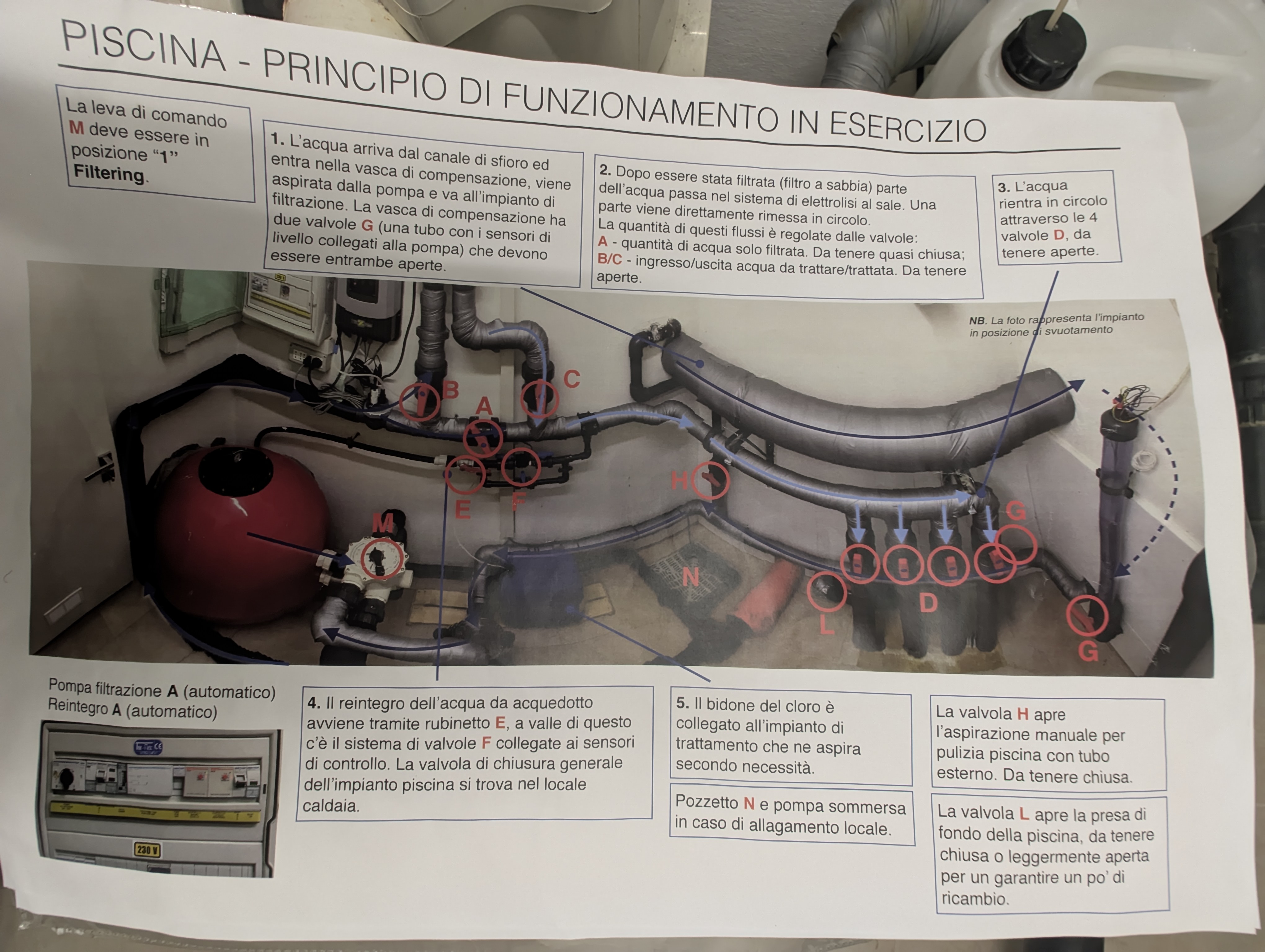
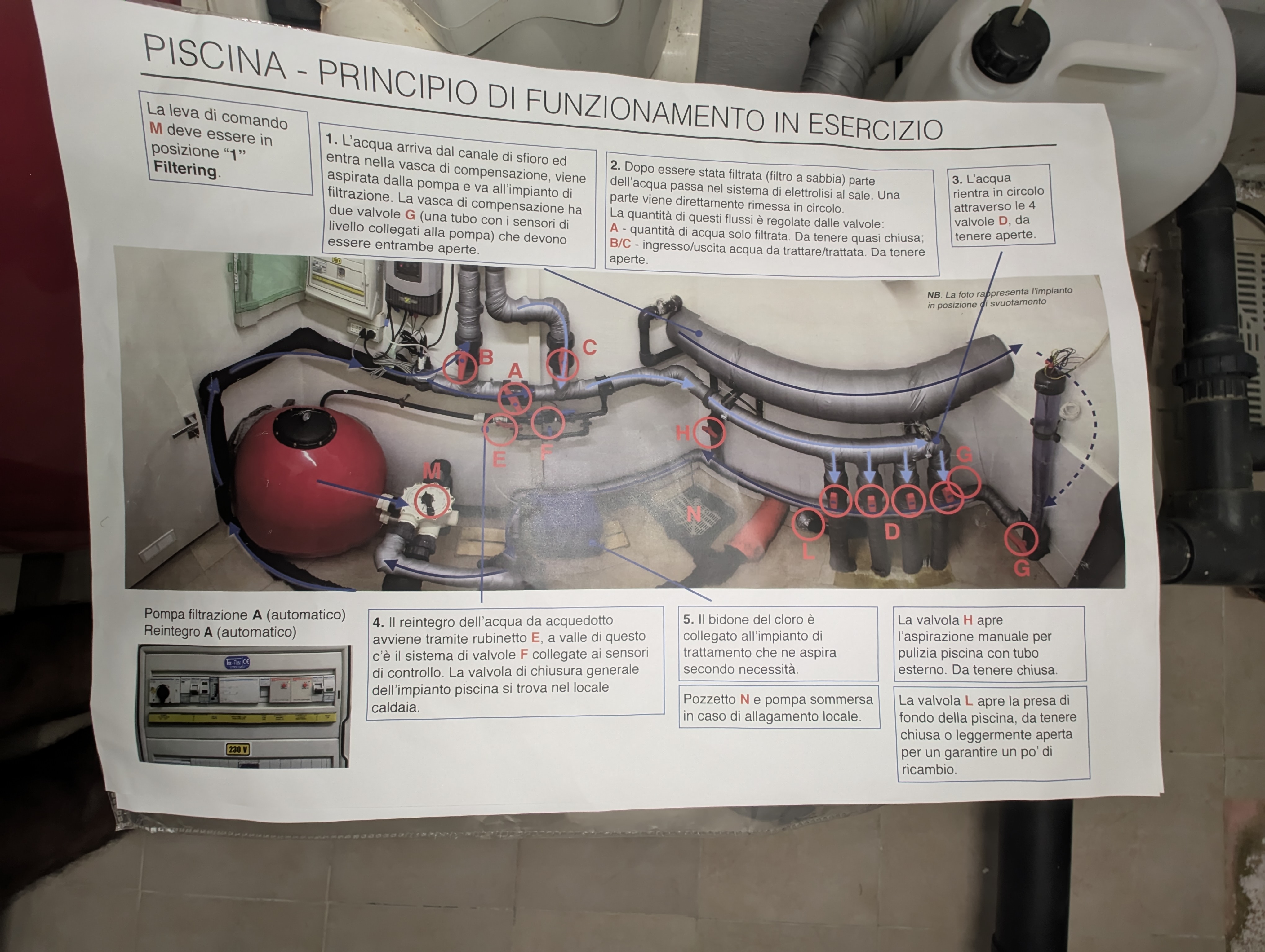
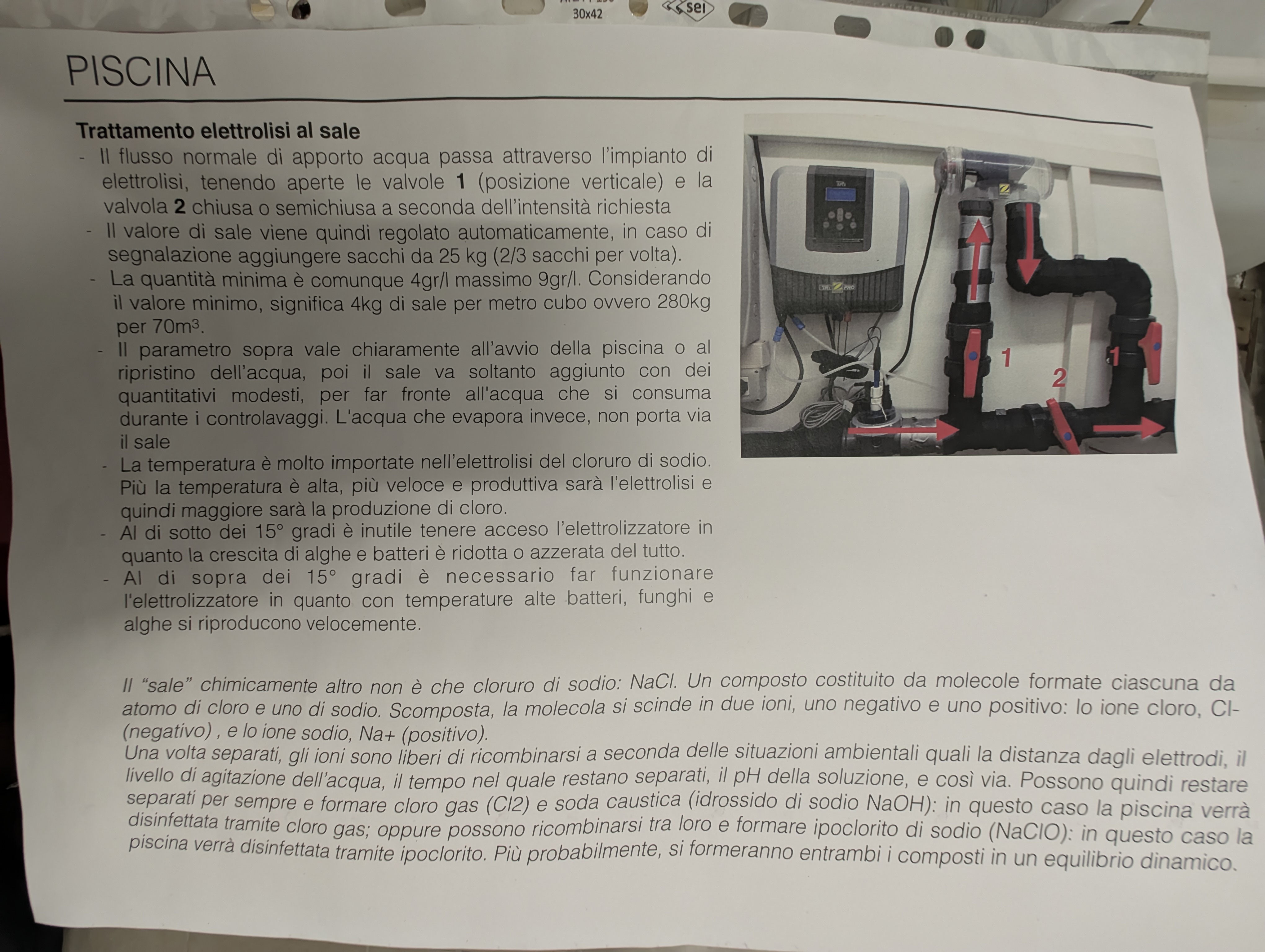
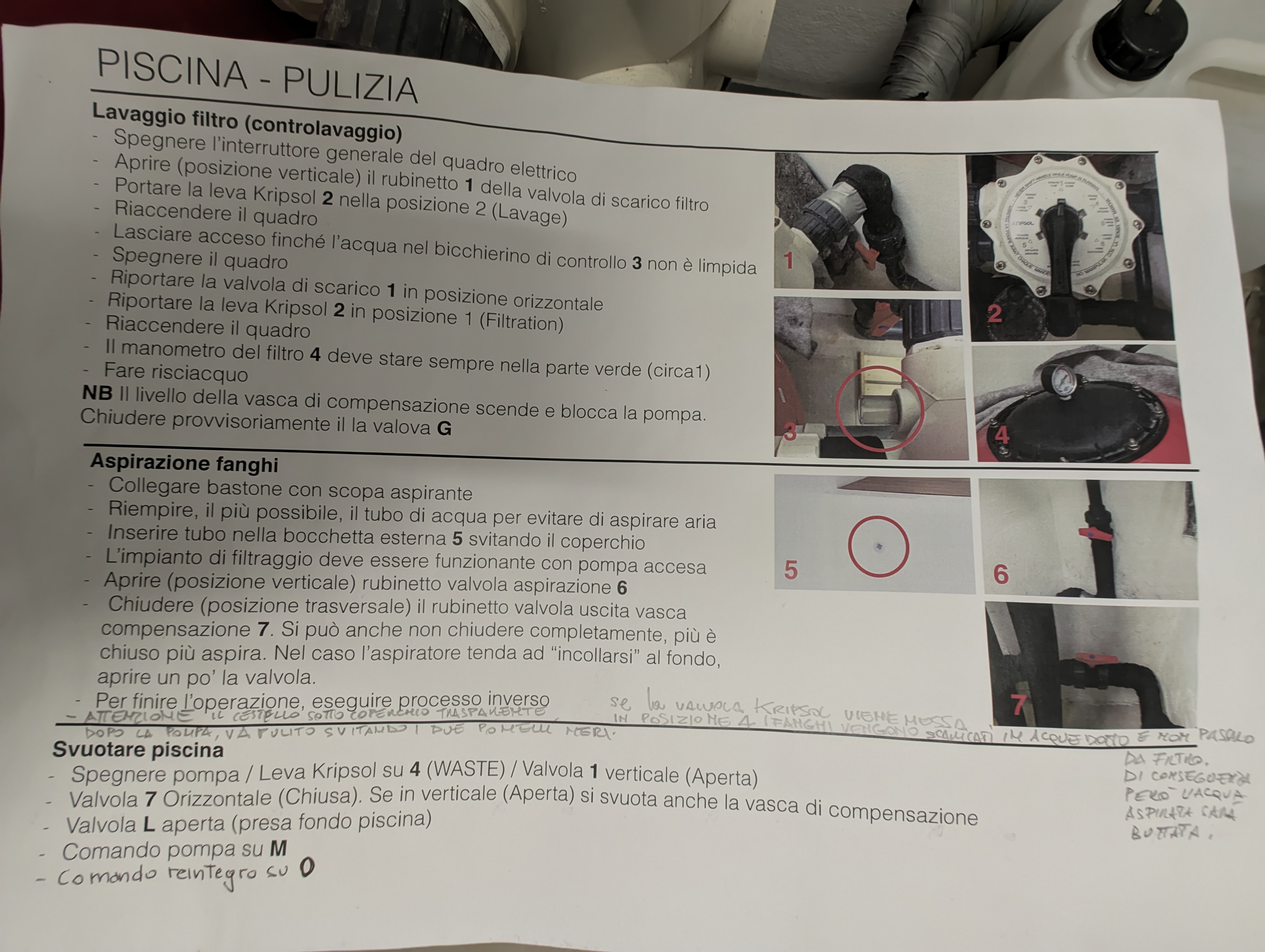
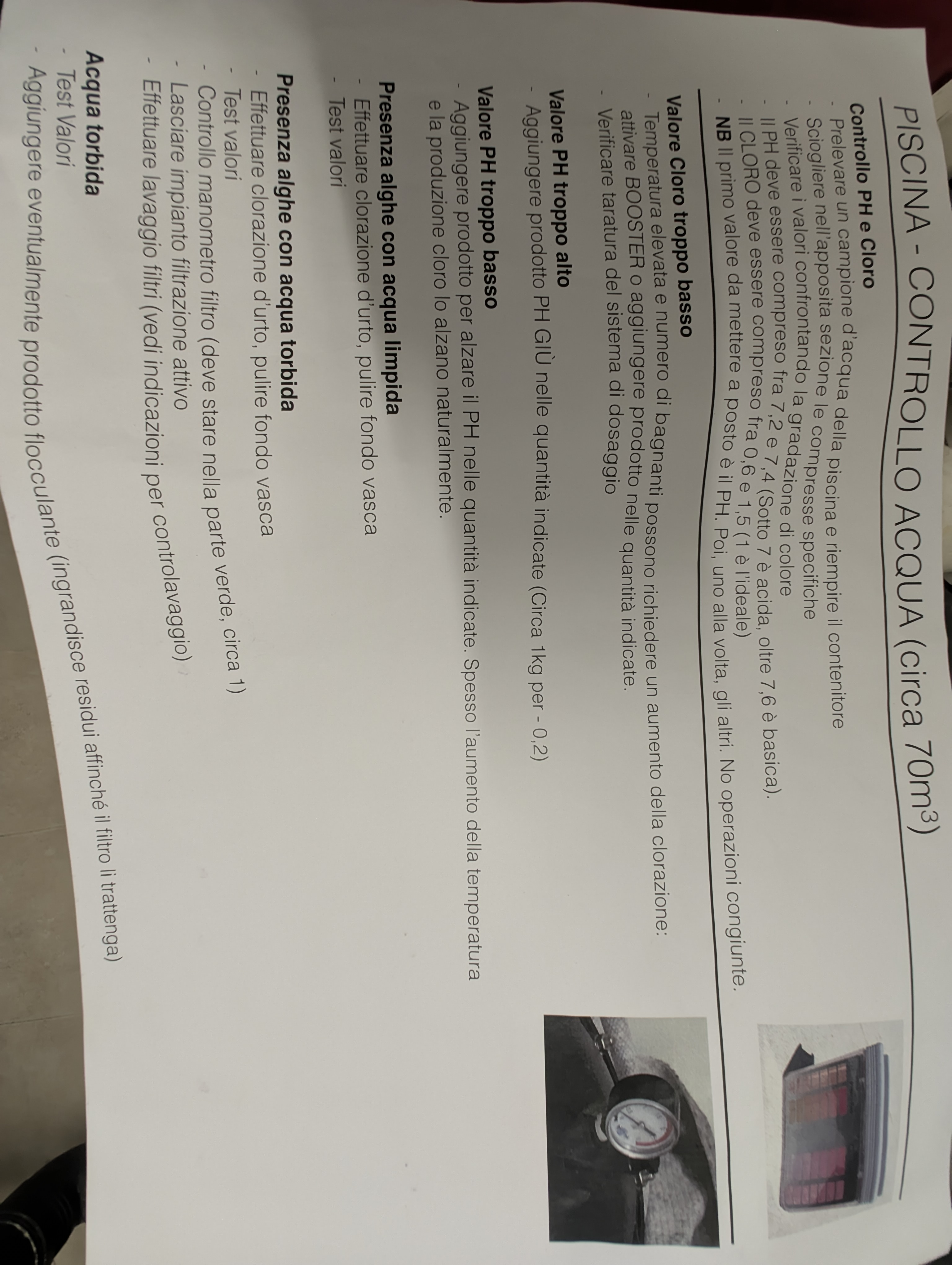
03_nameplates/ 5 photographs
The plates and labels every specification in this document rests on. If a figure is ever in doubt, it is settled here.
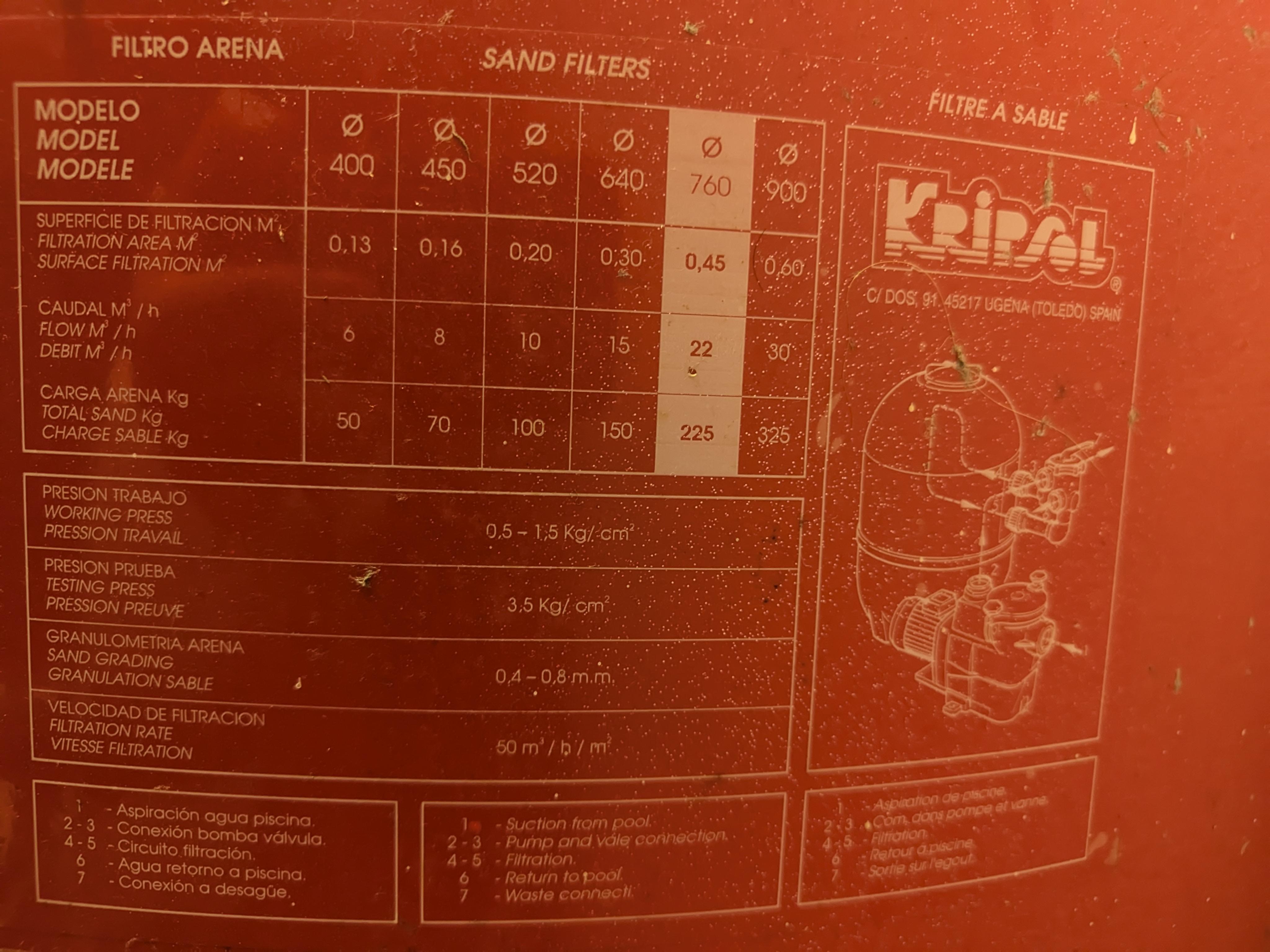
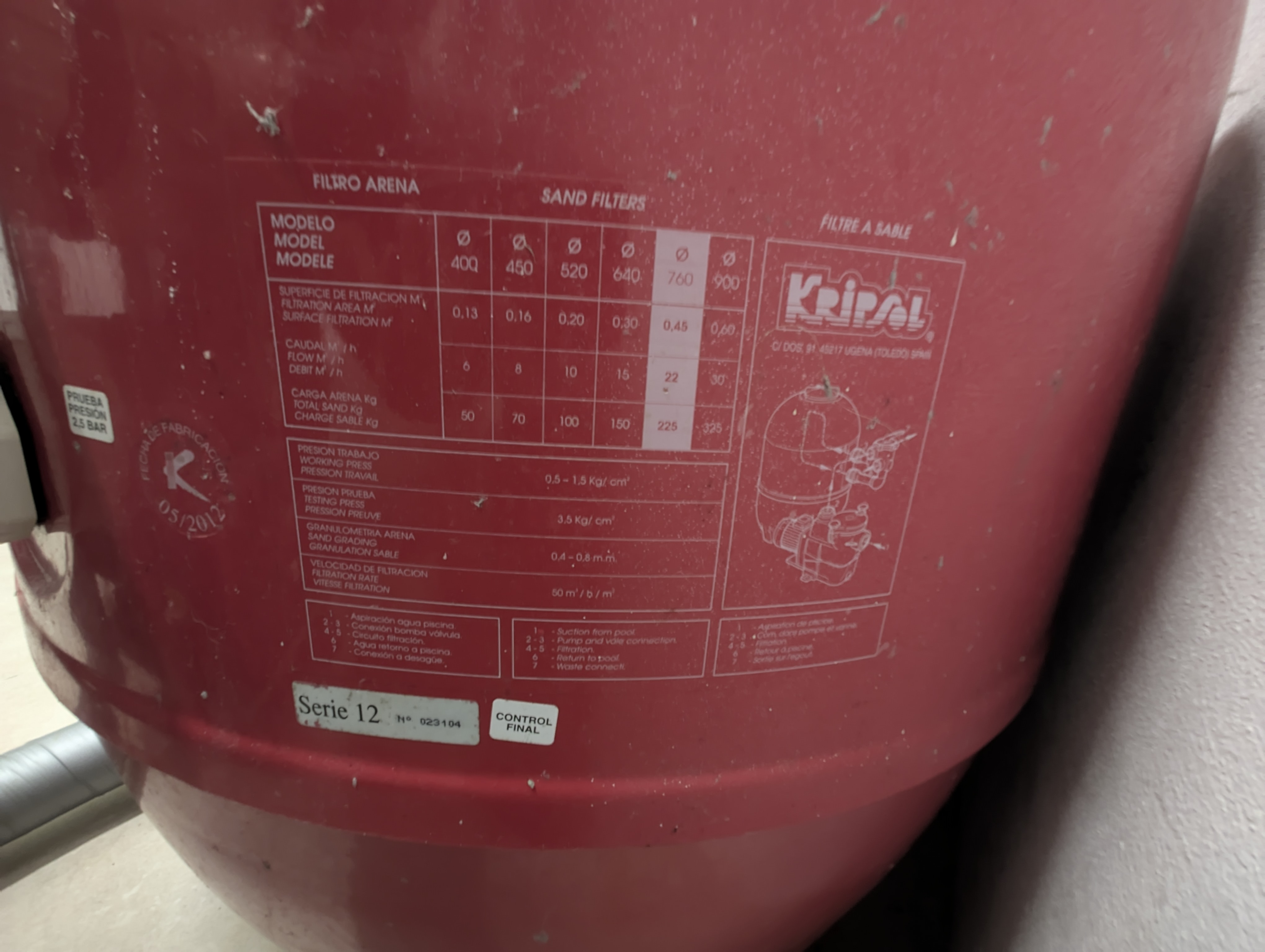
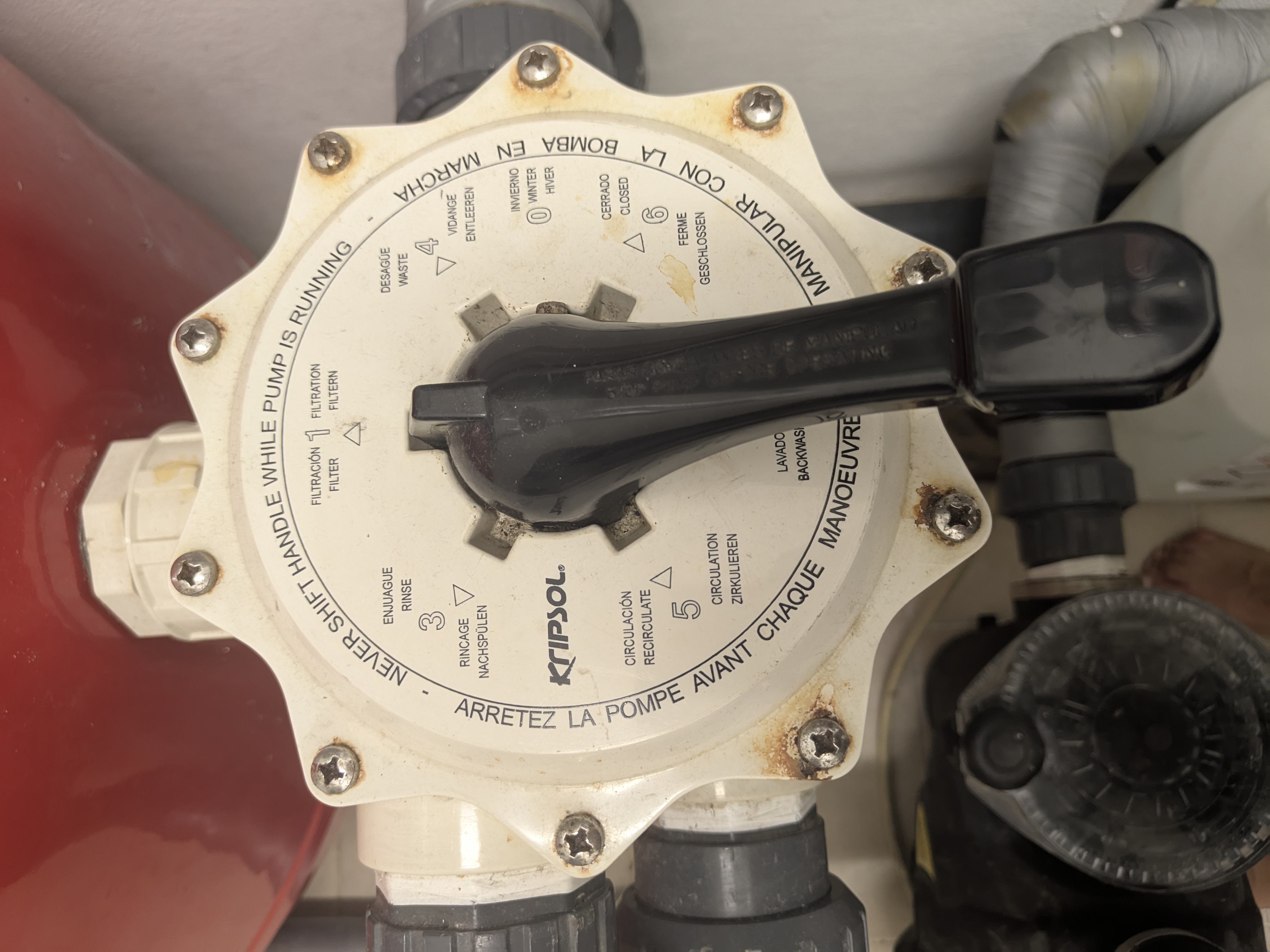
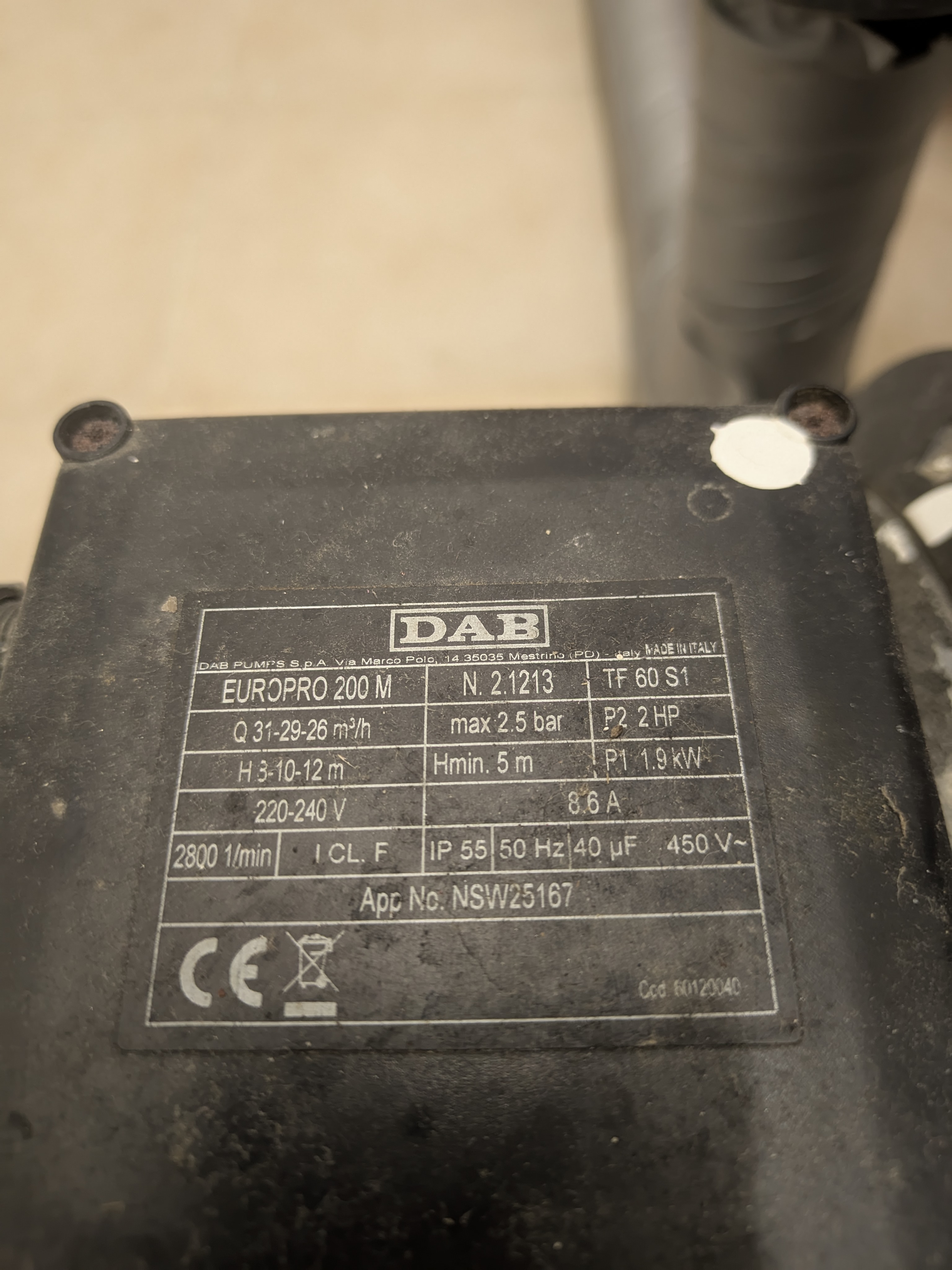
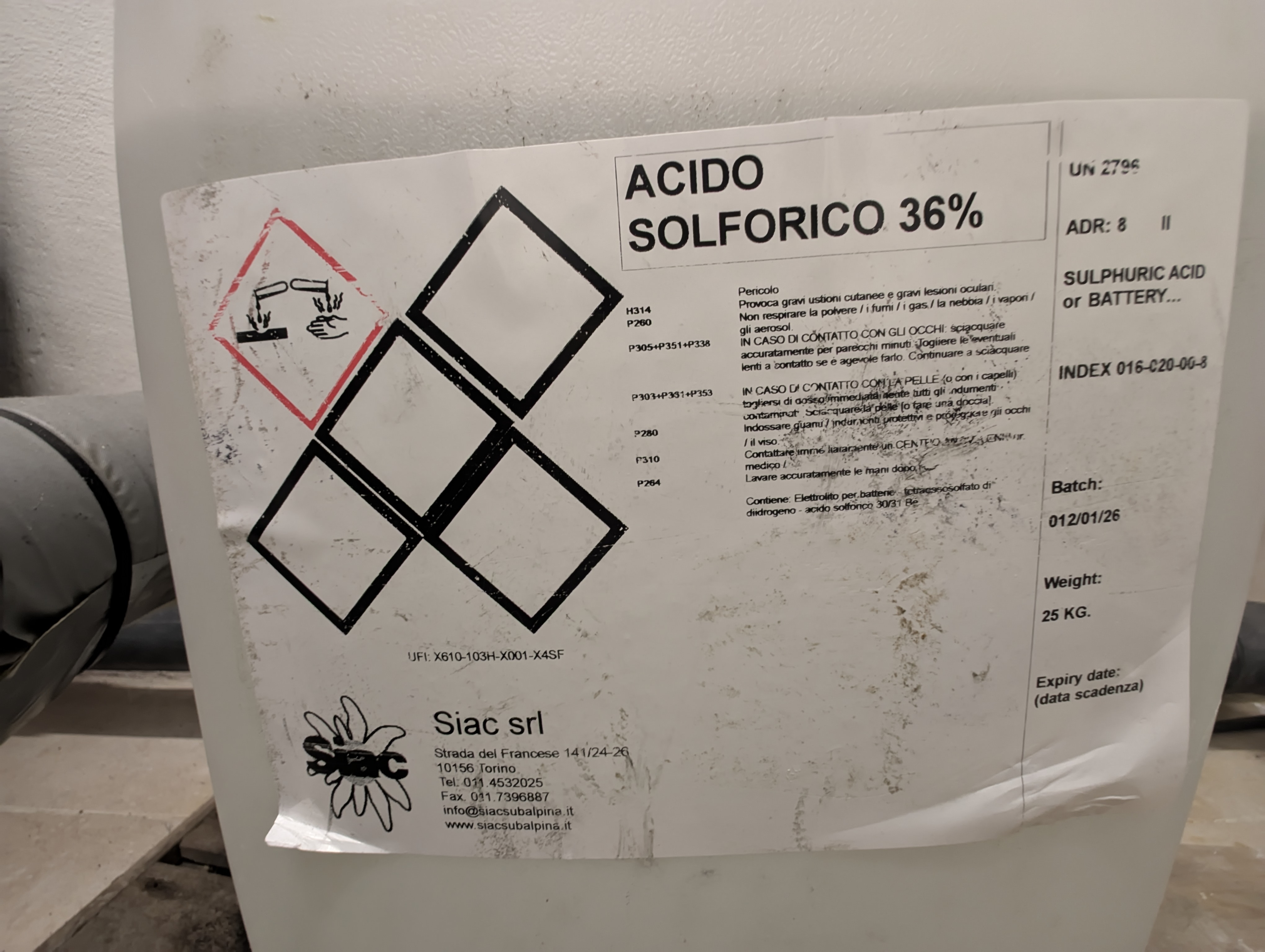
04_plant-room/ 36 photographs
The evidence, in the order it was taken. Later numbers are generally better lit and closer in; where two show the same thing, prefer the higher one.
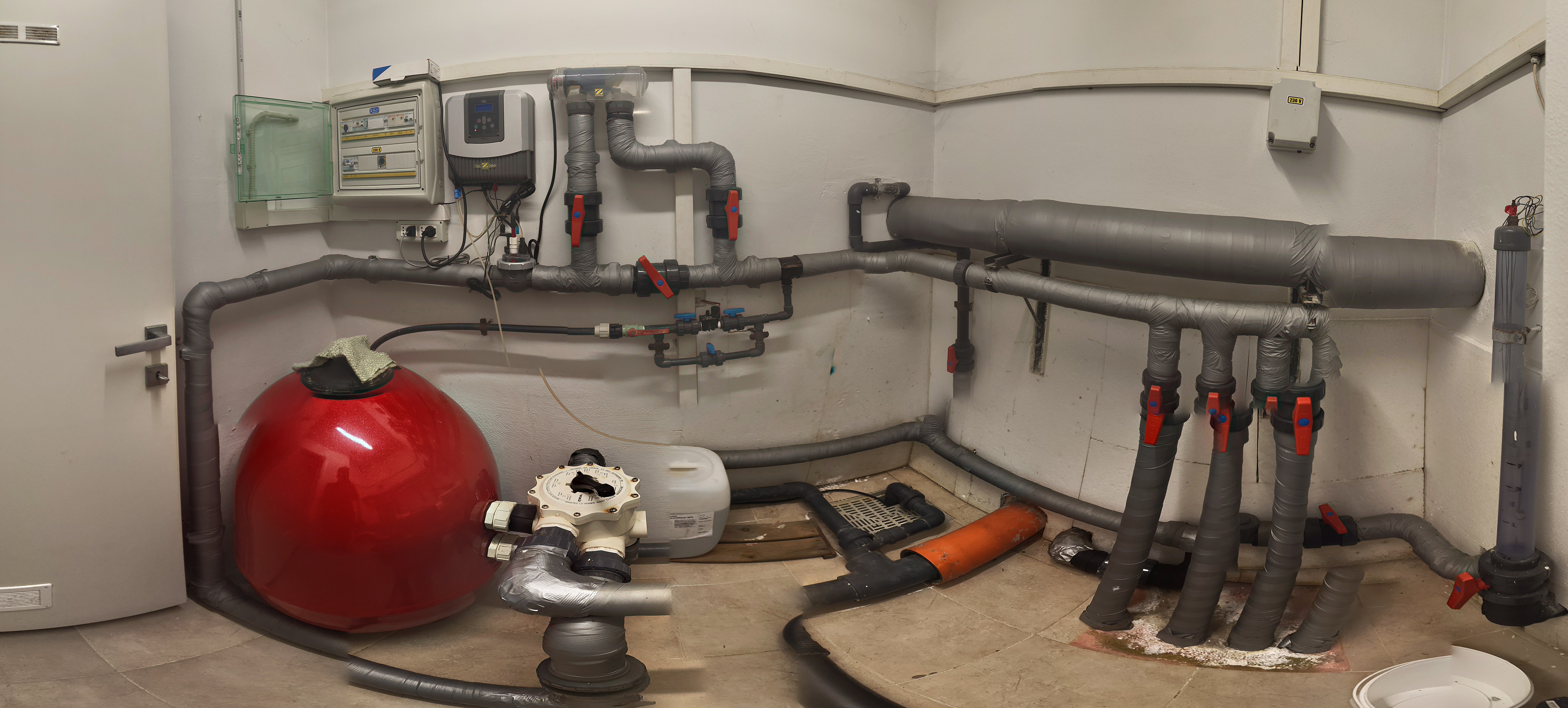
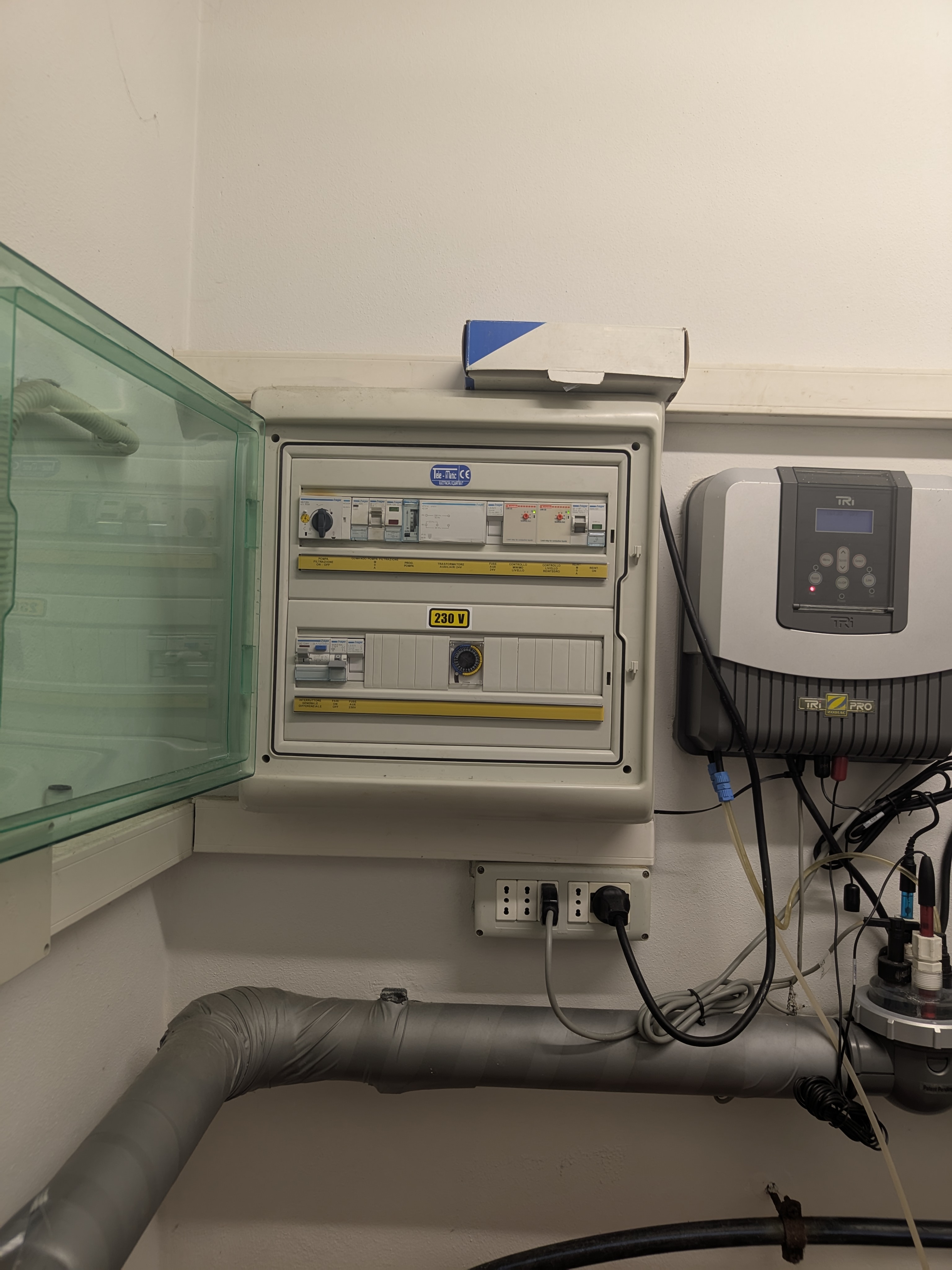
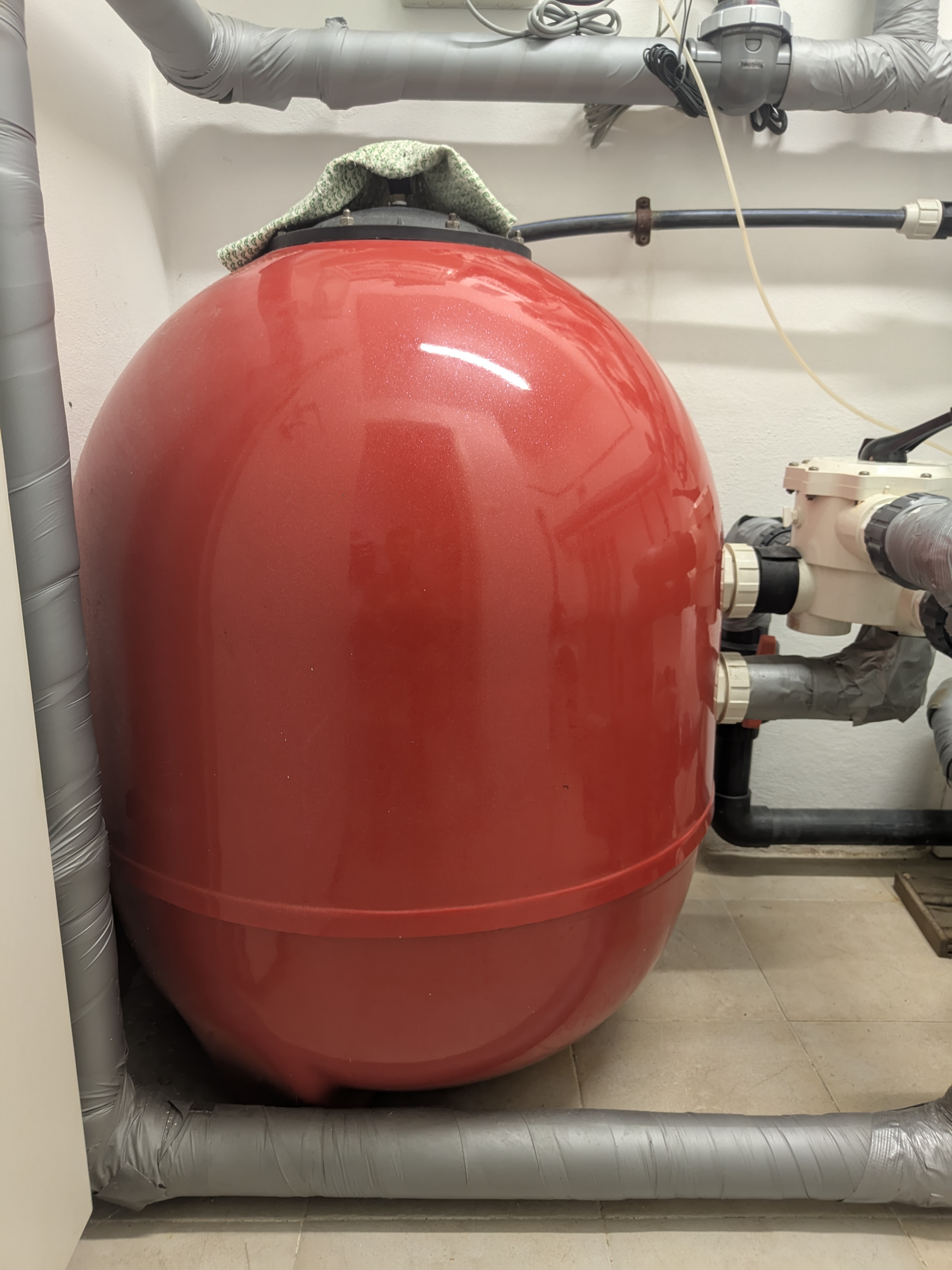
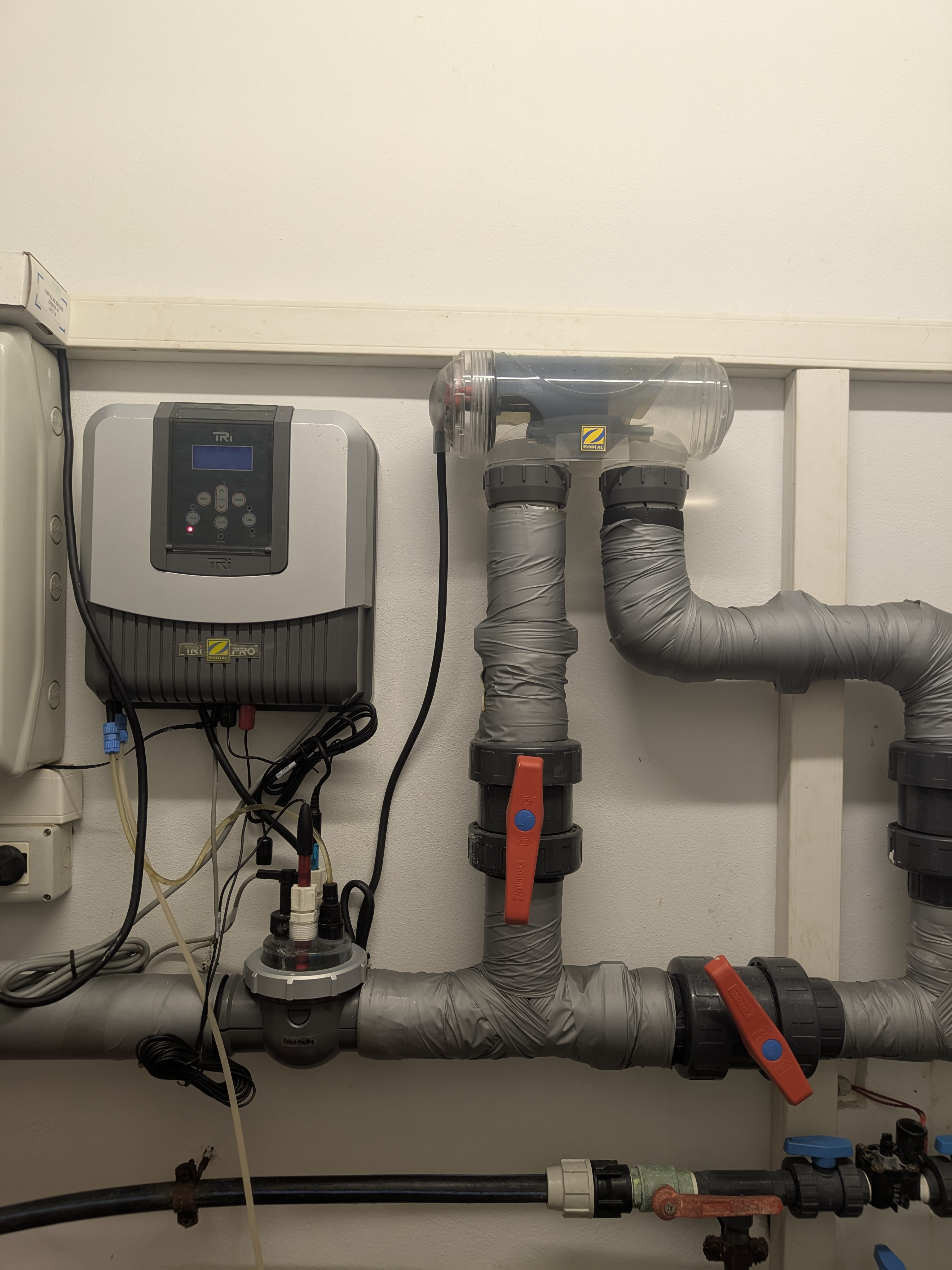


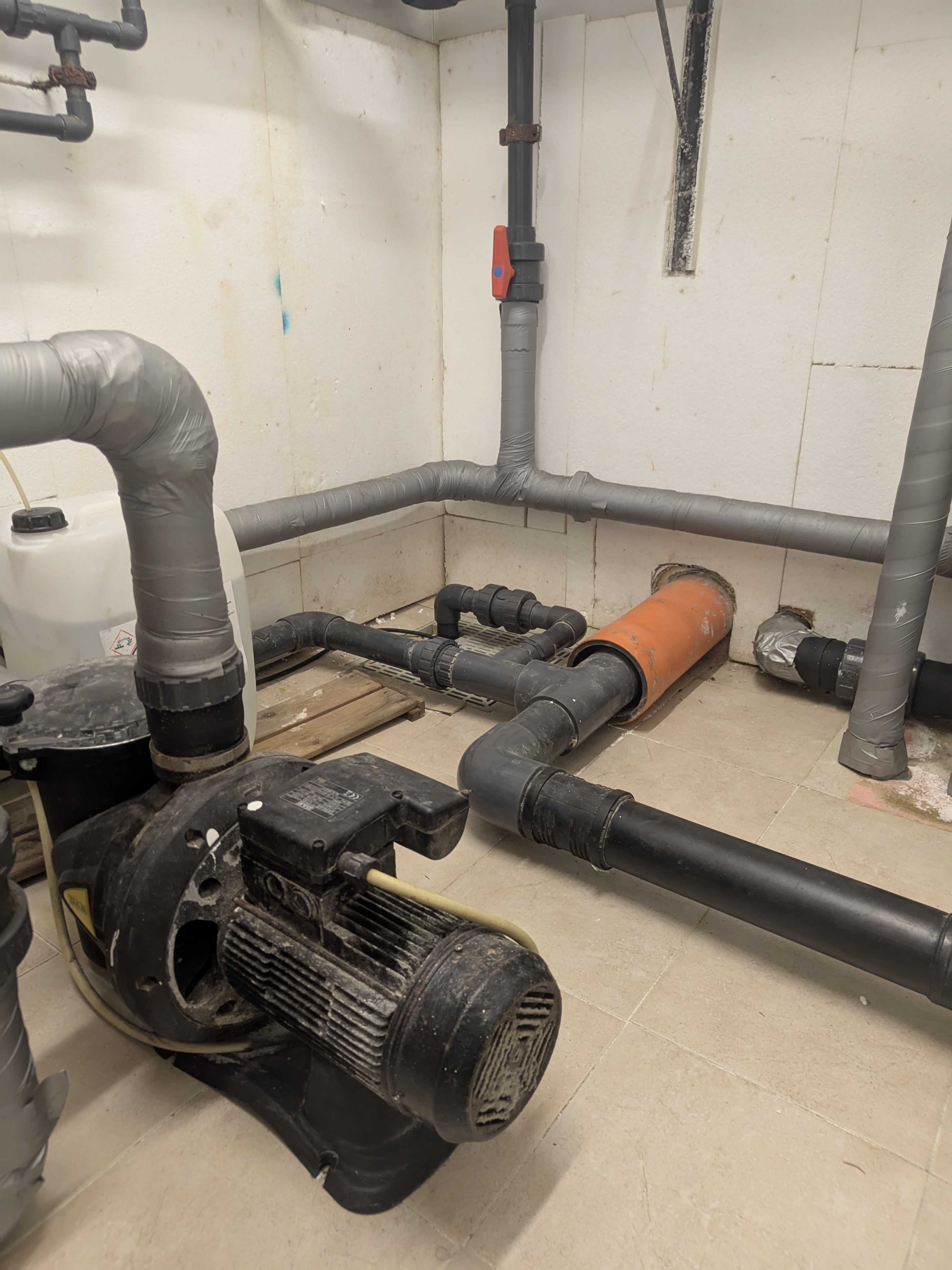
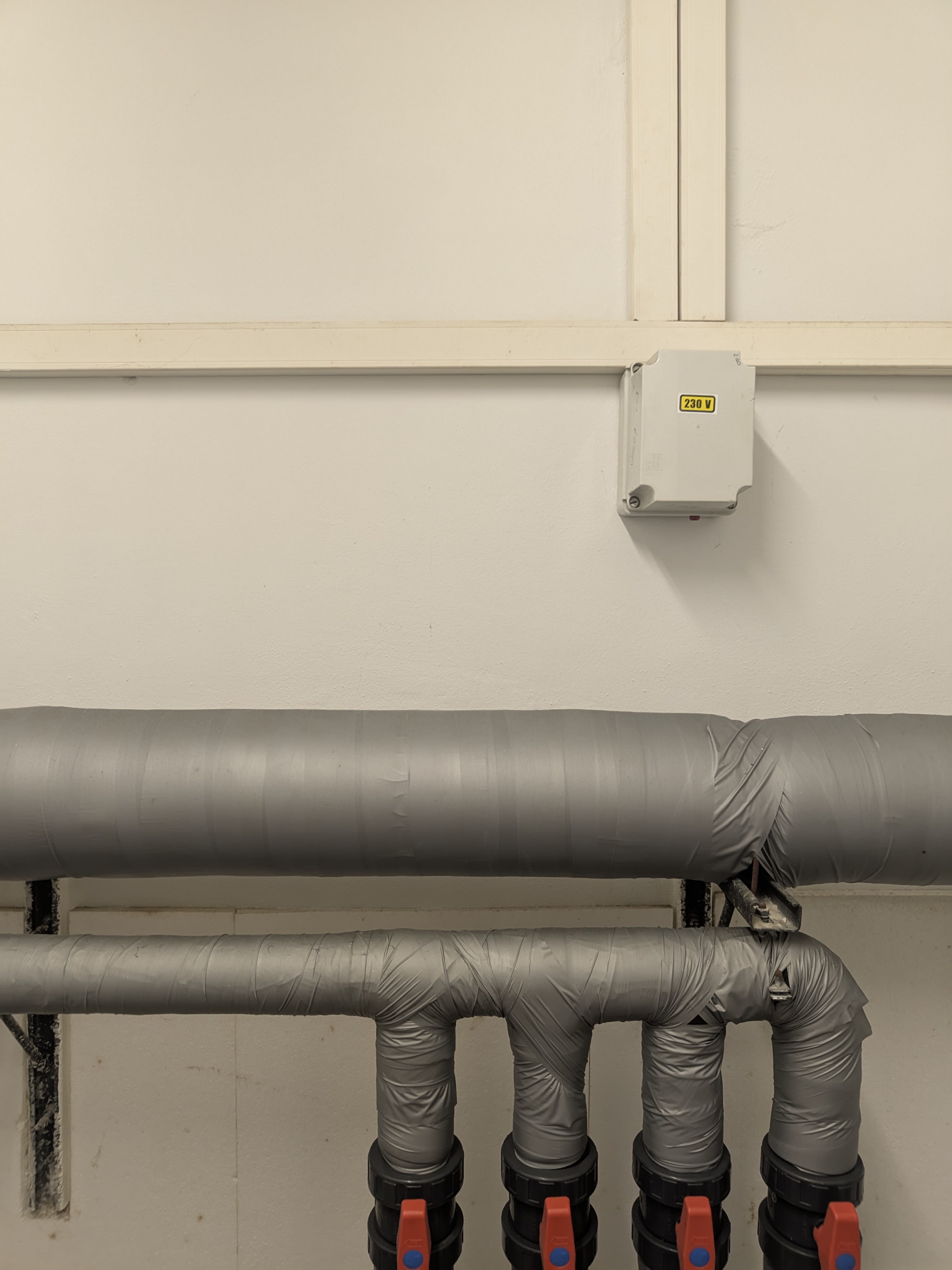
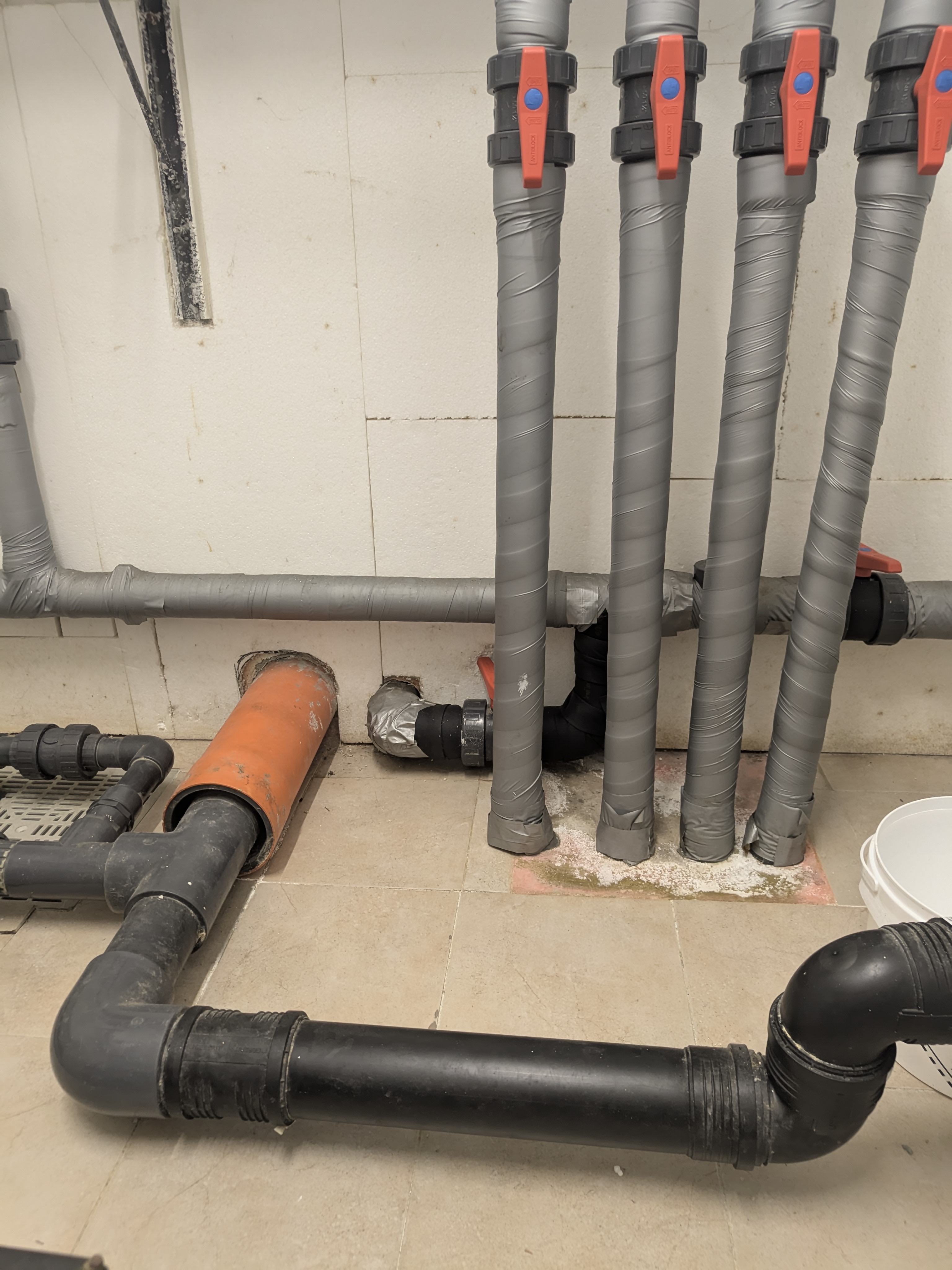
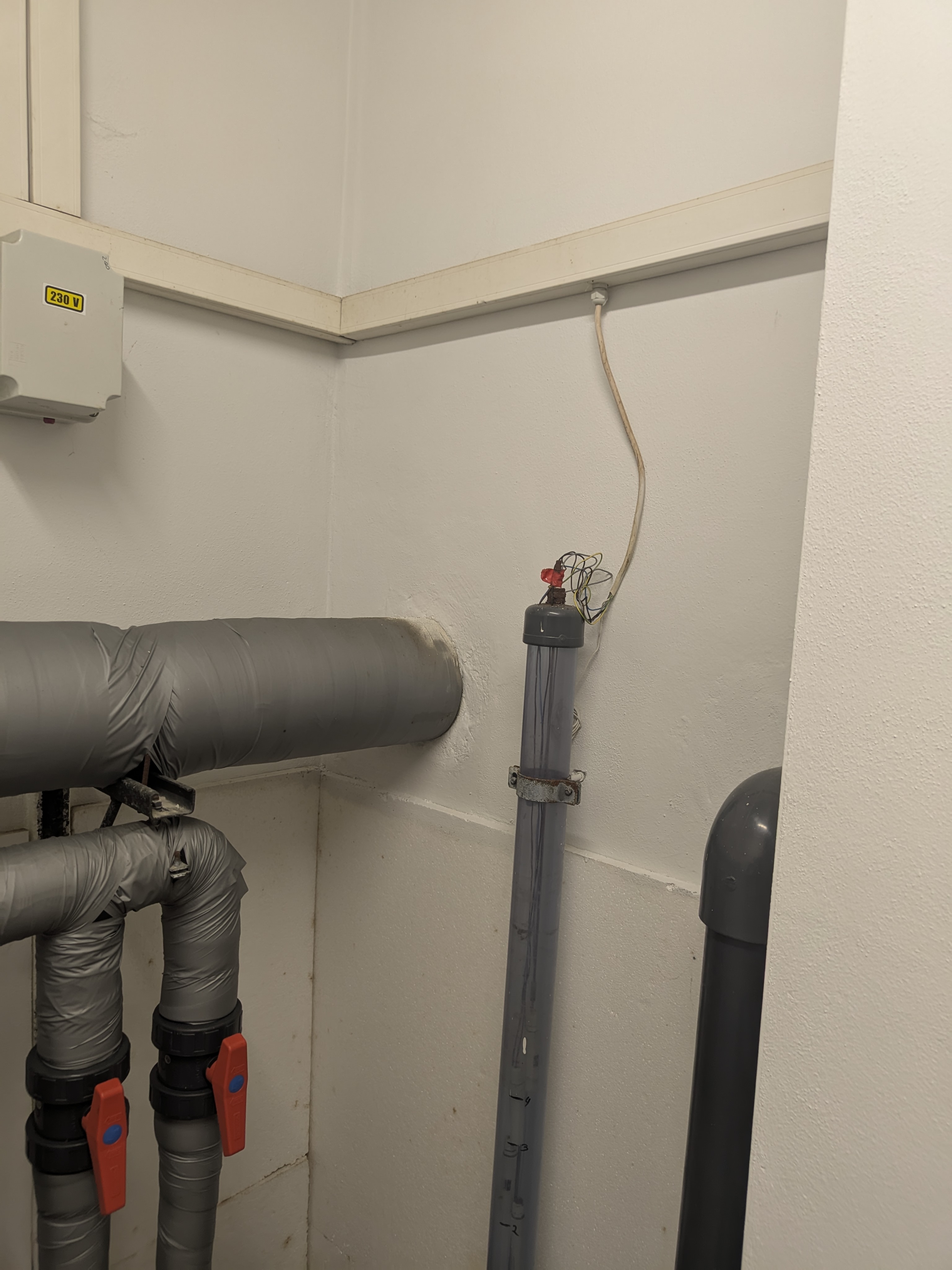
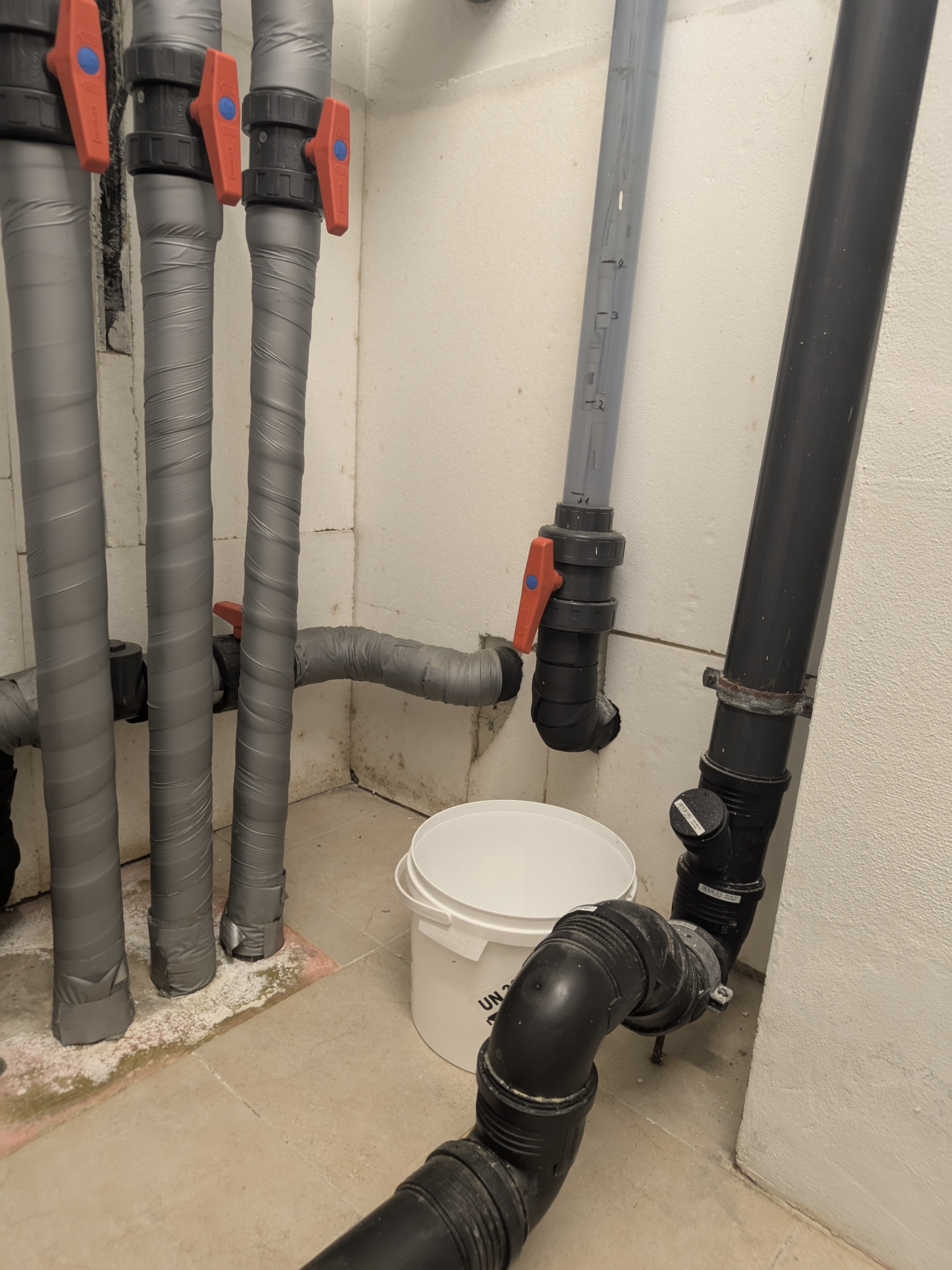


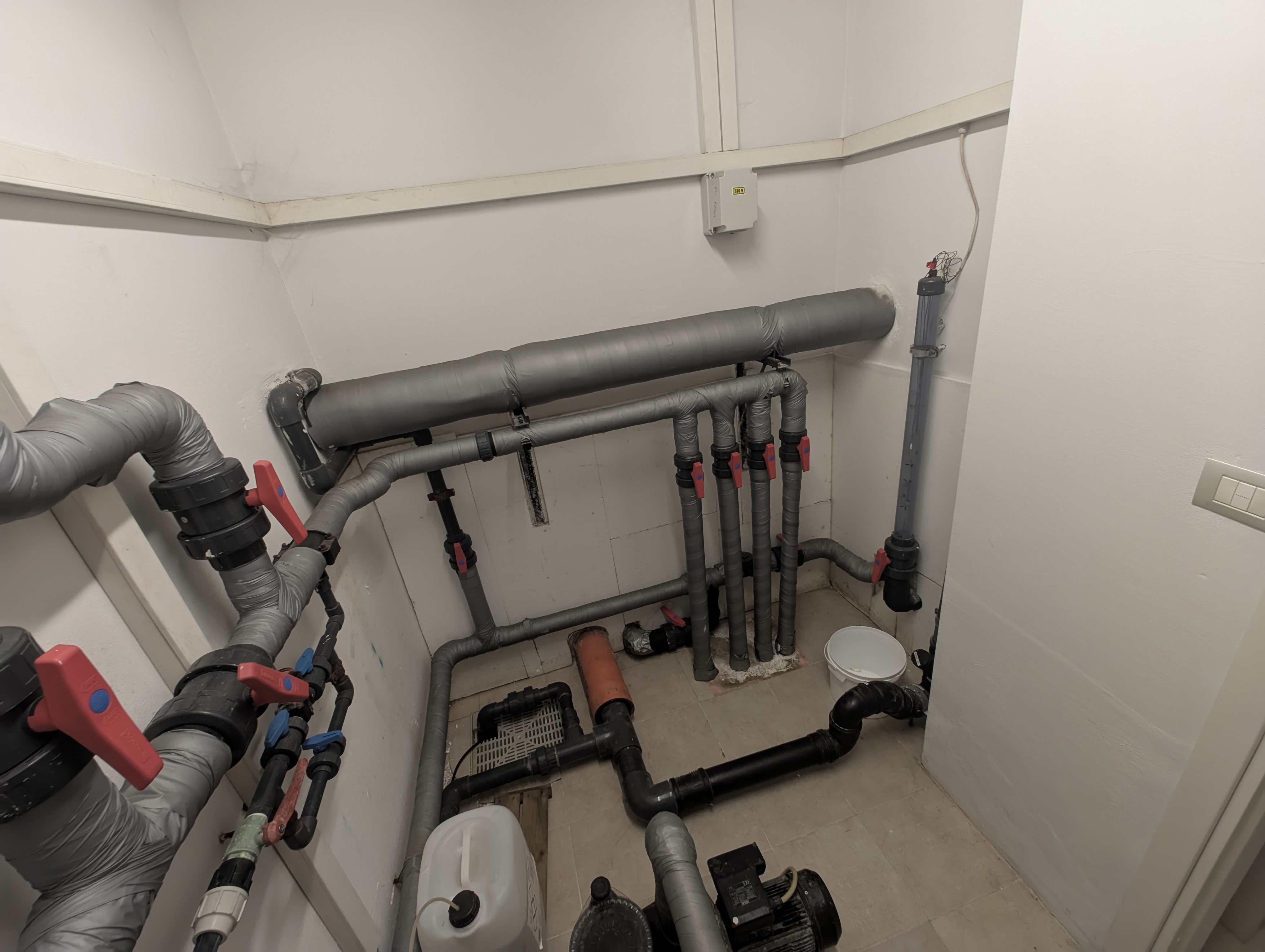
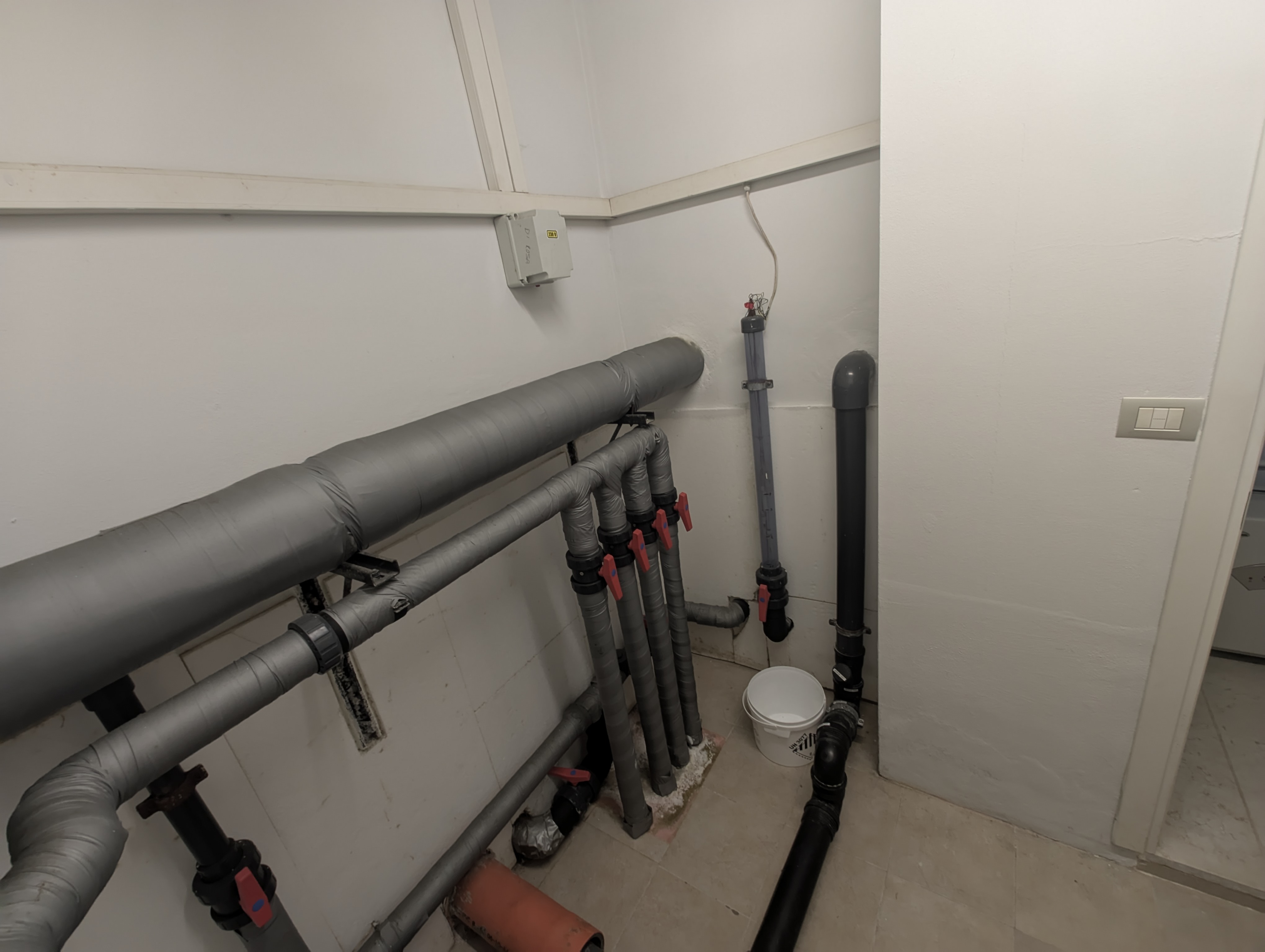

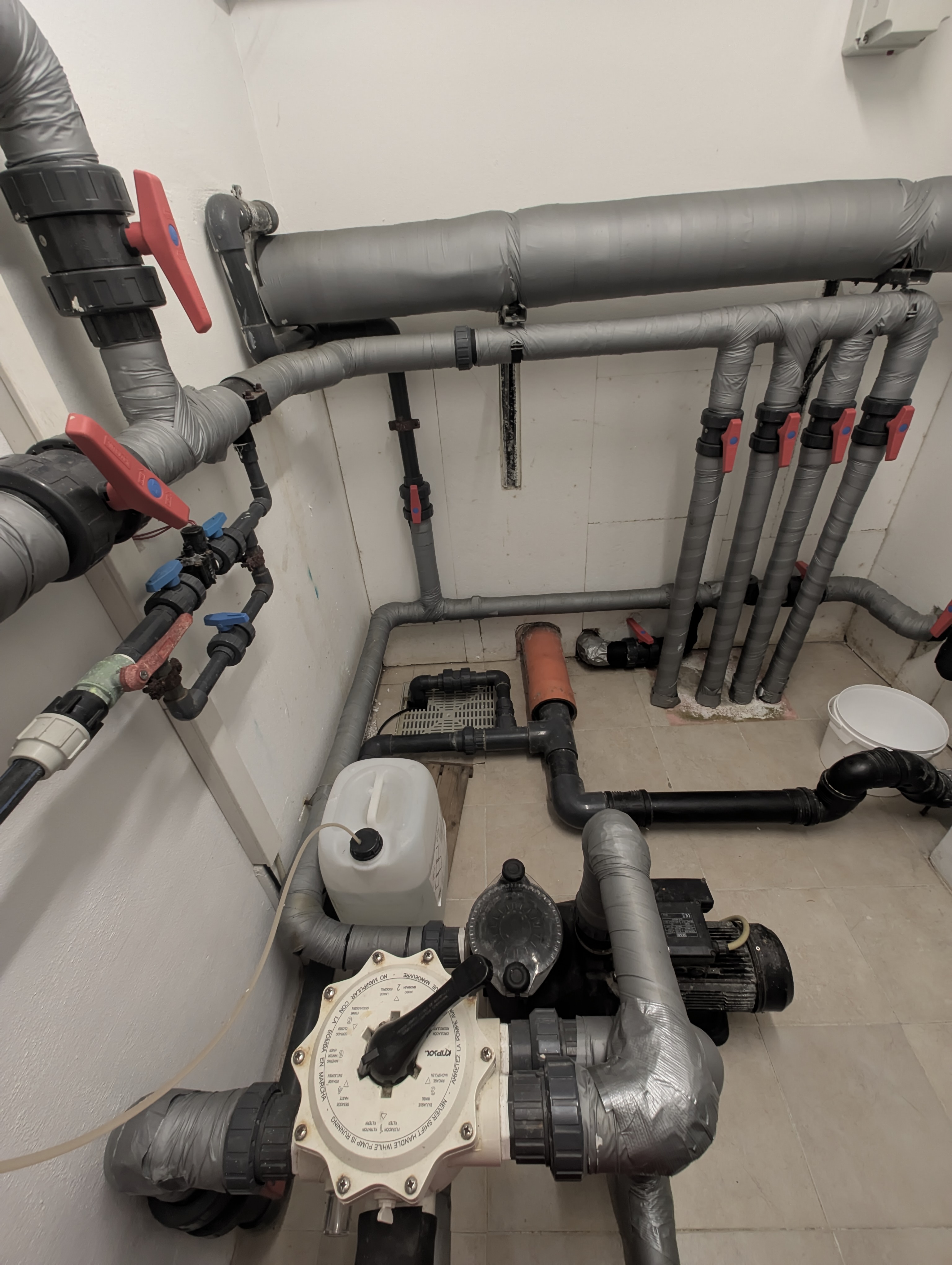
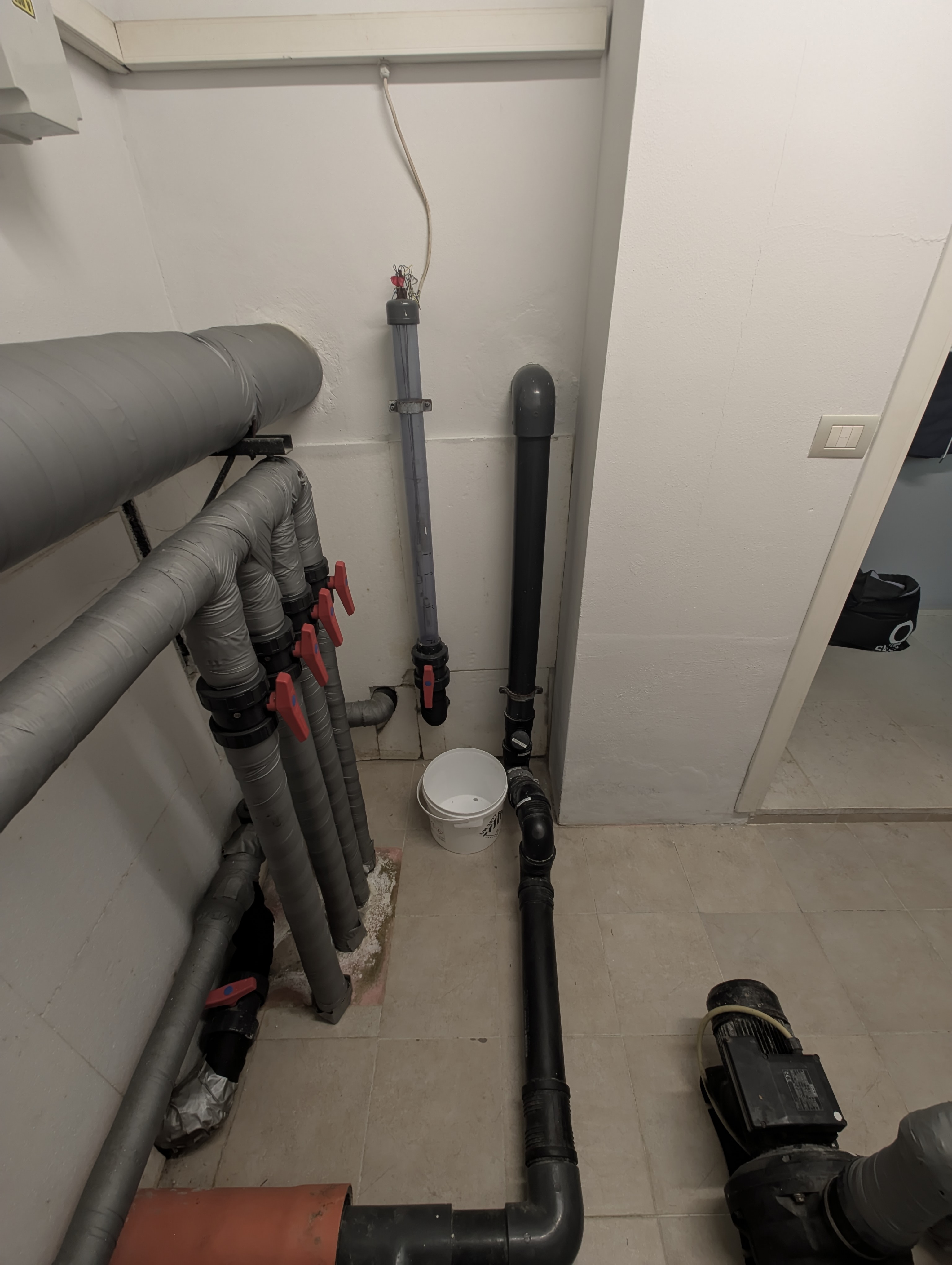
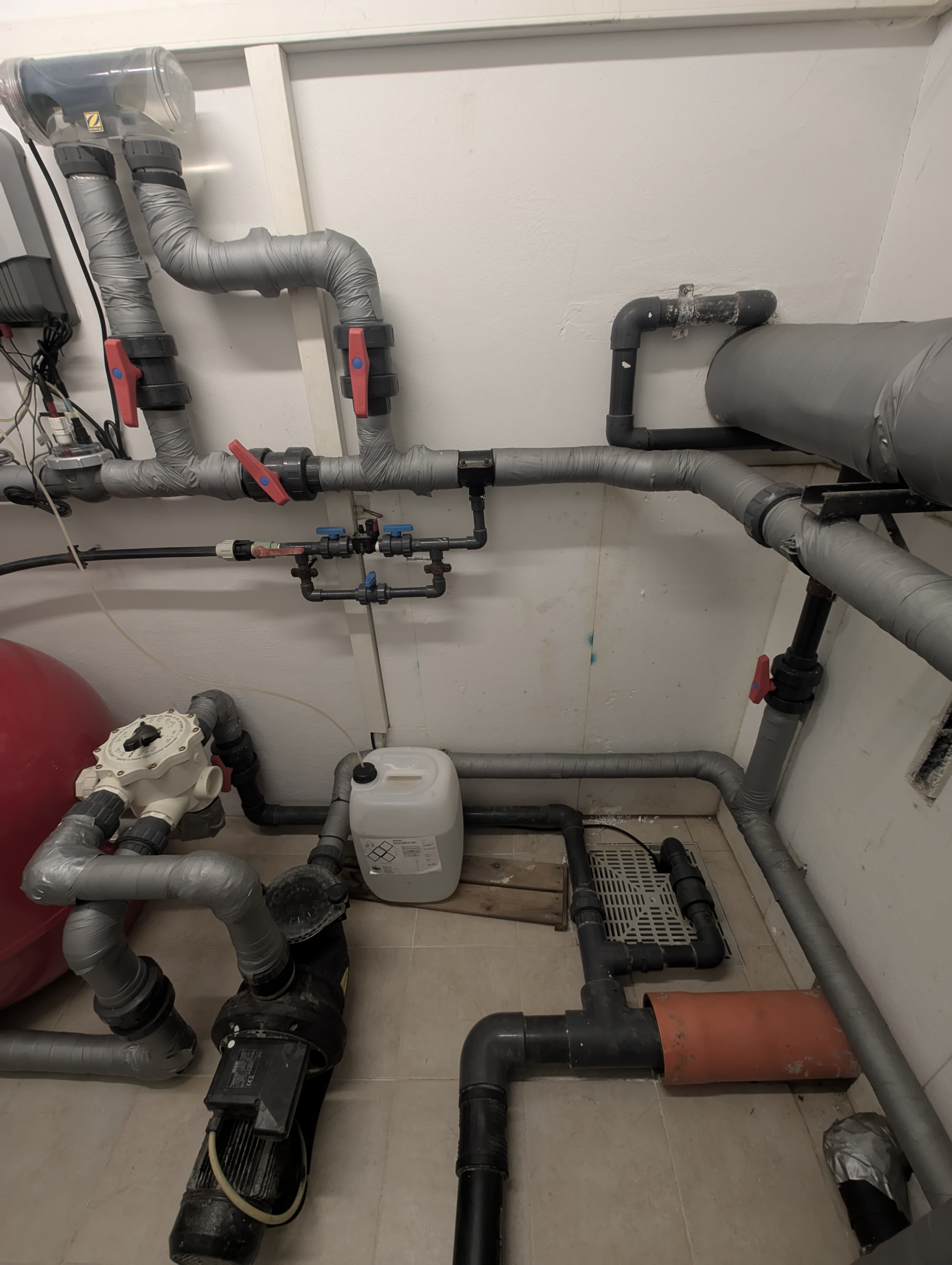
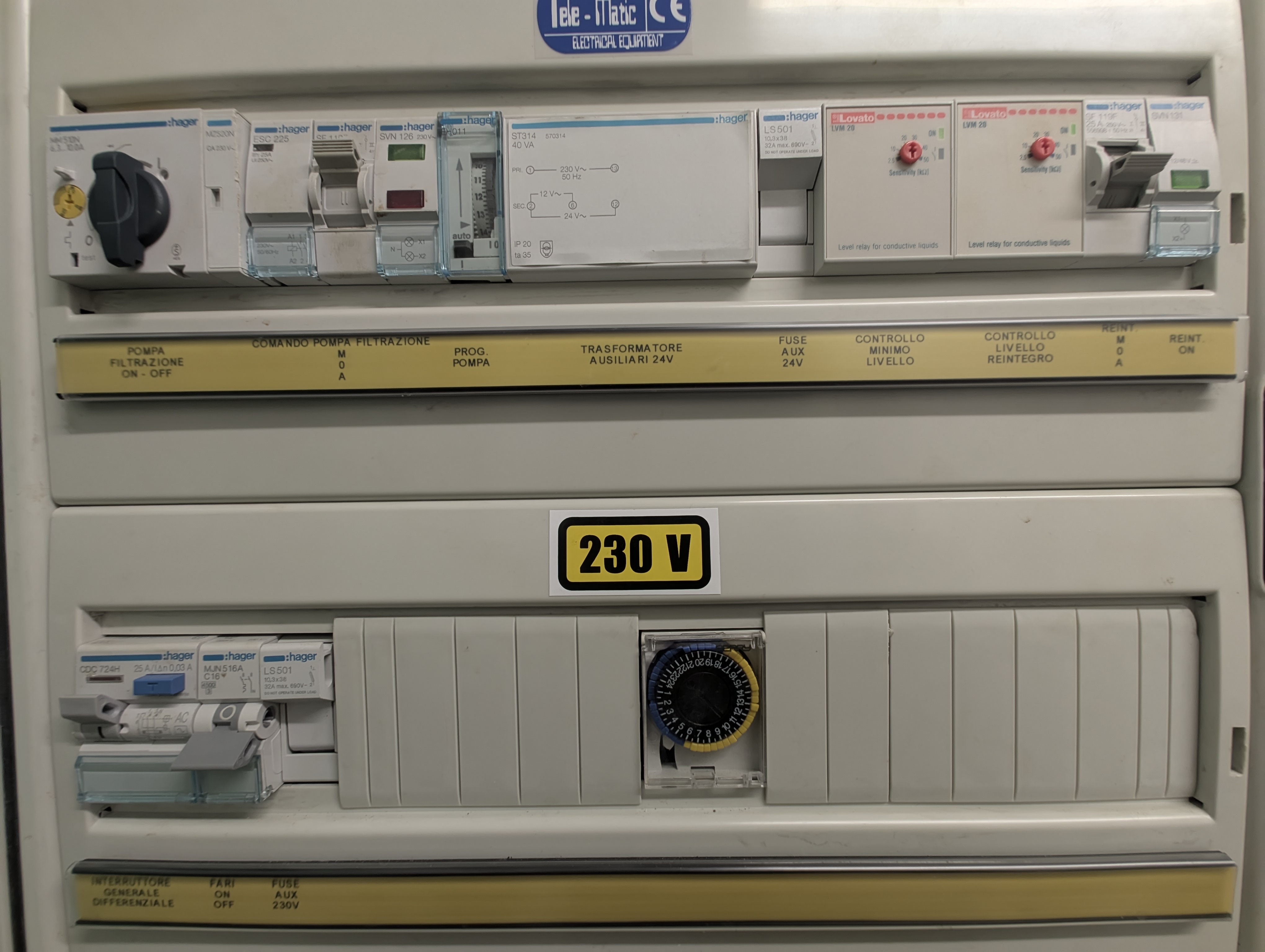
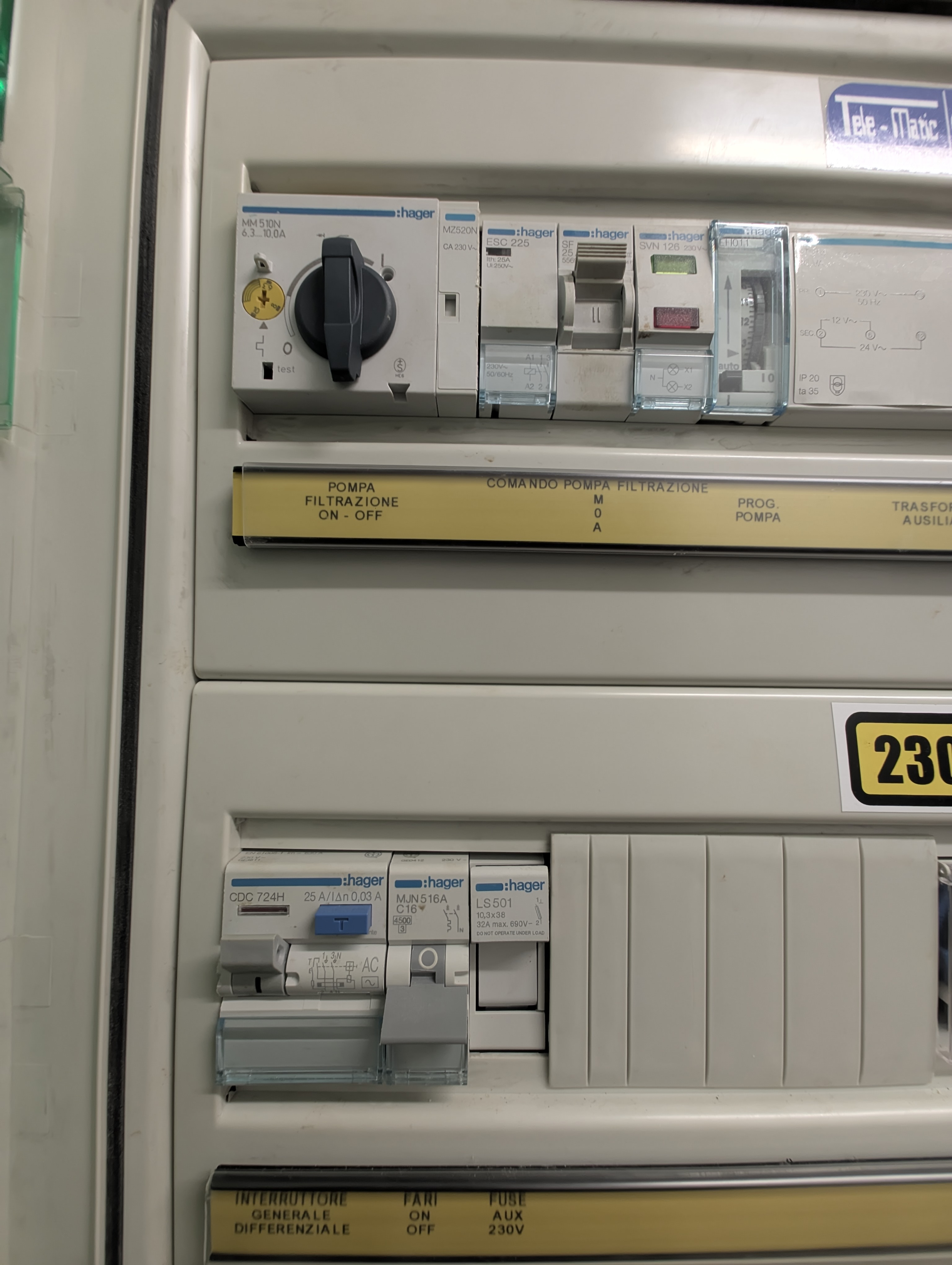
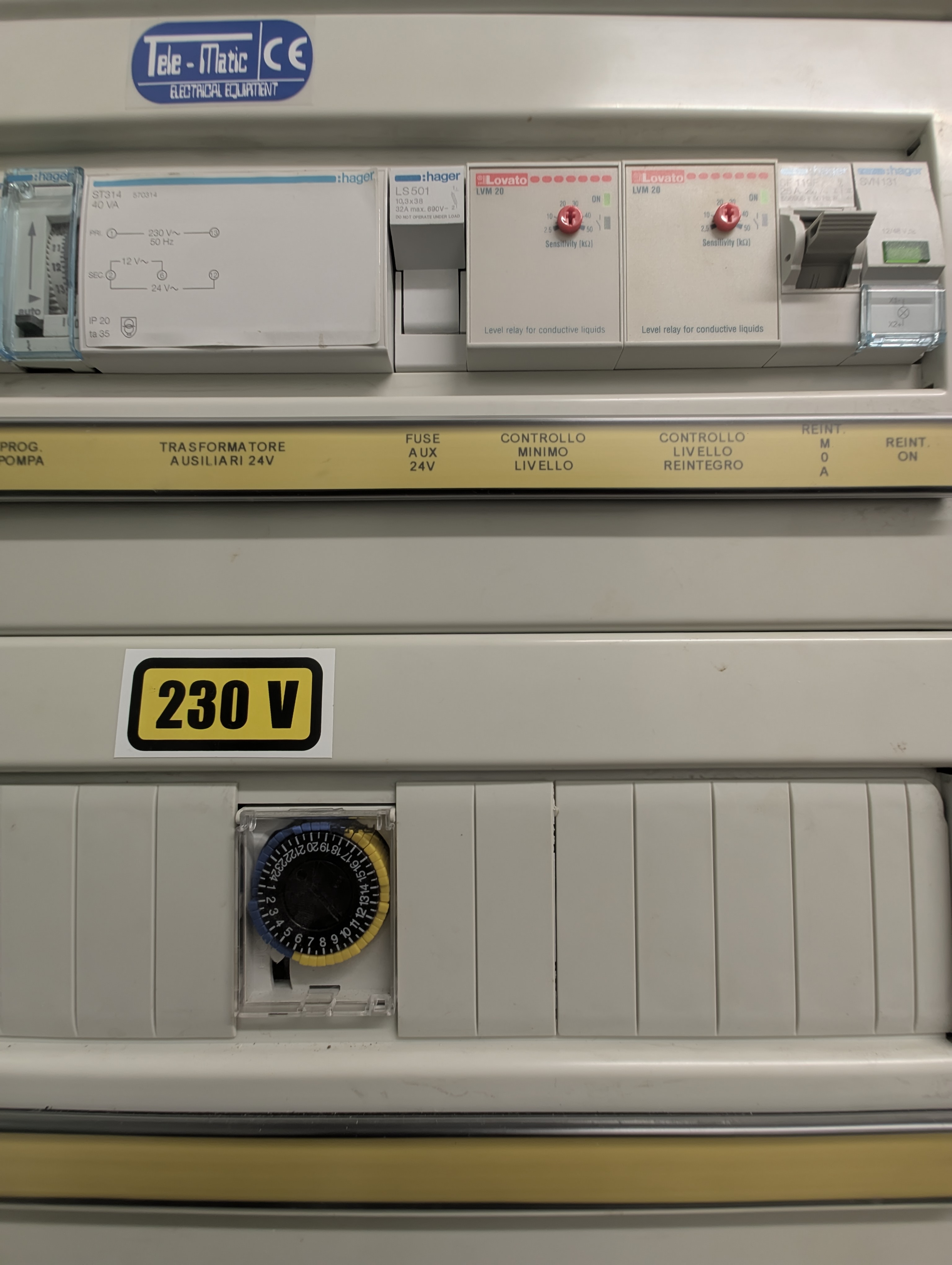
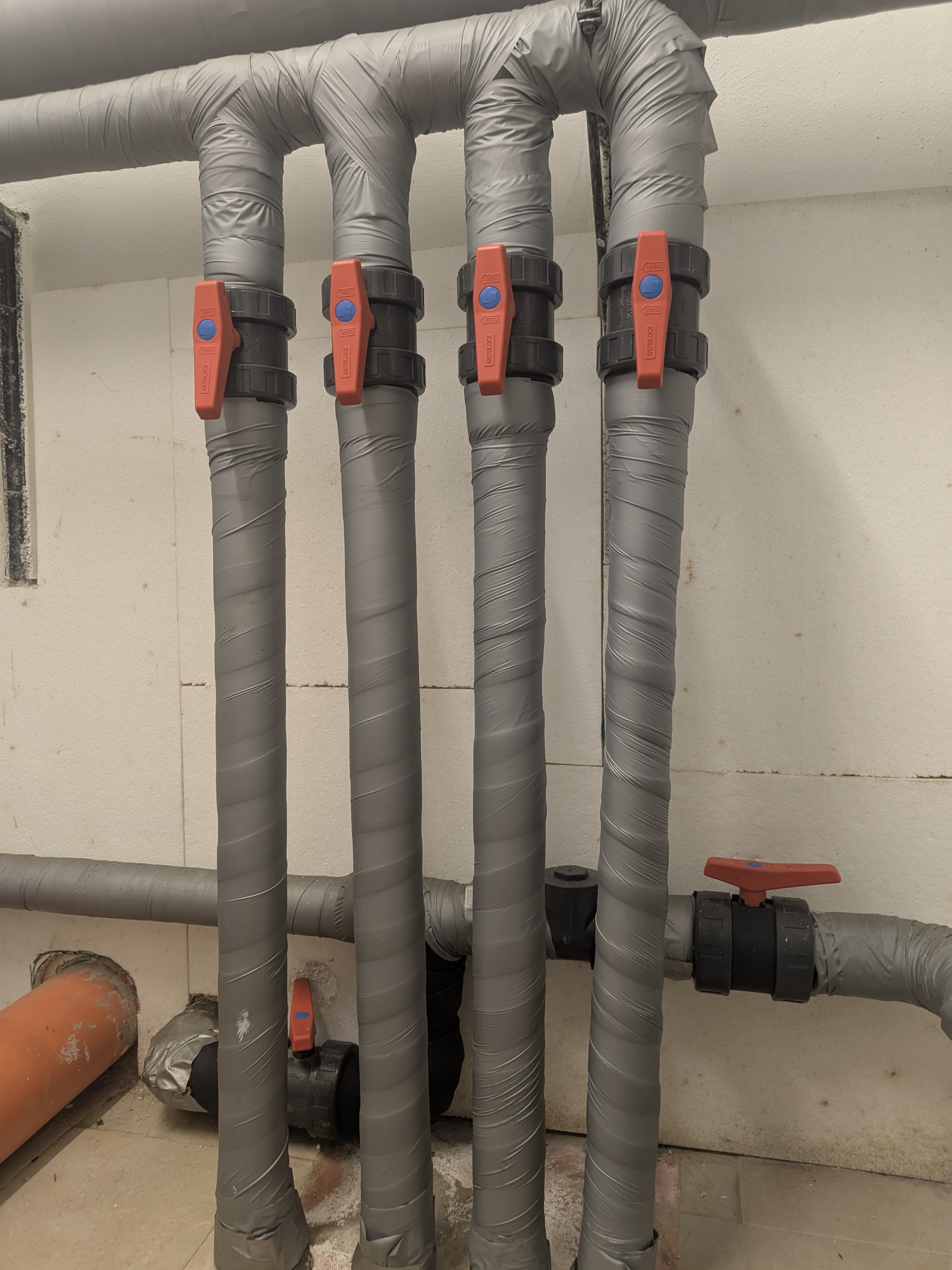
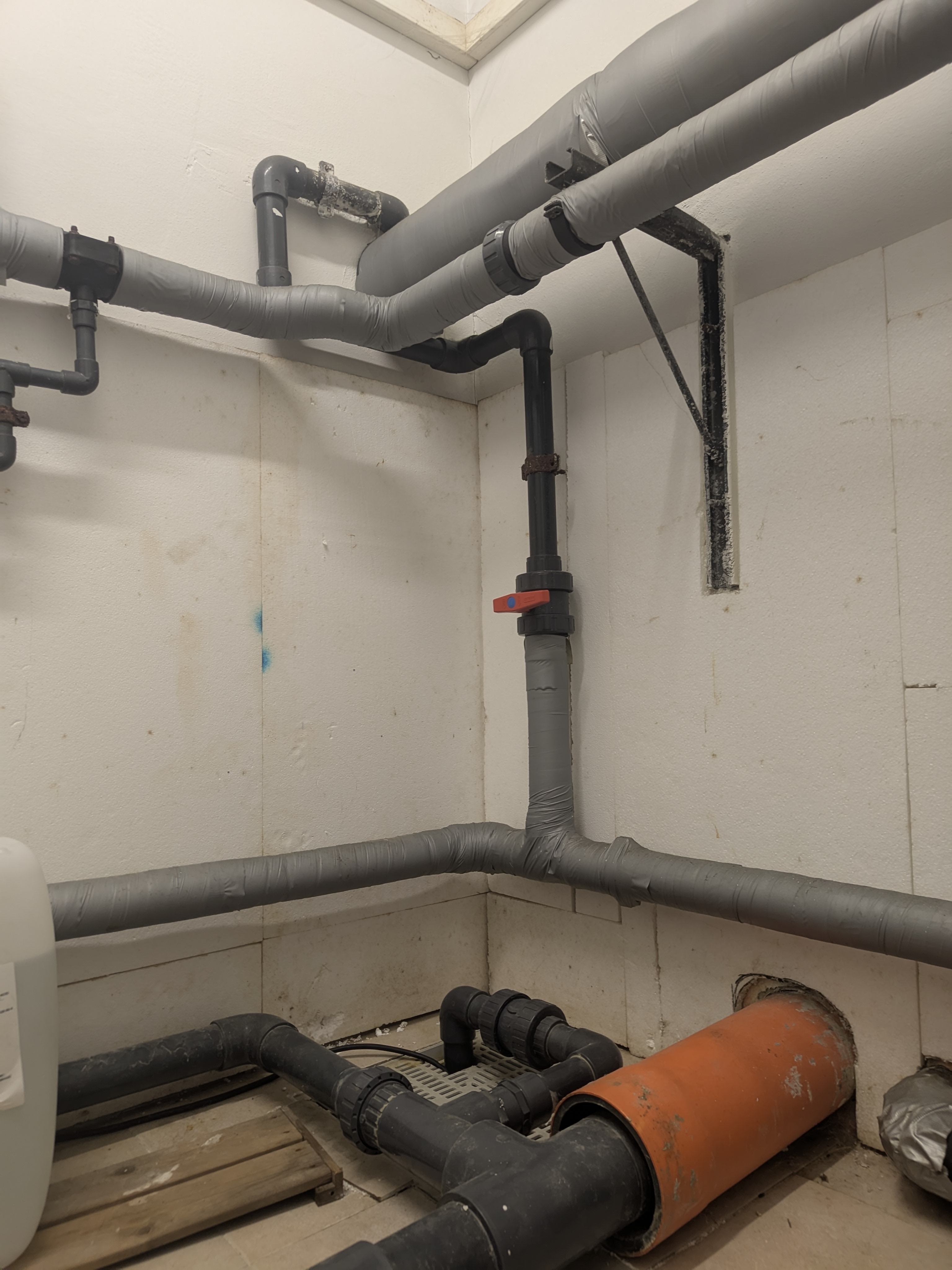

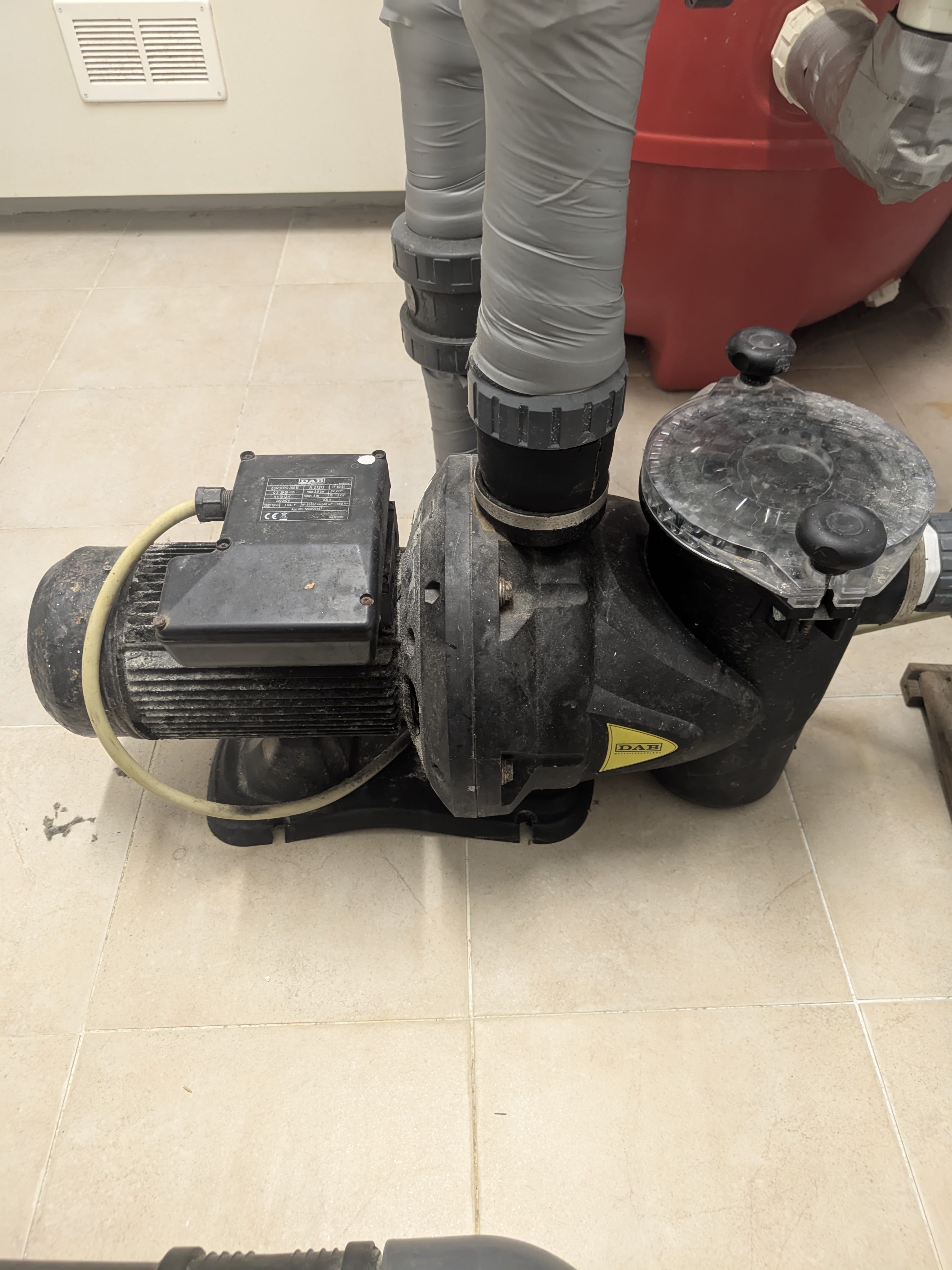
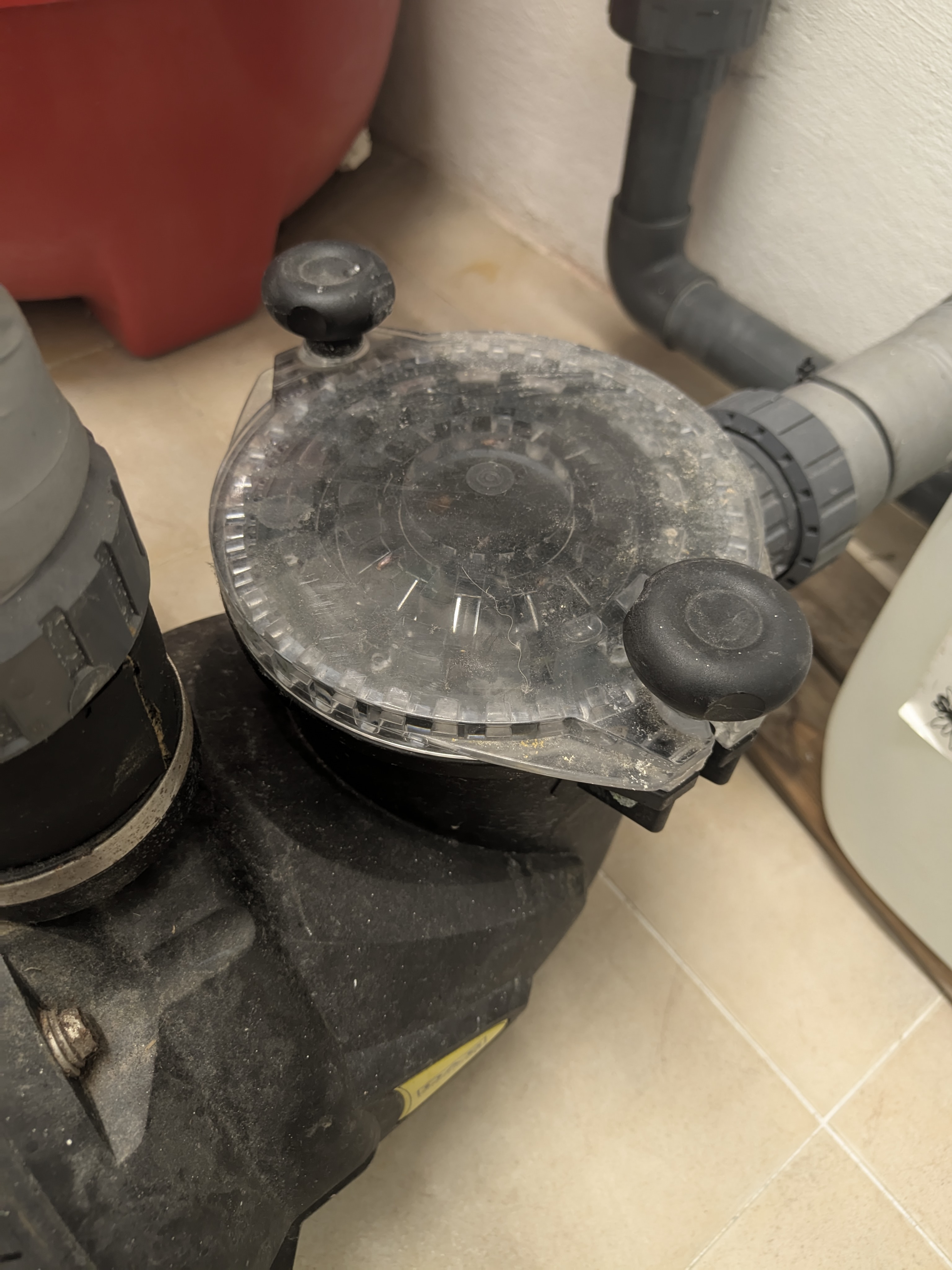
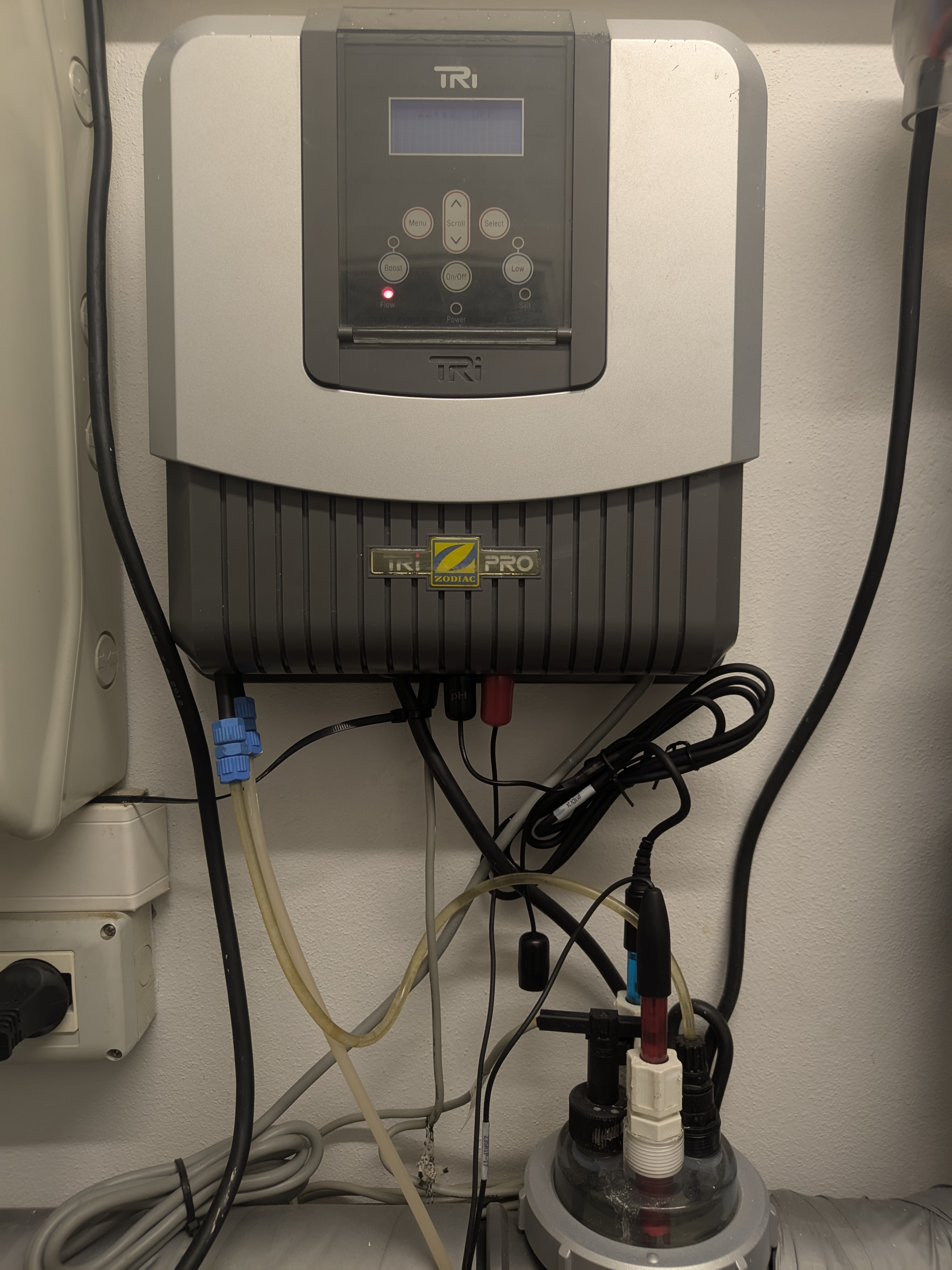
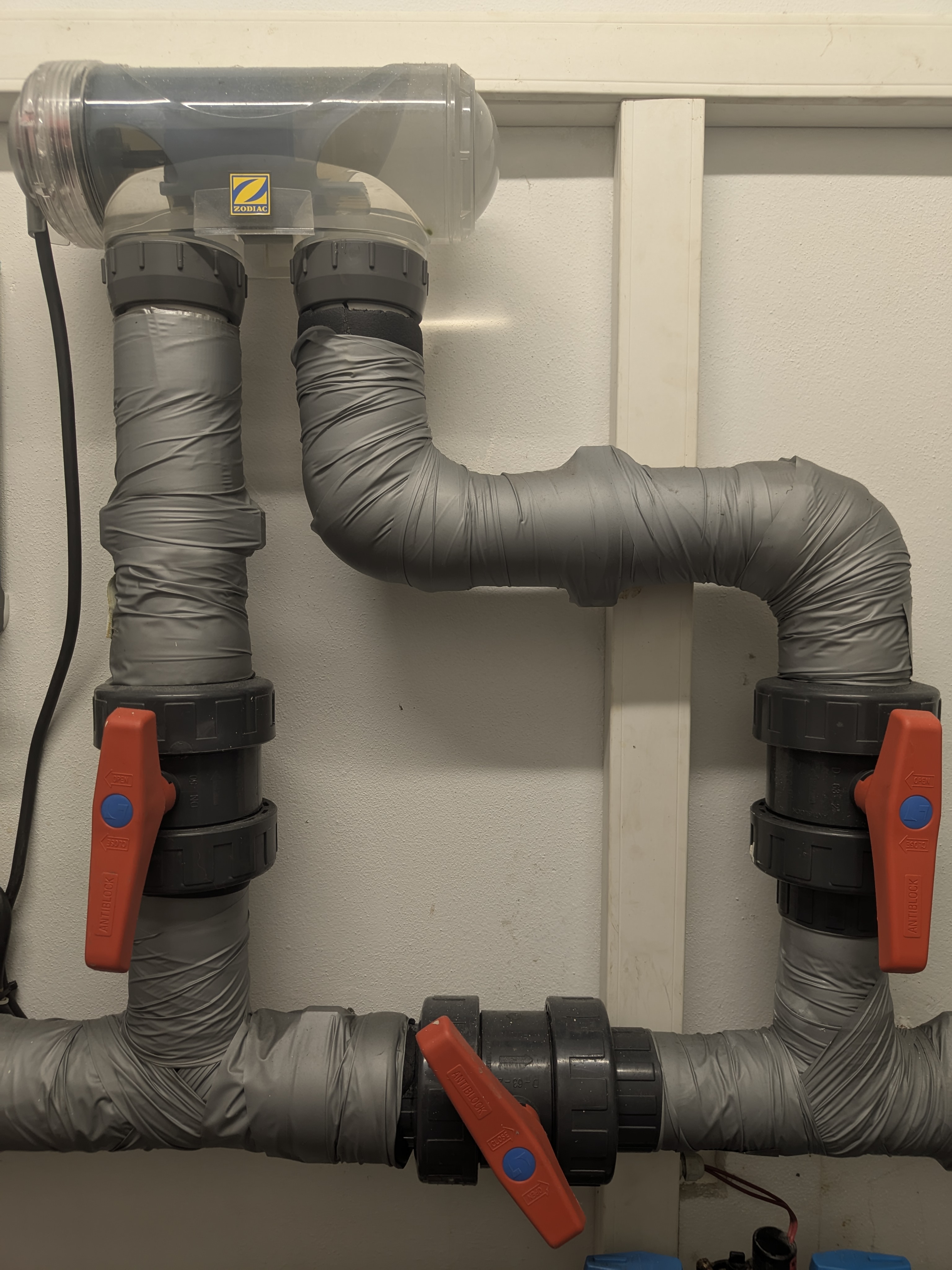
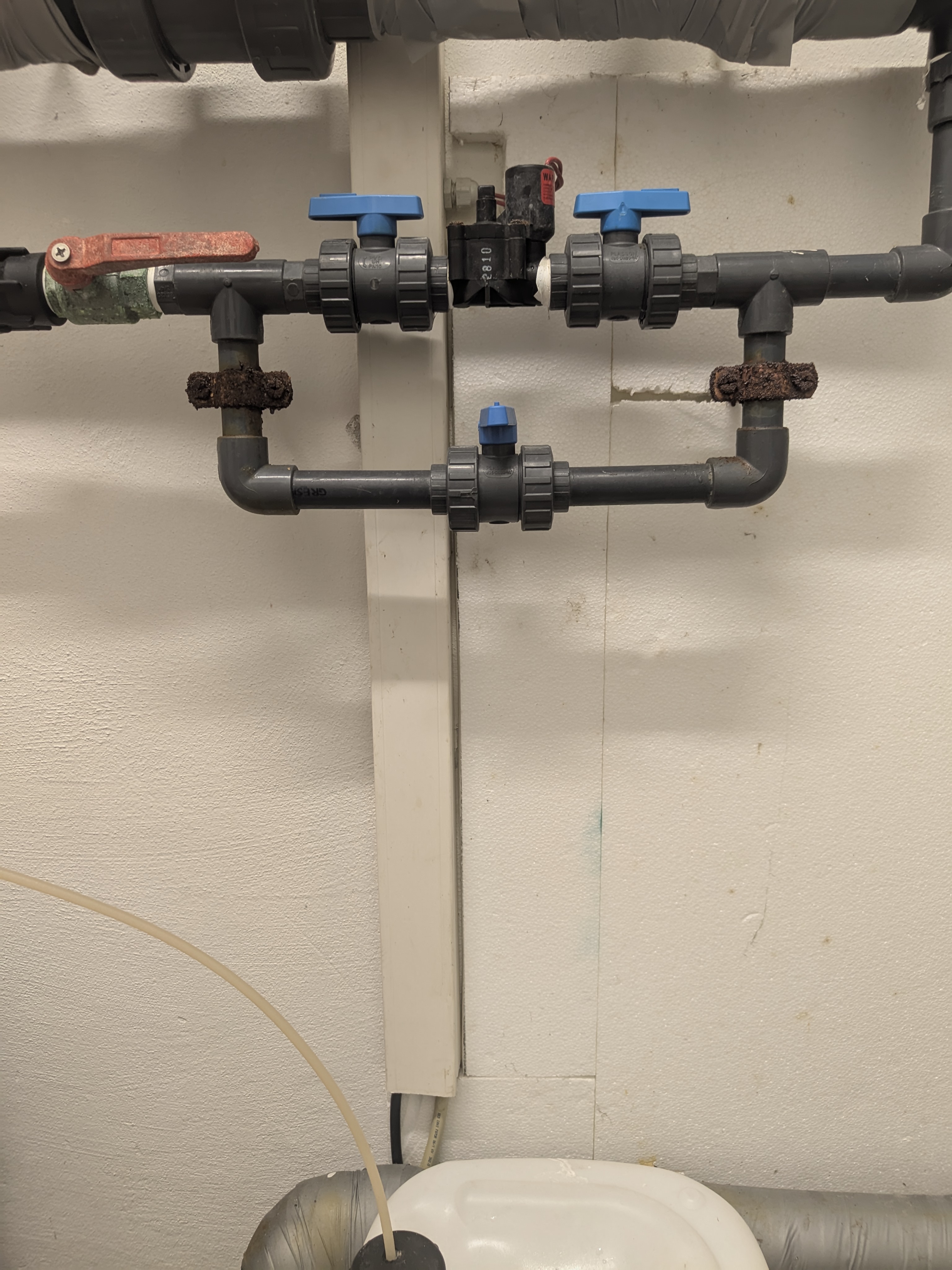
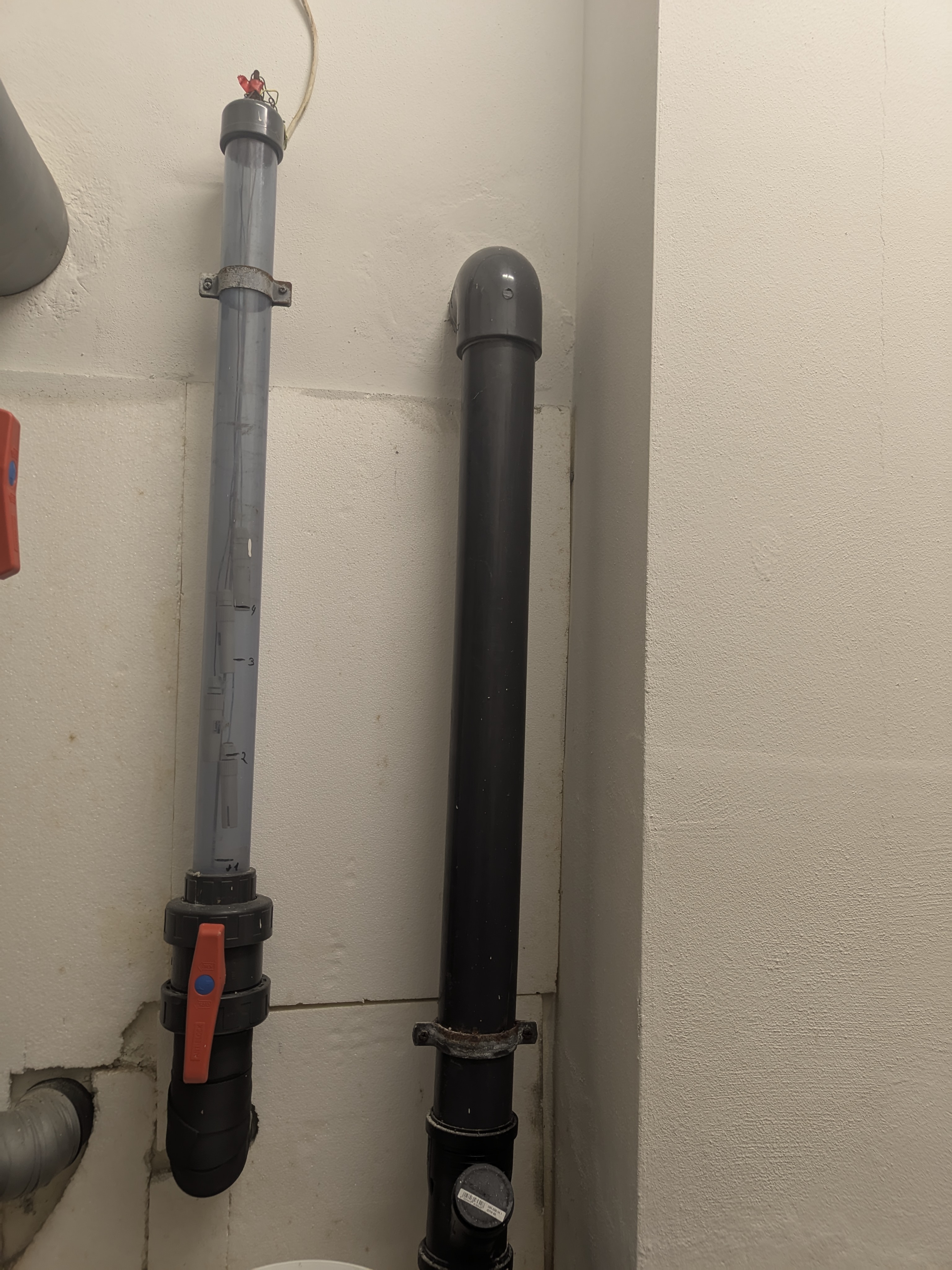
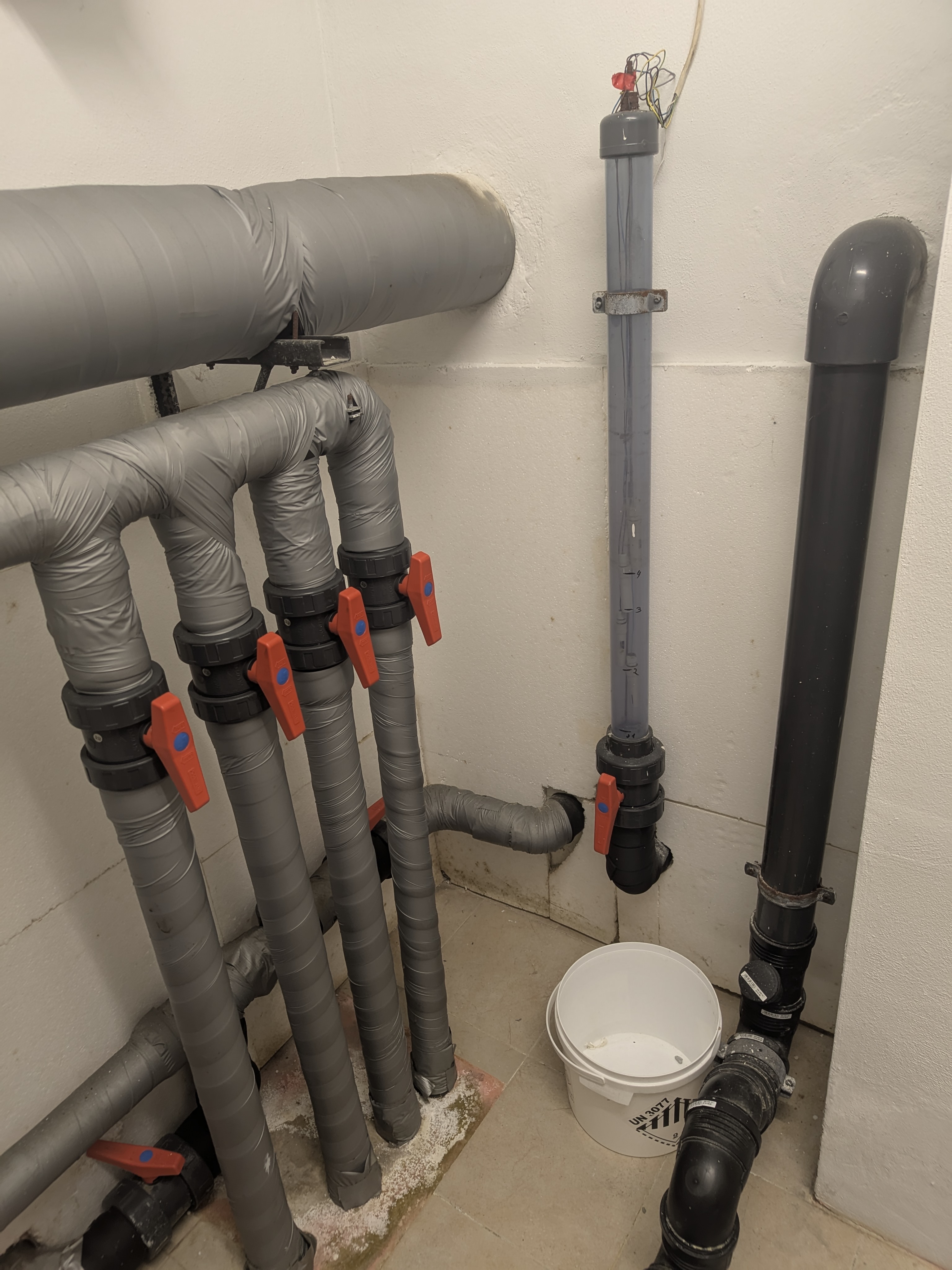
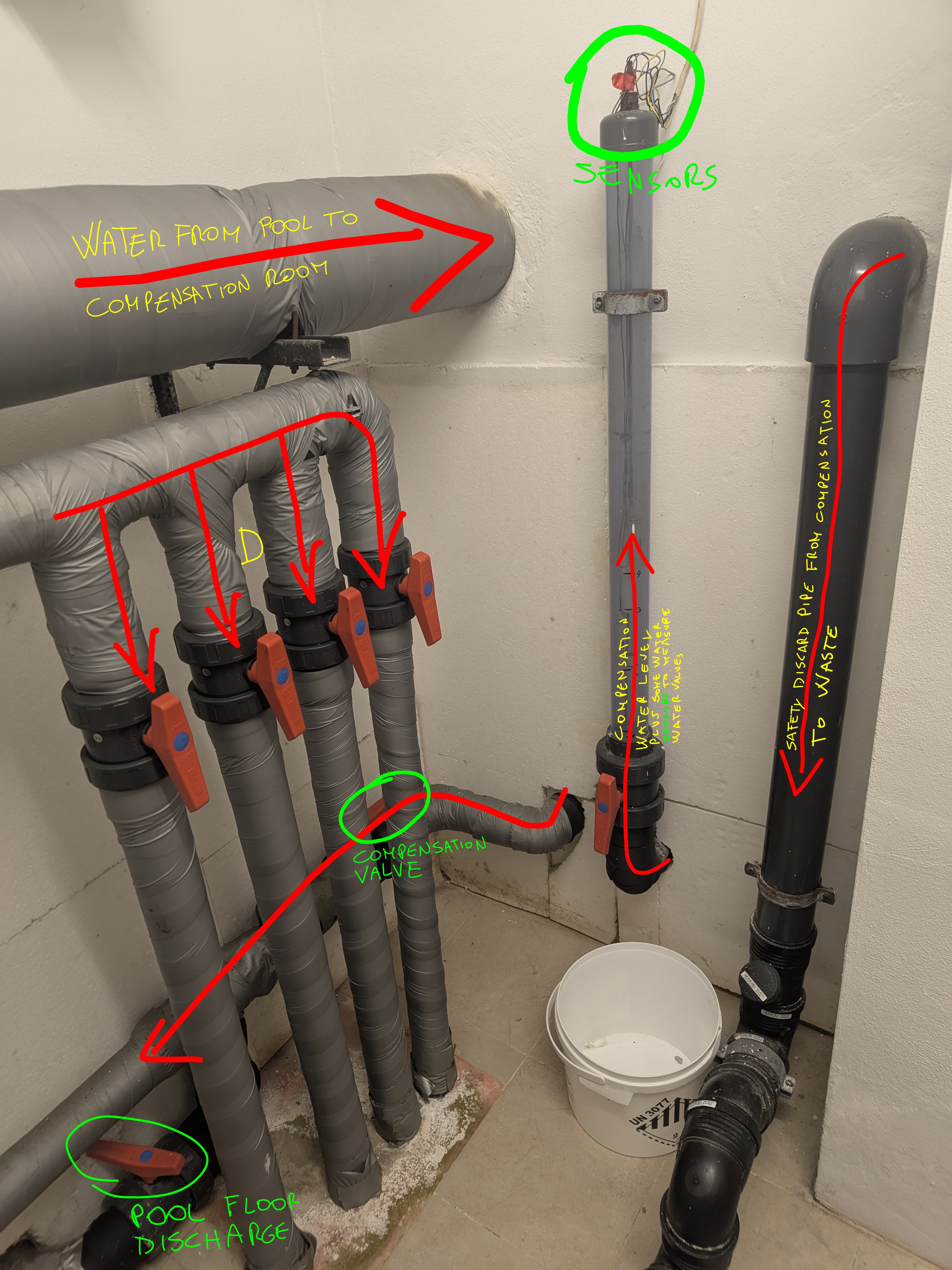
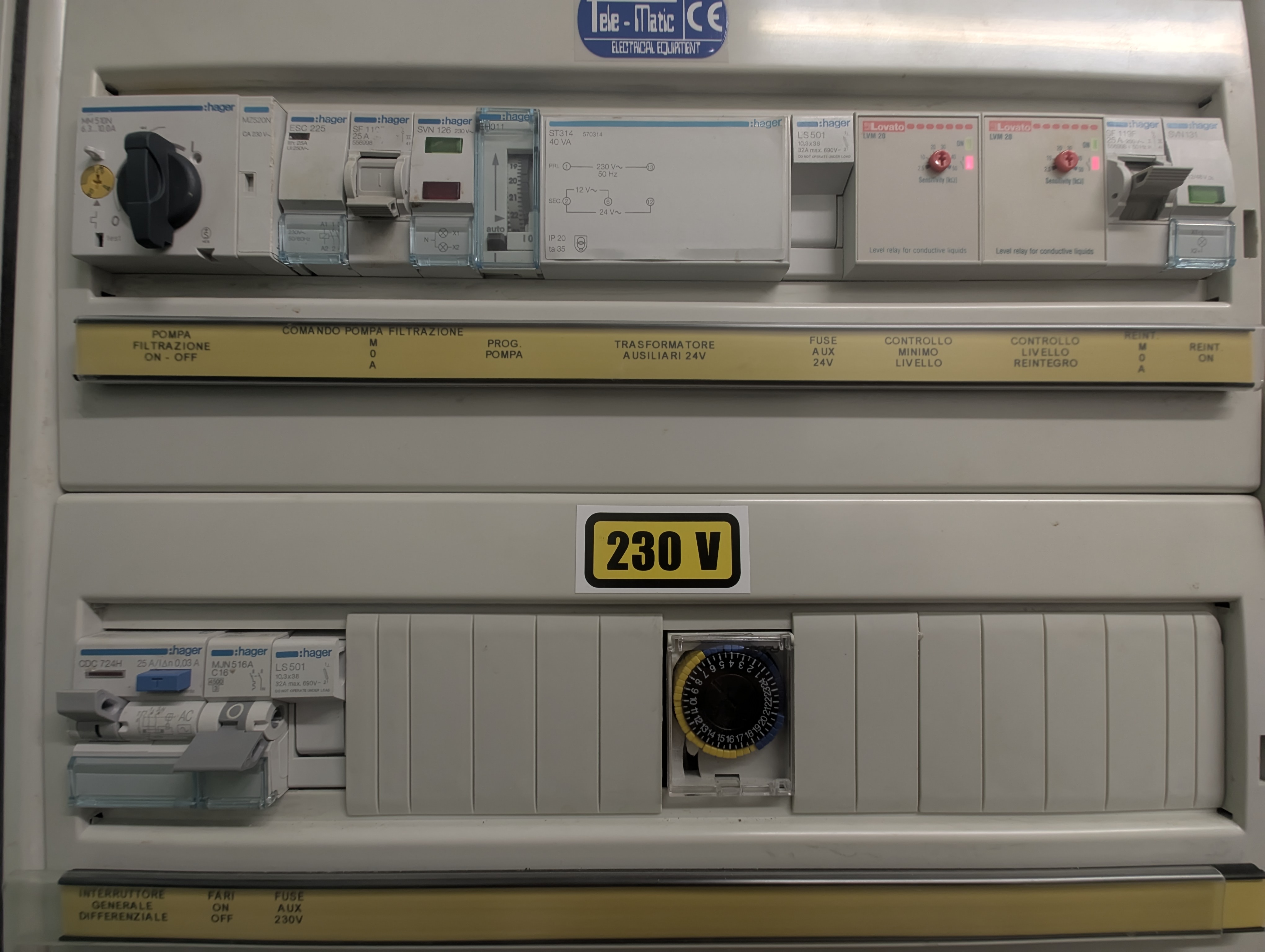
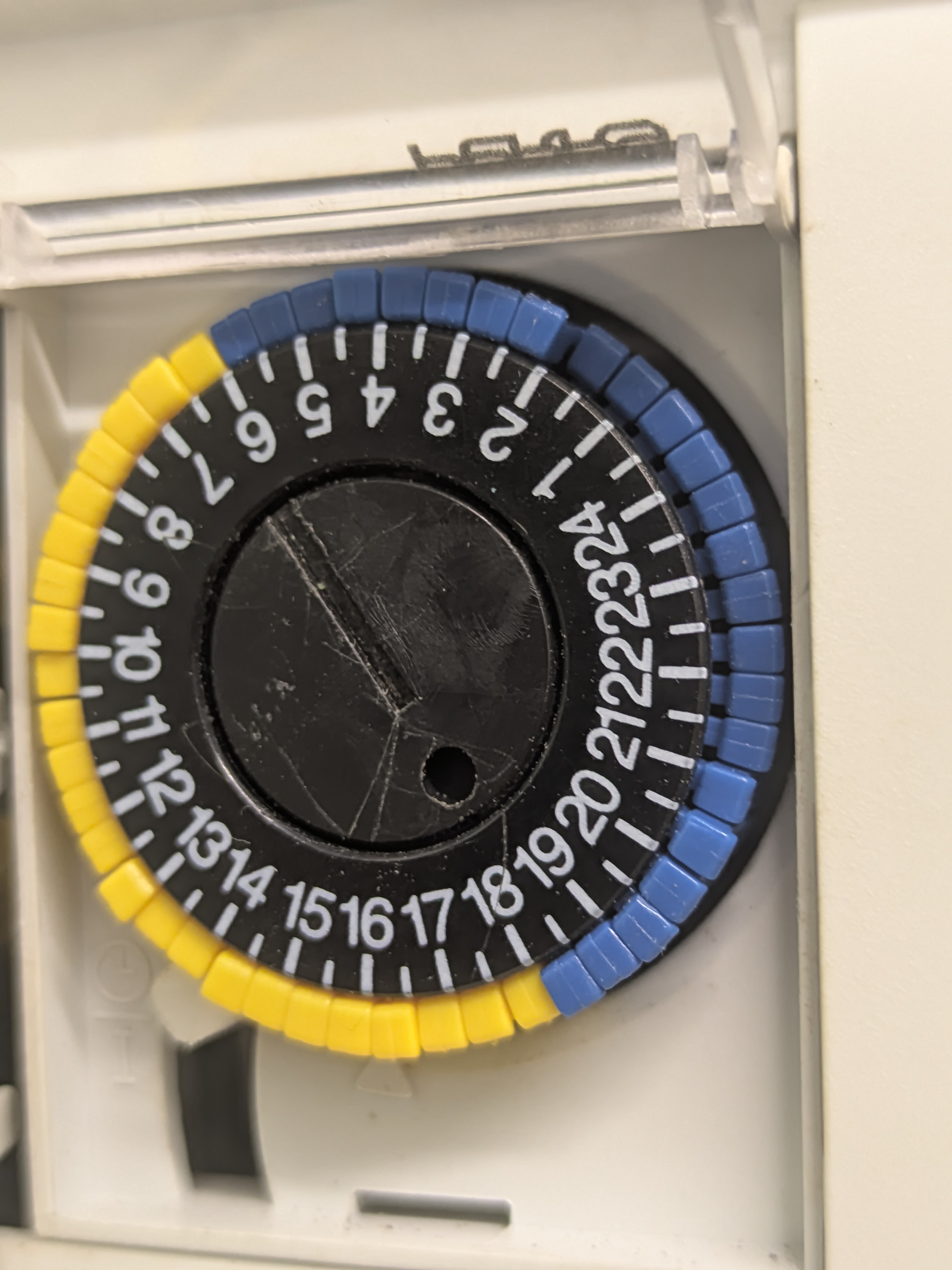
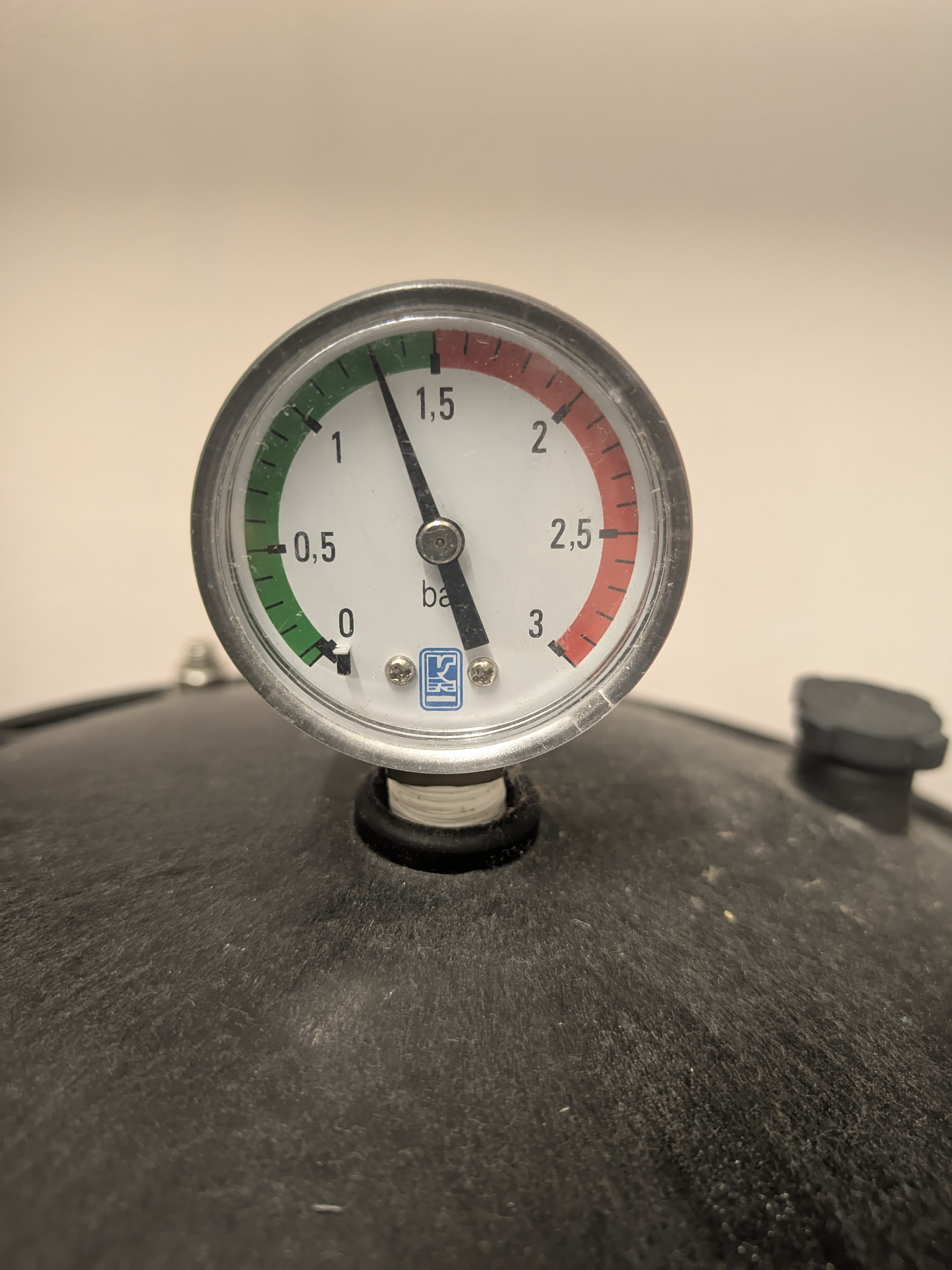
05_balance-room/ 6 photographs
The tank and the hatch that reaches it. The coloured marks on 04 are explained in that folder's ANNOTATION-KEY.txt.
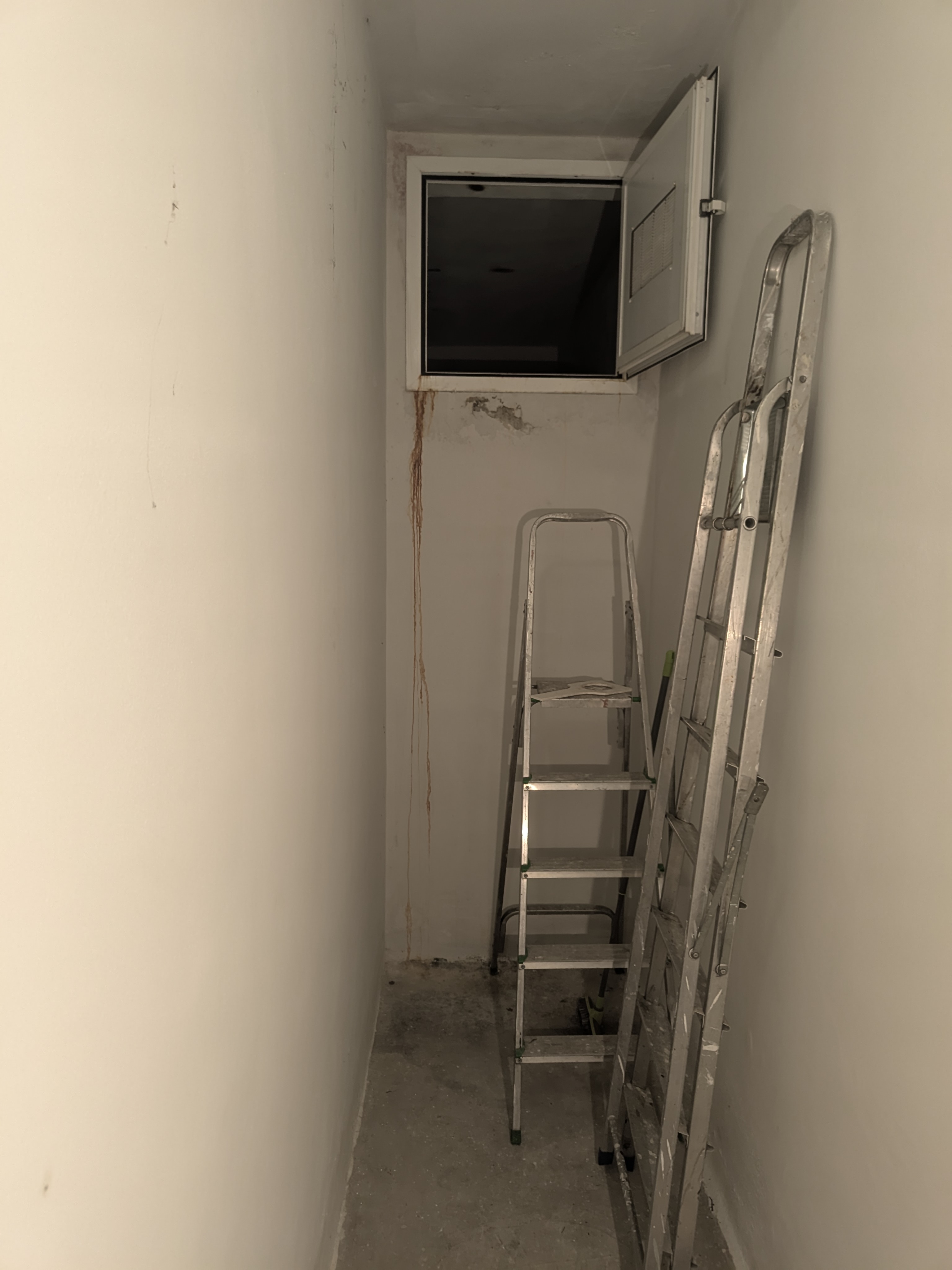
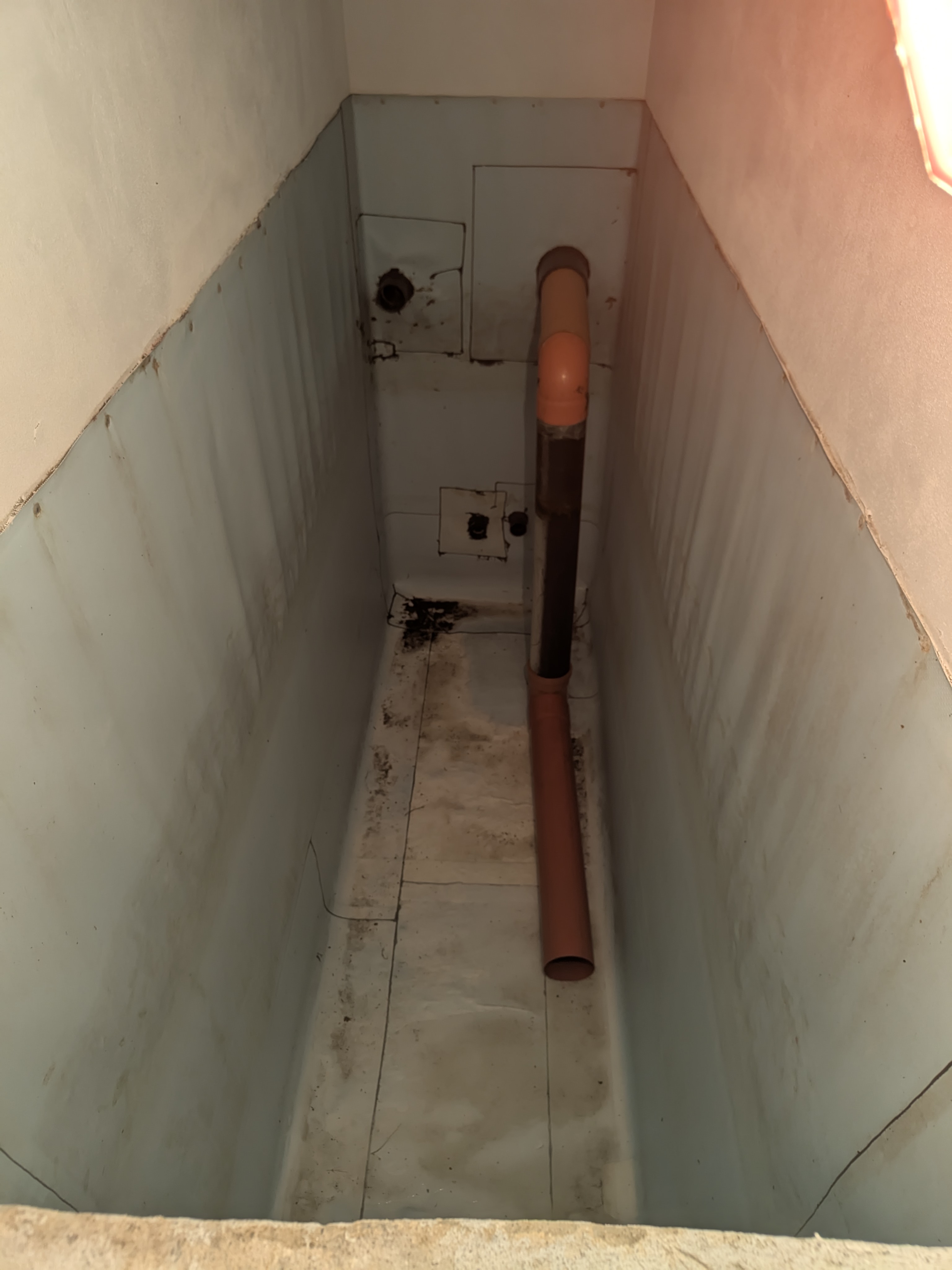
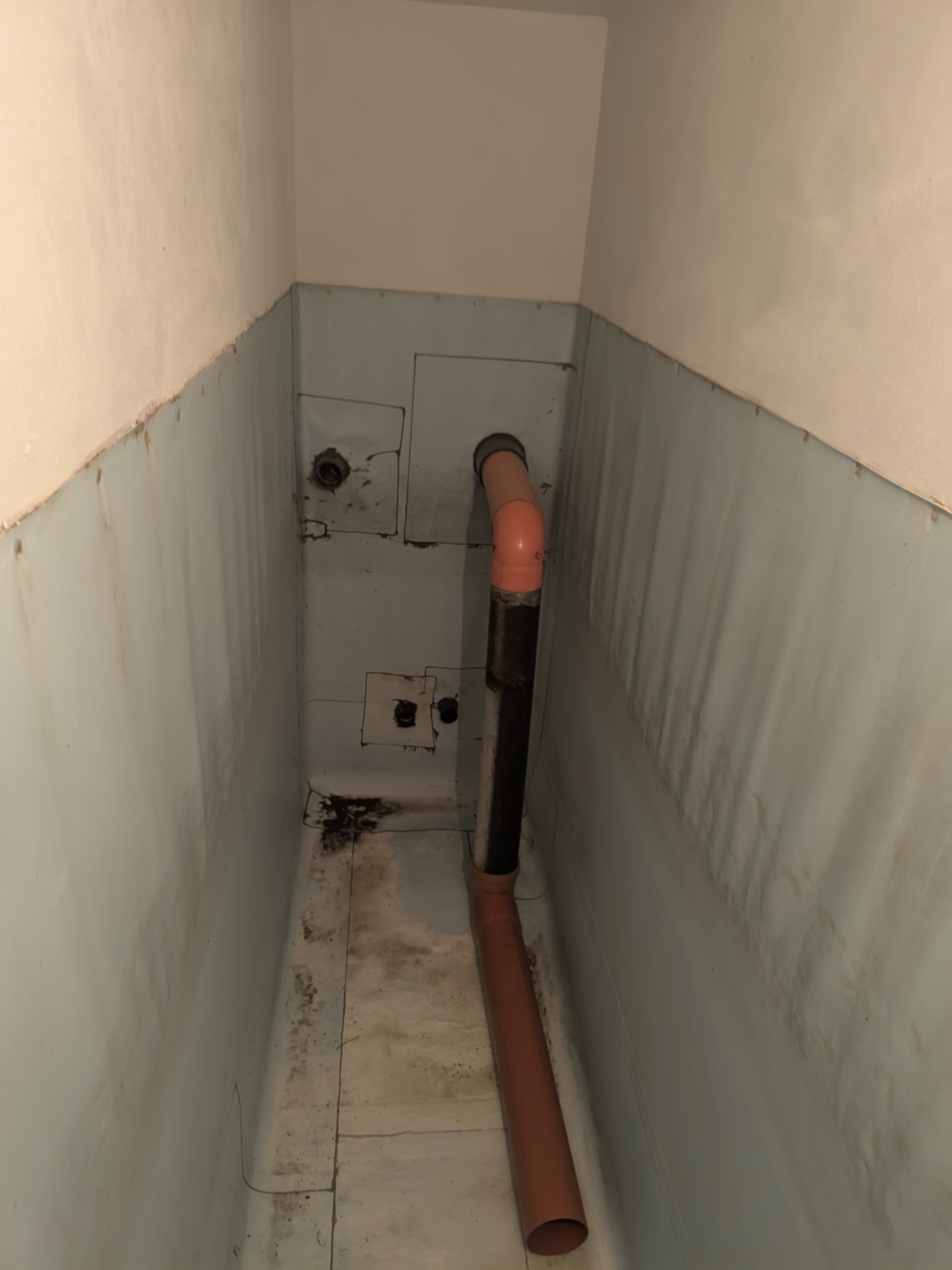
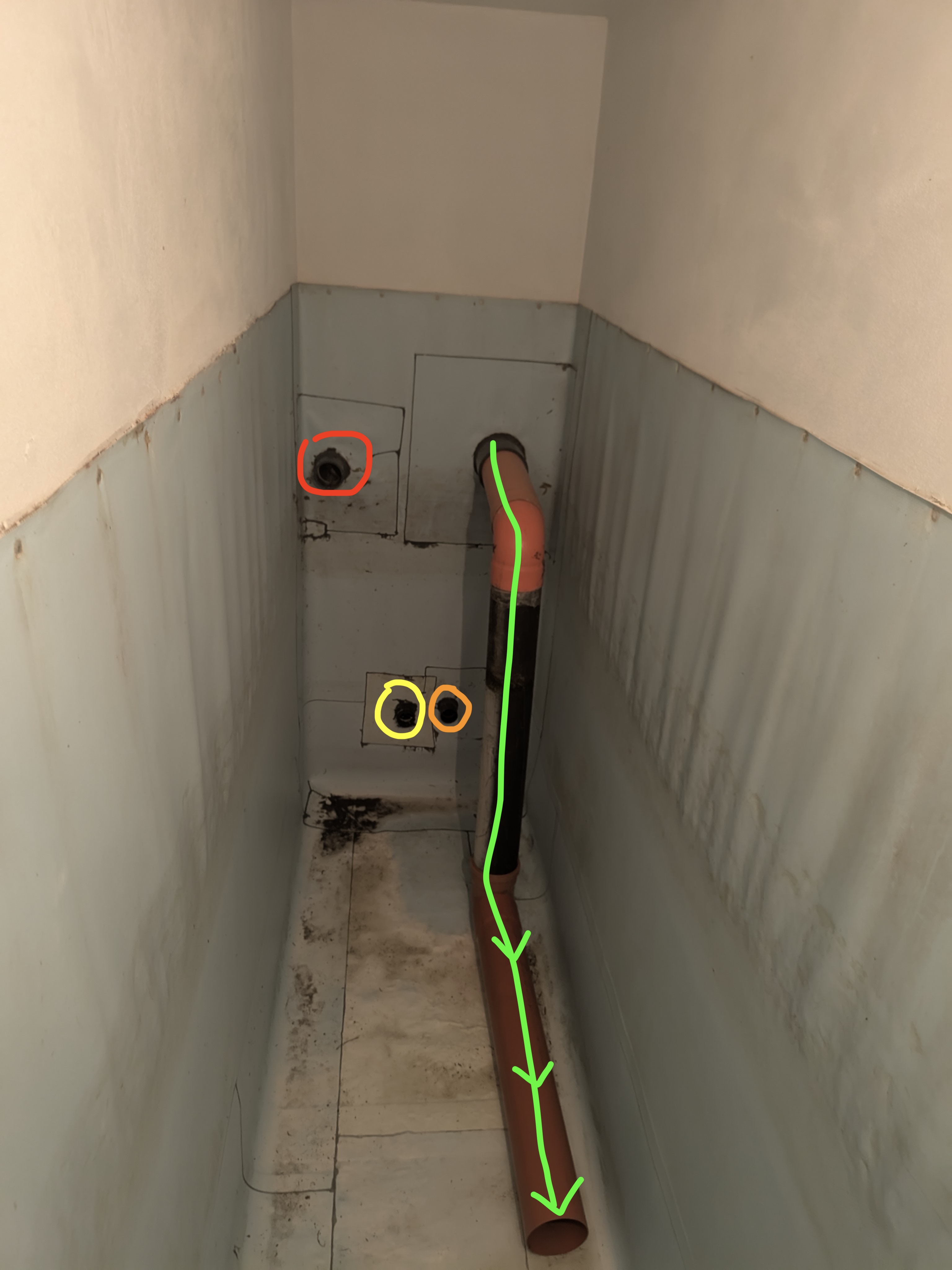
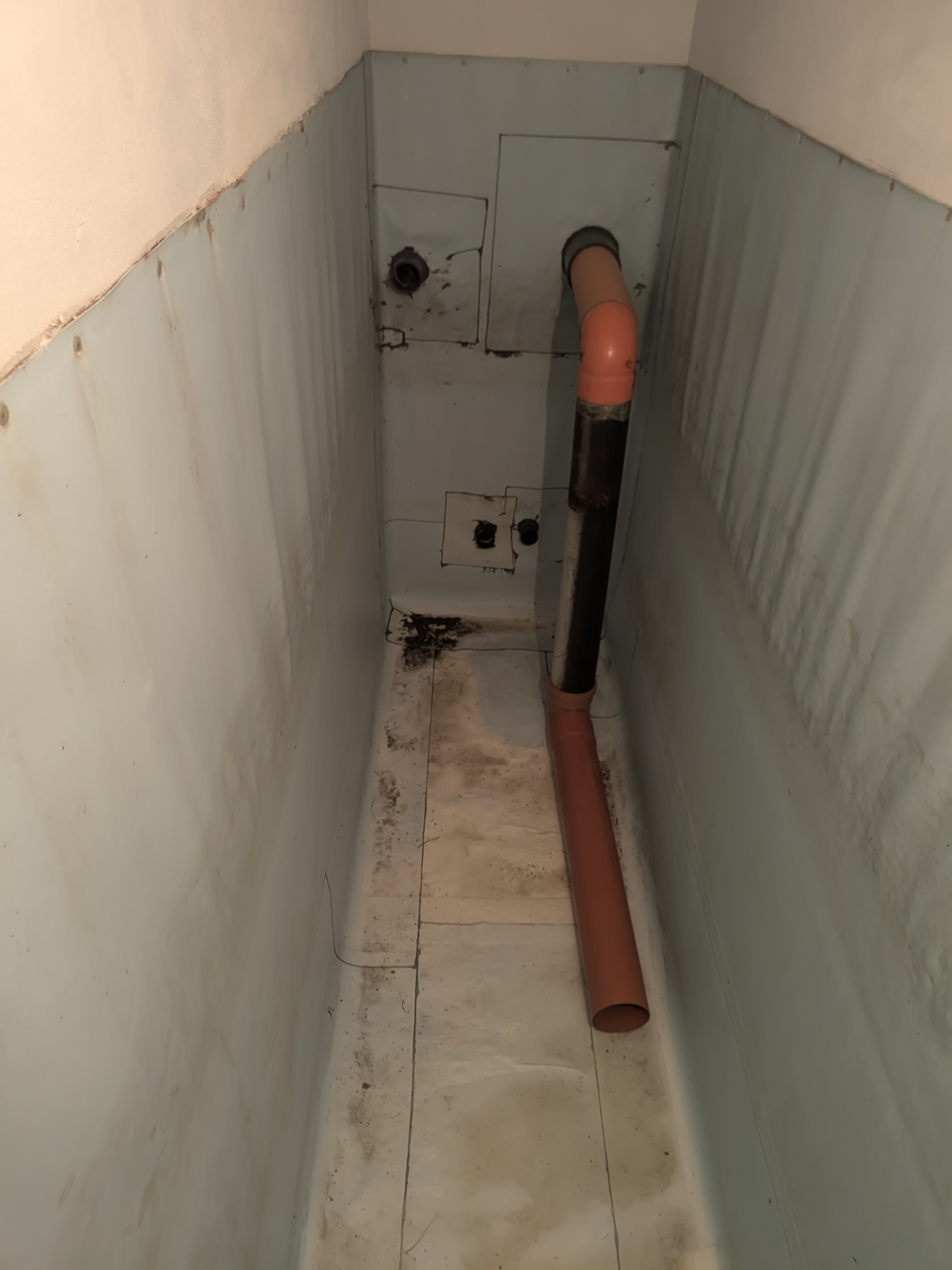
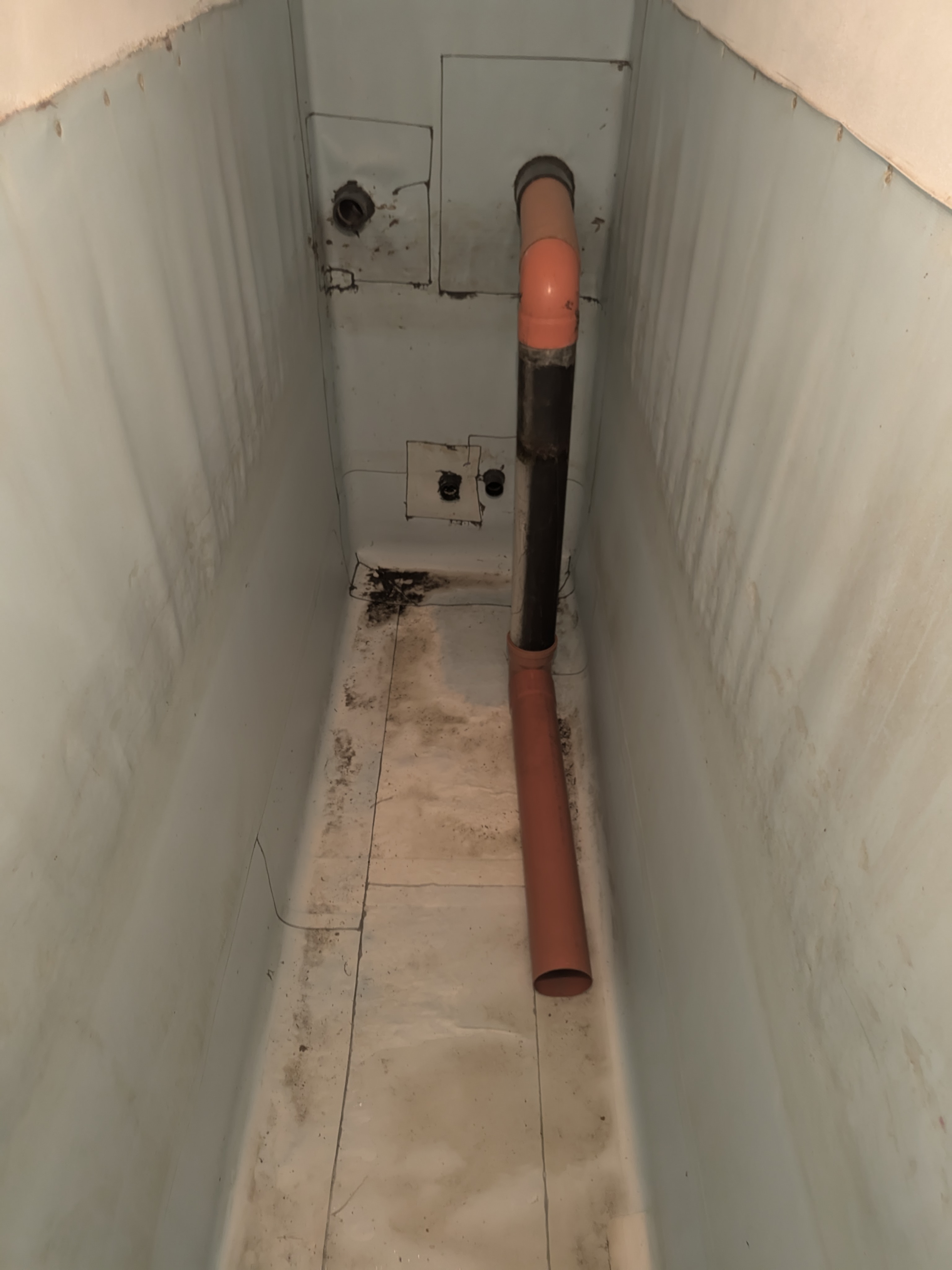
06_pool/ 2 photographs
The pool itself, 52 seconds apart from opposite ends. Shape, layout and the overflow edge. Both are ultra-wide, an 18 mm equivalent by their own EXIF, so nothing here may be scaled or measured.
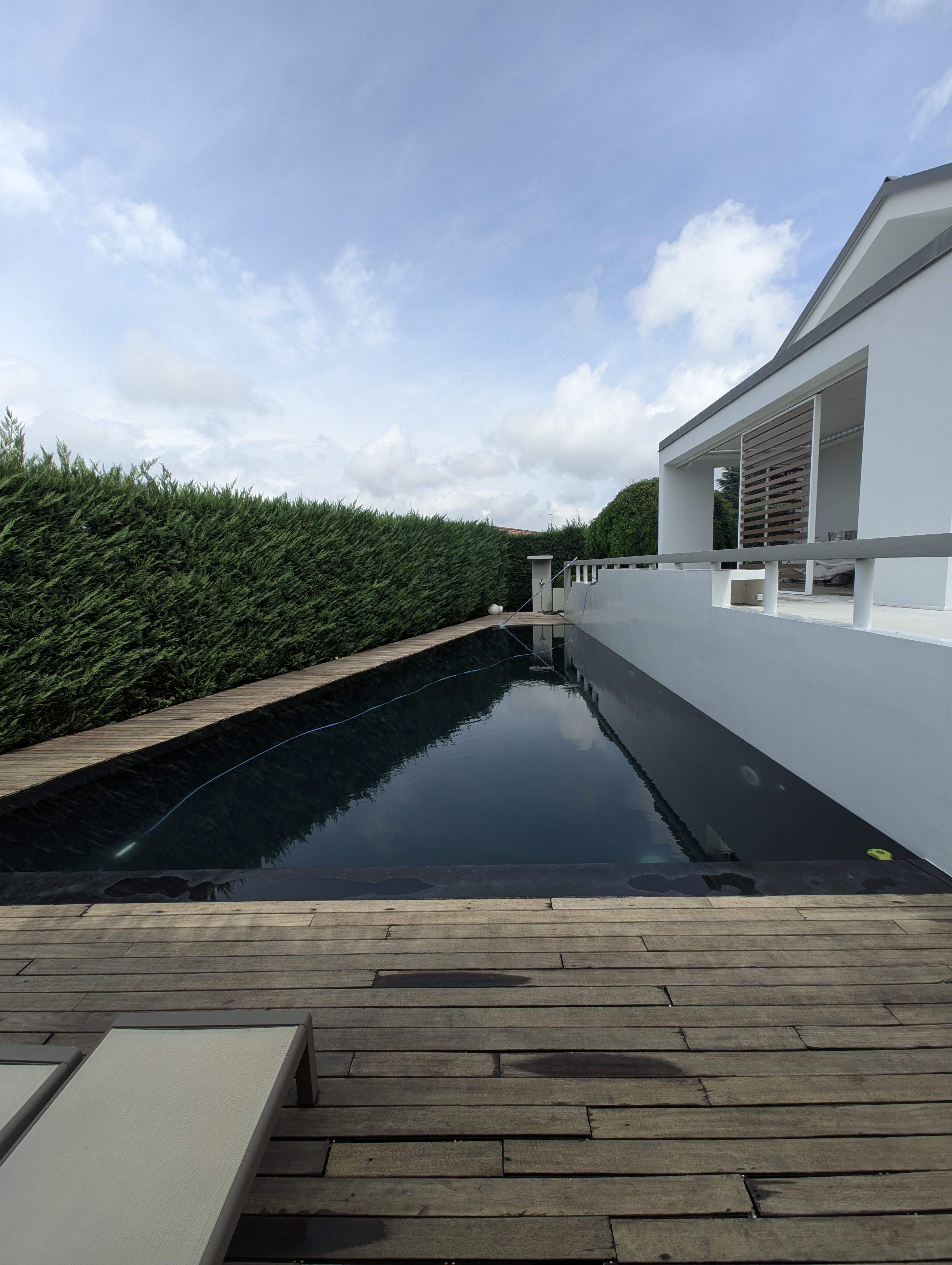
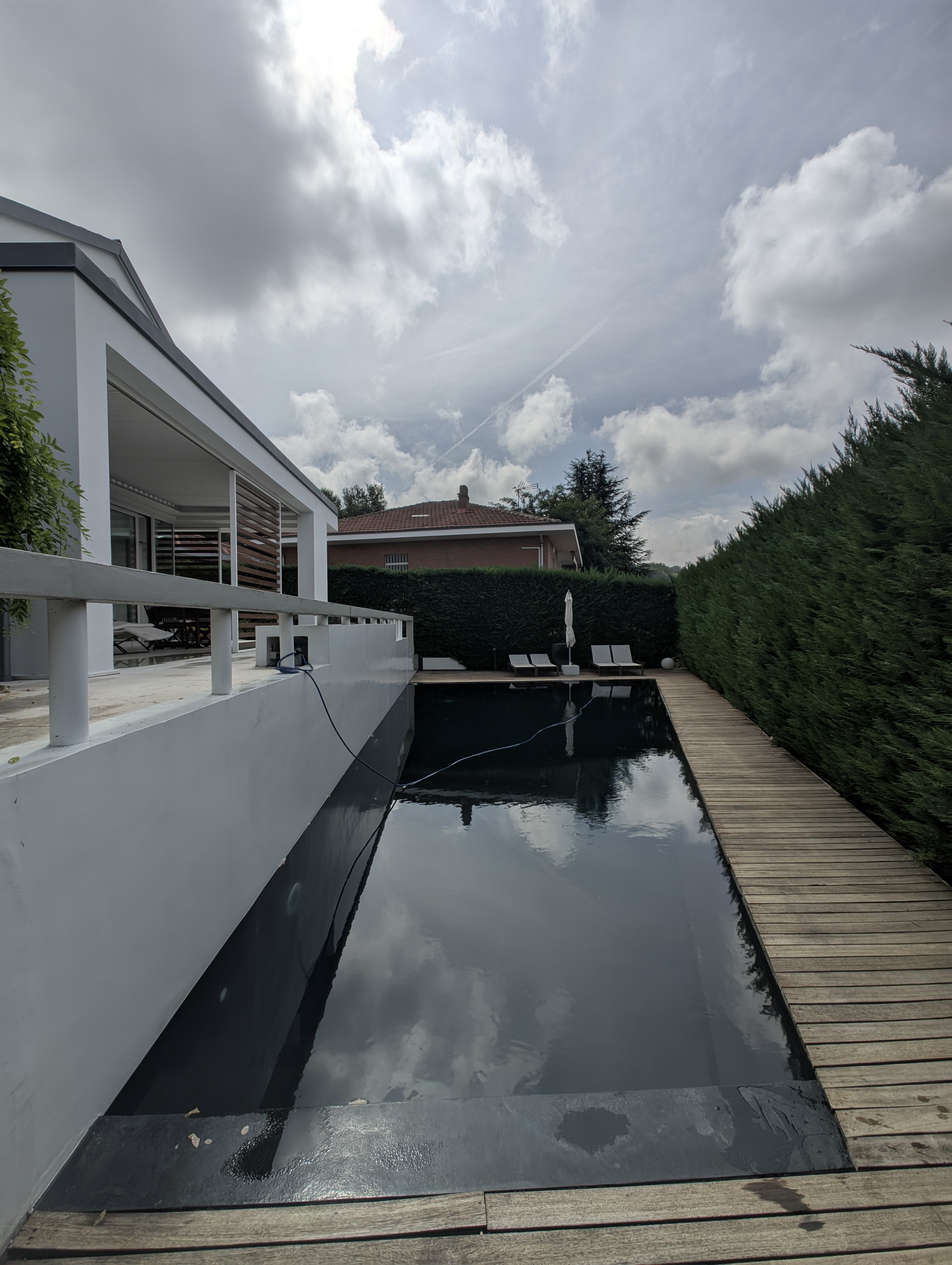
07_drawings/ 4 images
The owner's own drawings. 04 supersedes 02 and 03; its service corridor is topology only and must never be scaled.
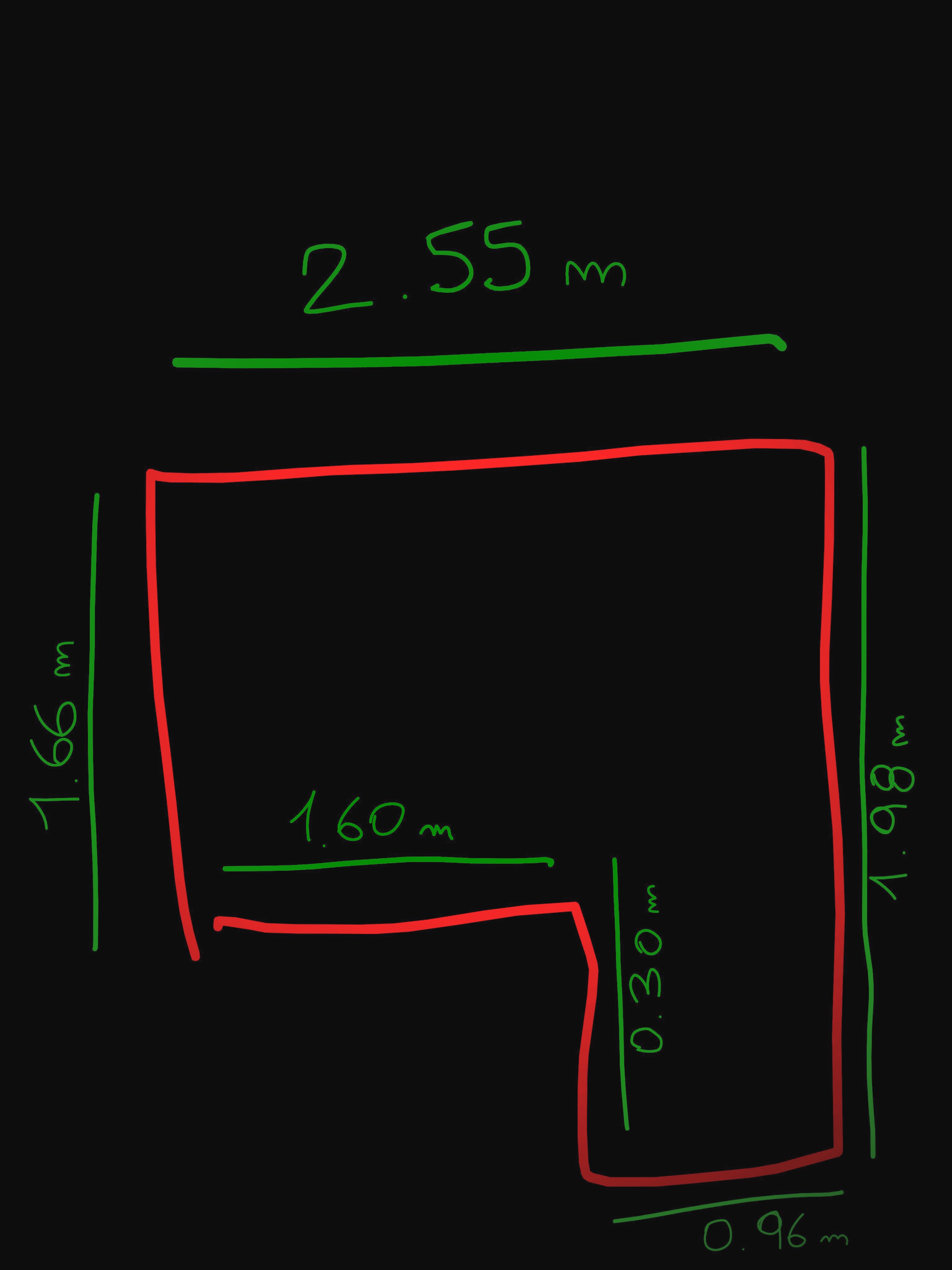



09_panoramas/ 4 images
Straightened views reprojected from the single photosphere, 04_plant-room/01. These are the wide images that can be counted from.
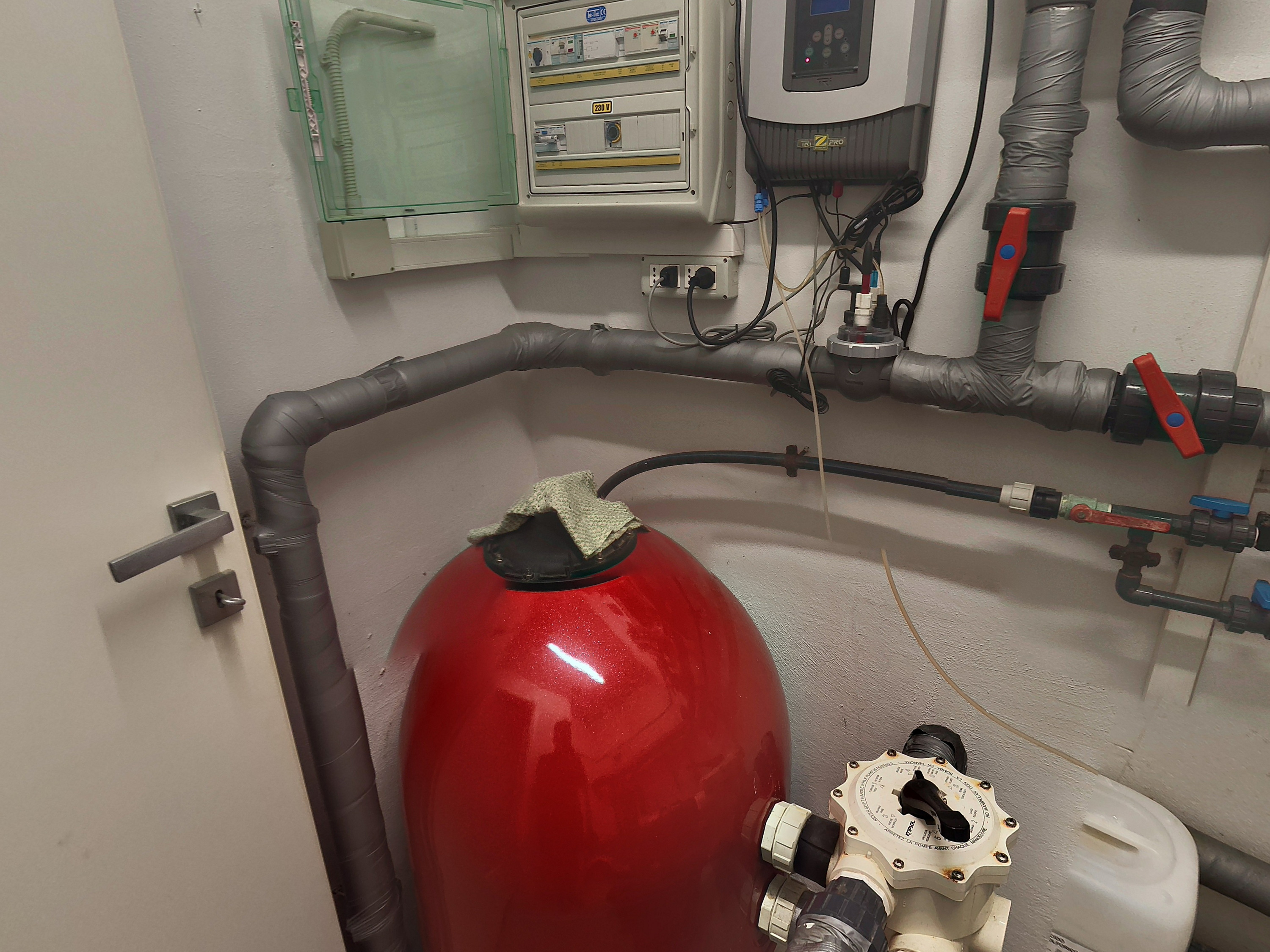
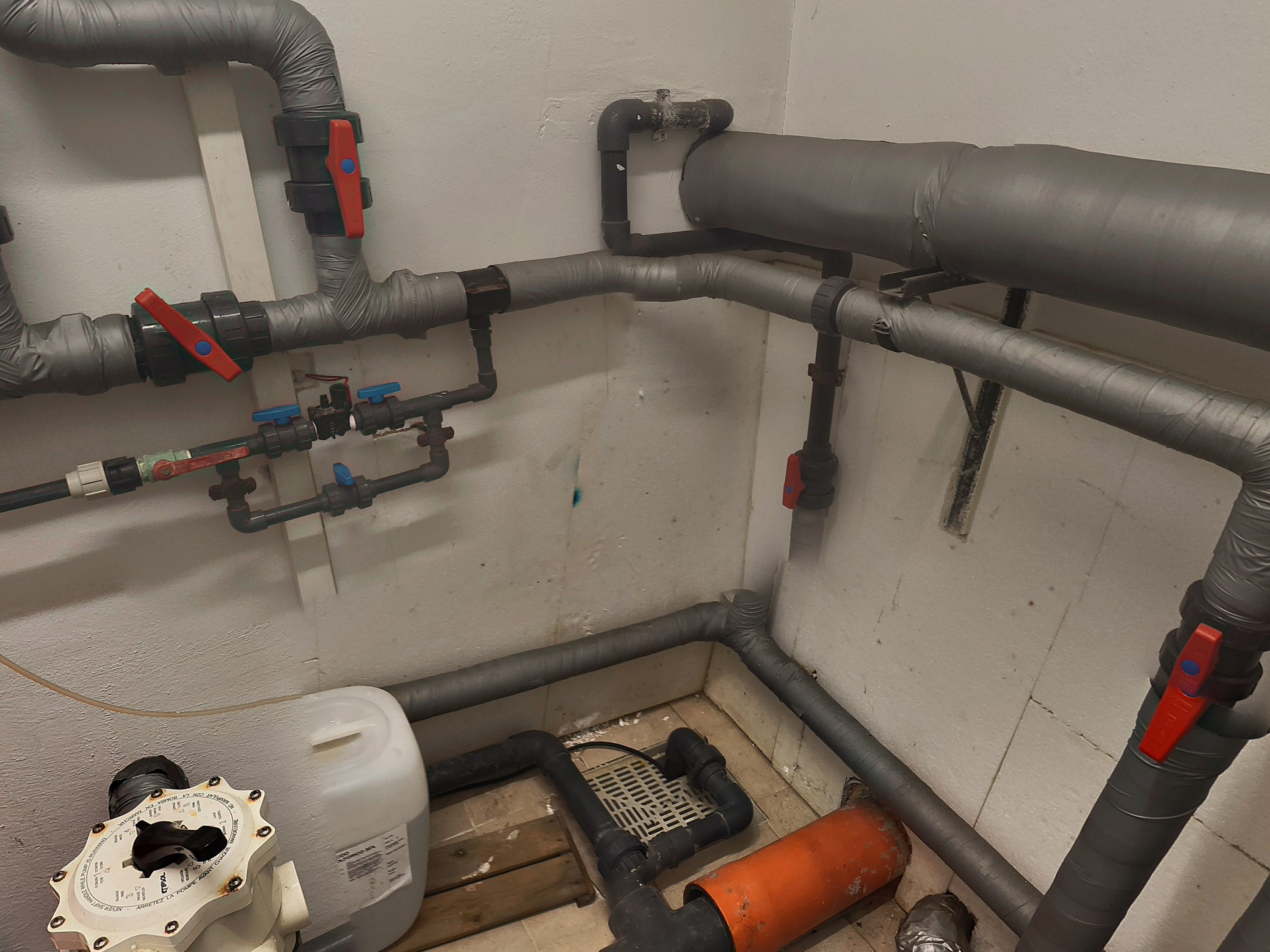
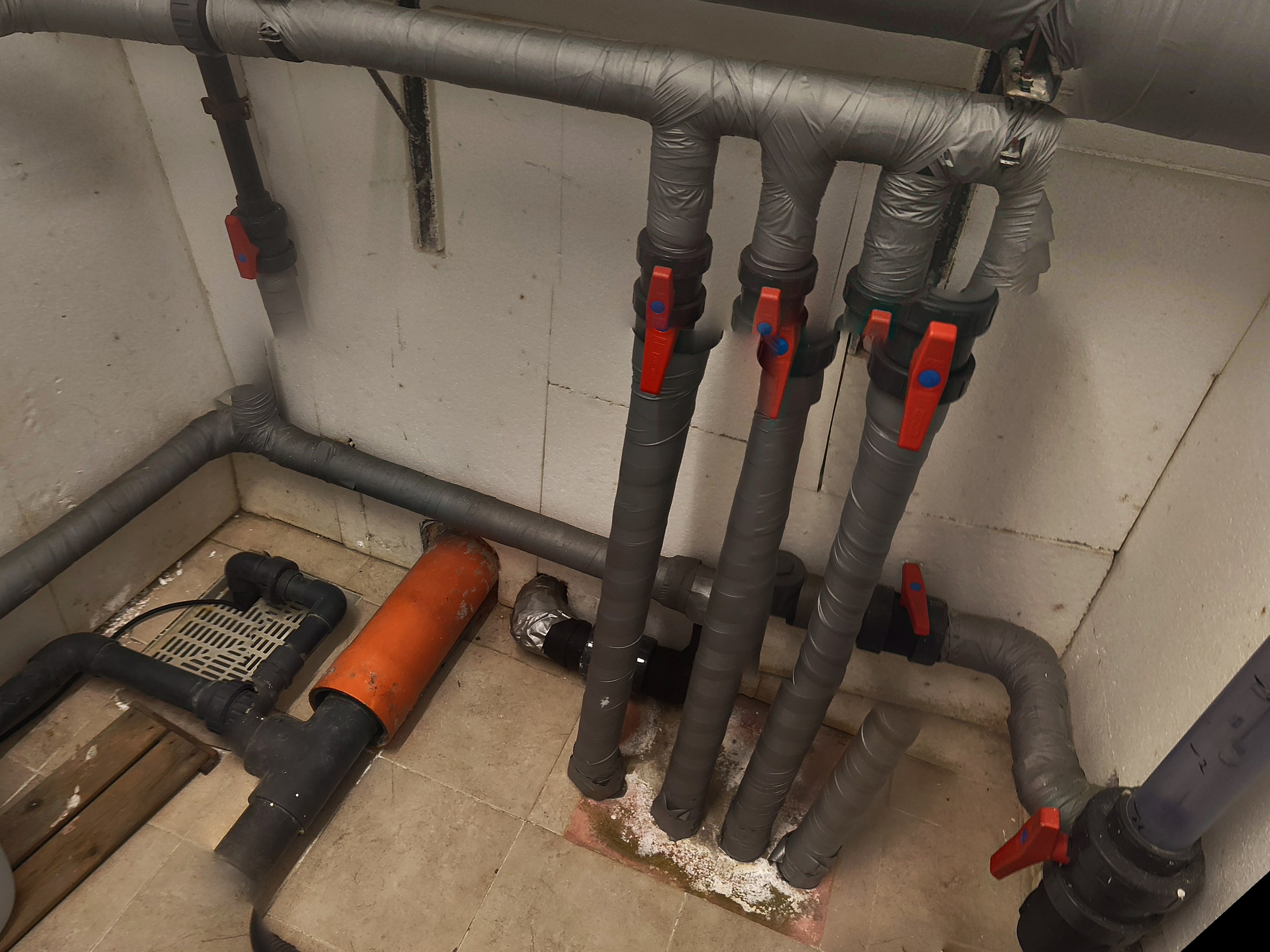
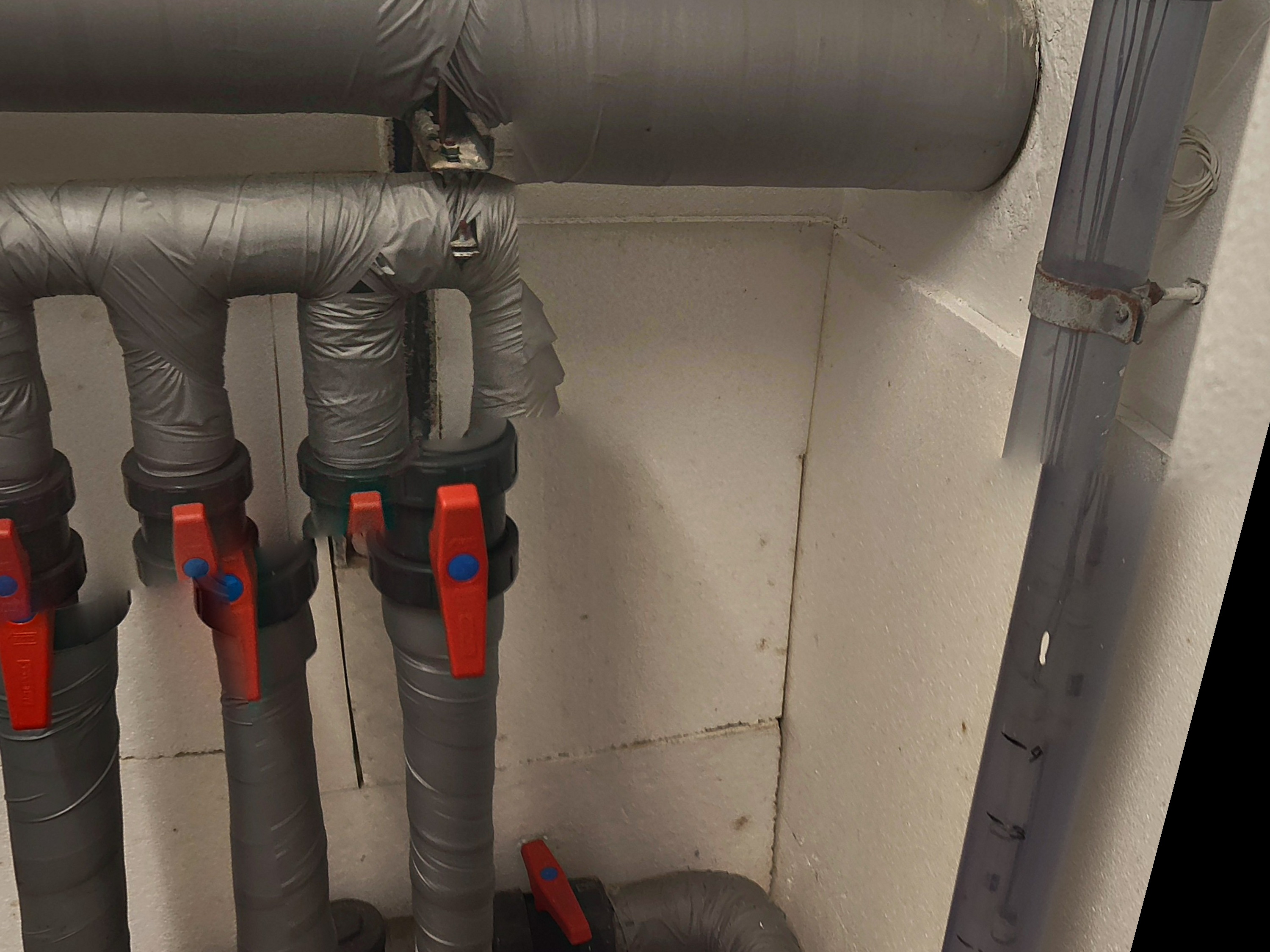
11_products/ 29 files, 28 of them shown here as pictures
Every chemical on the shelf, each with its label. The working, the lot numbers and the hazard statements are in that folder's CATALOGUE.txt.
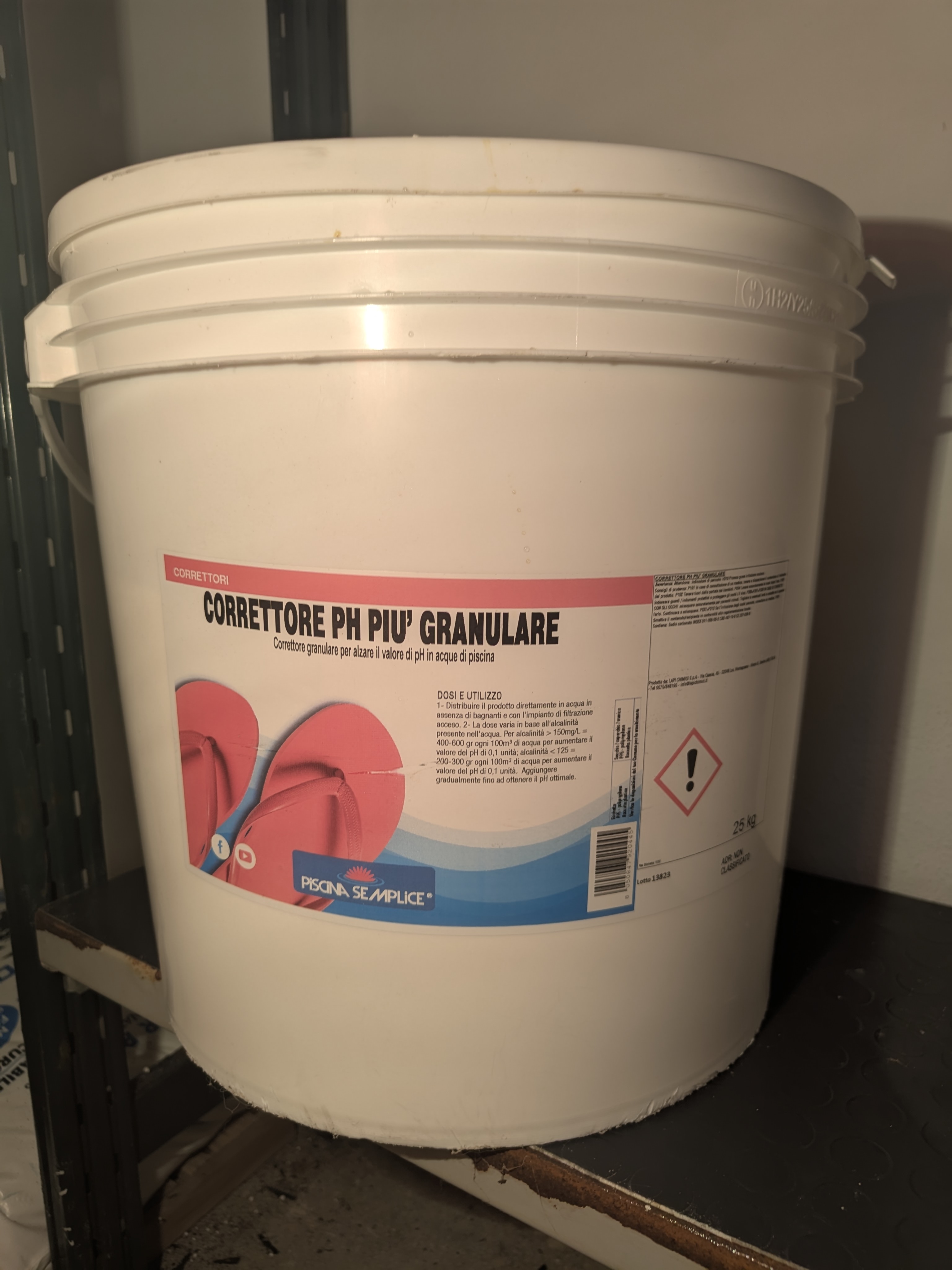
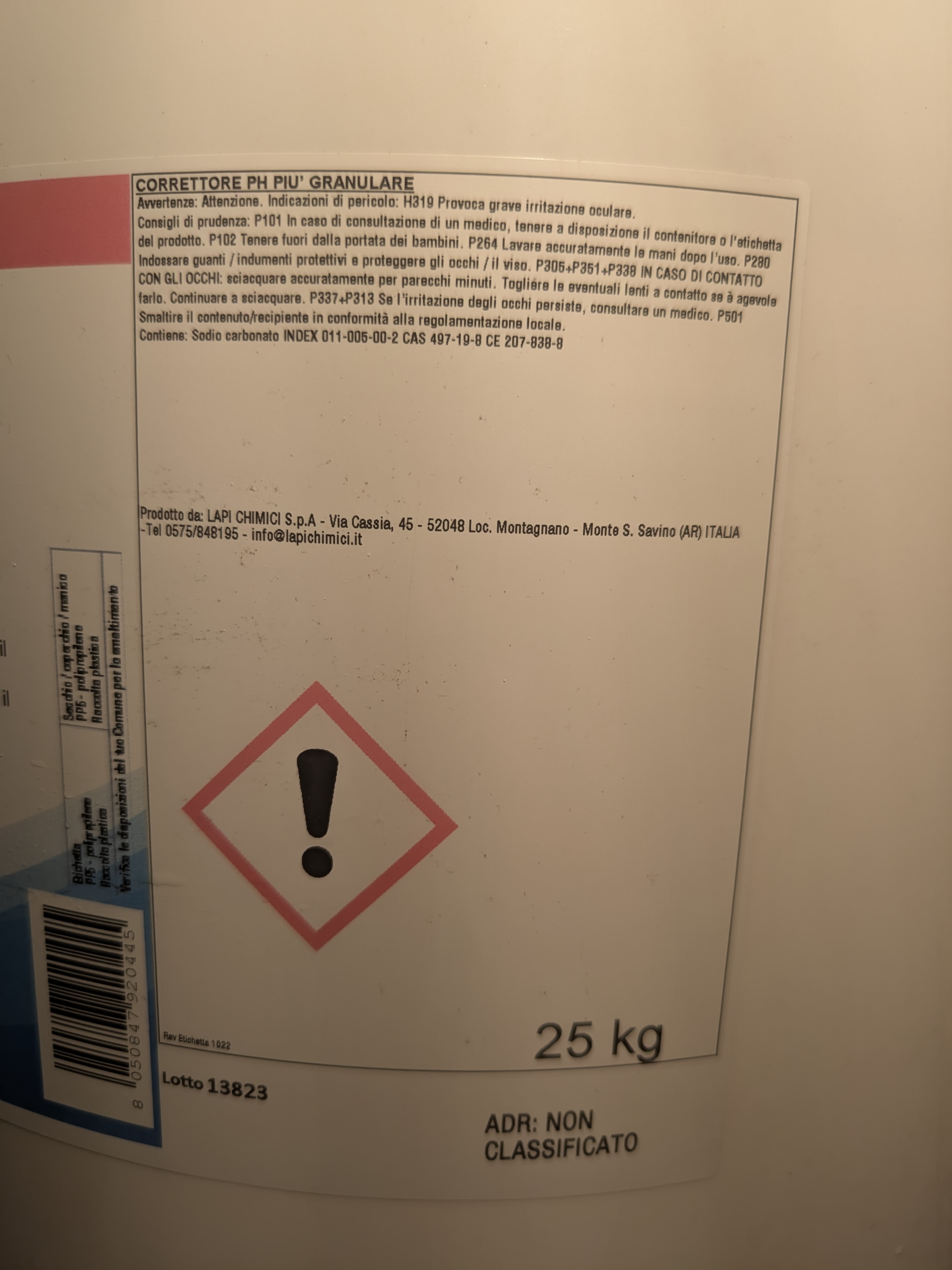
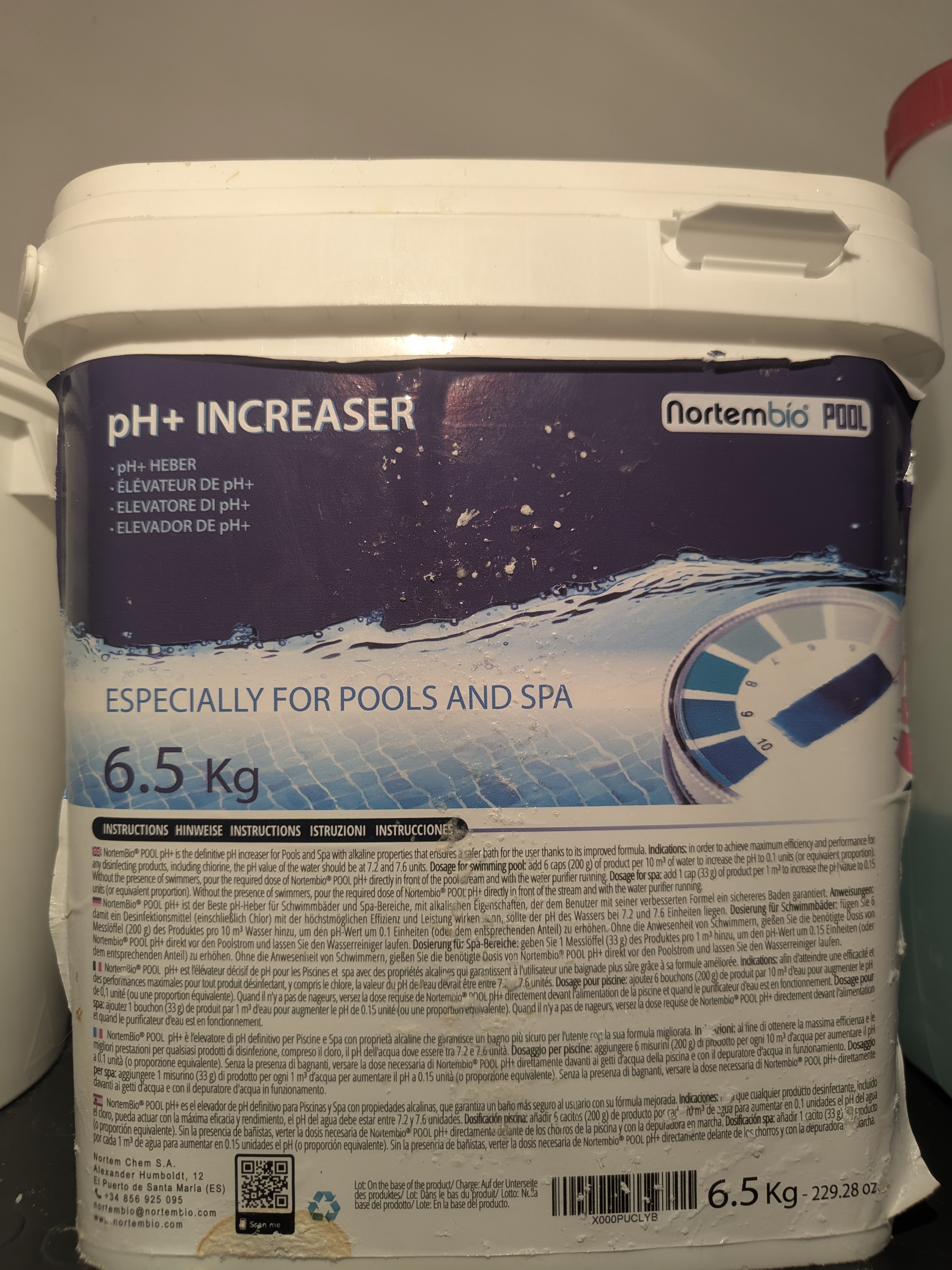
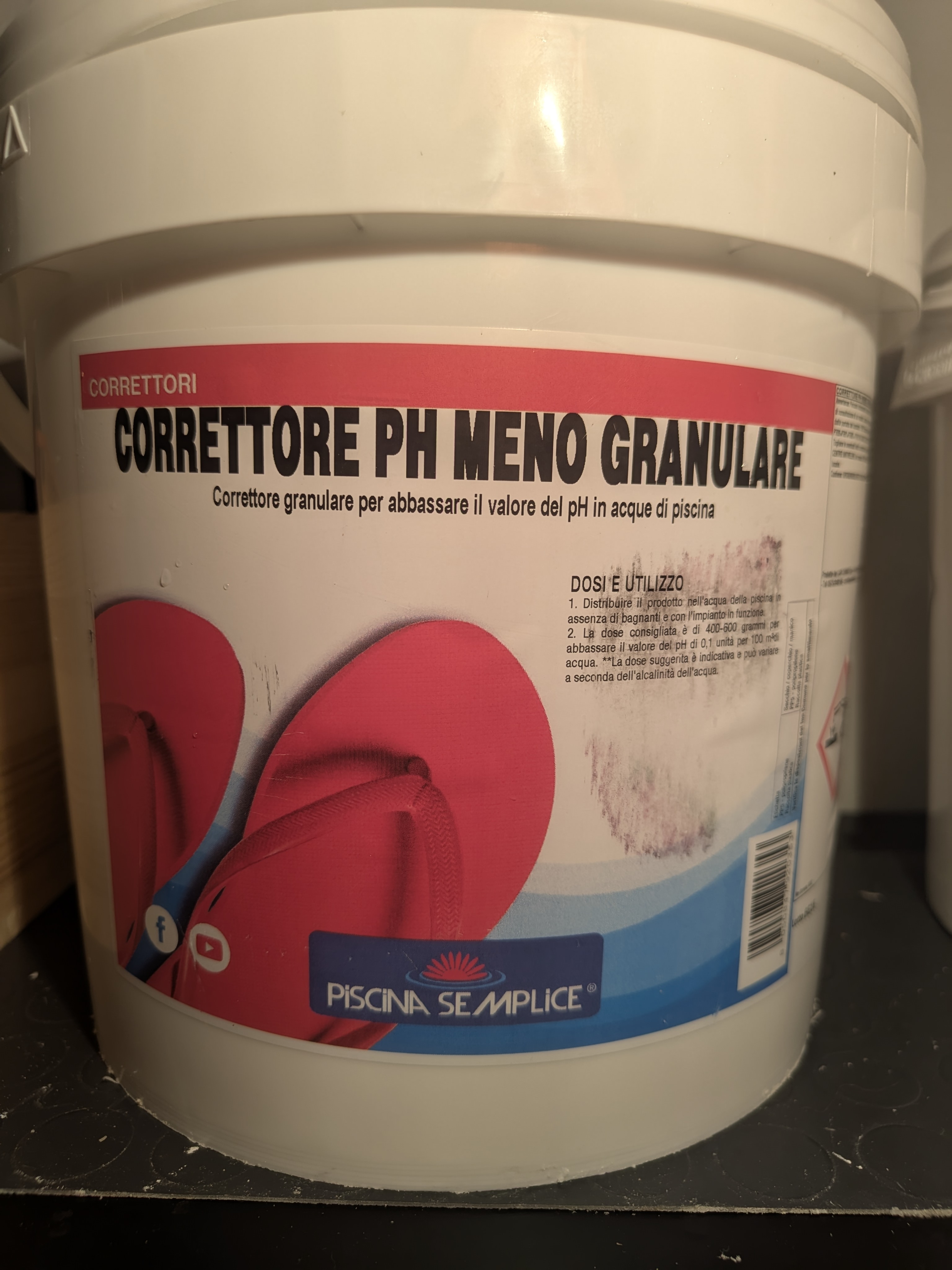
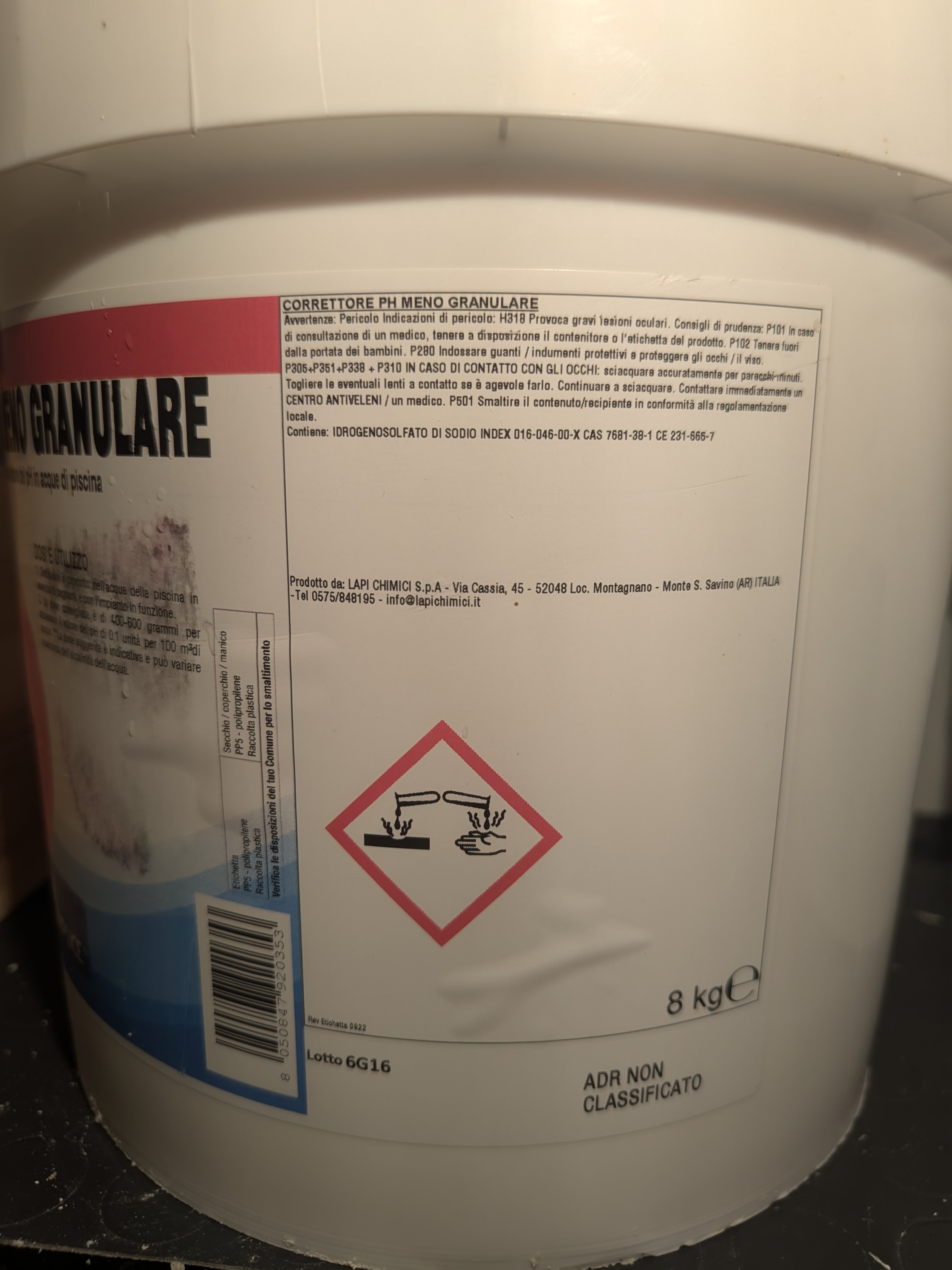
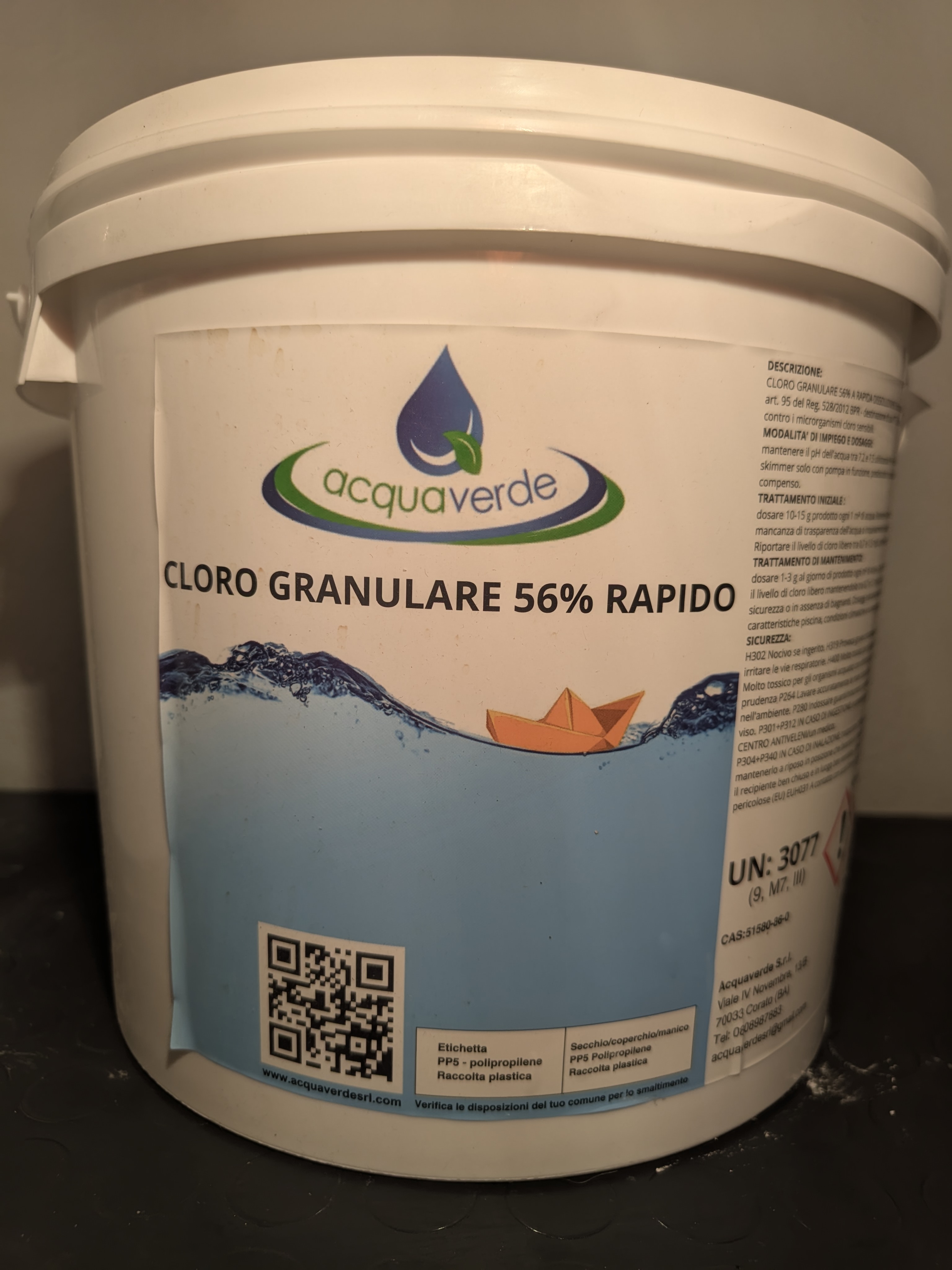
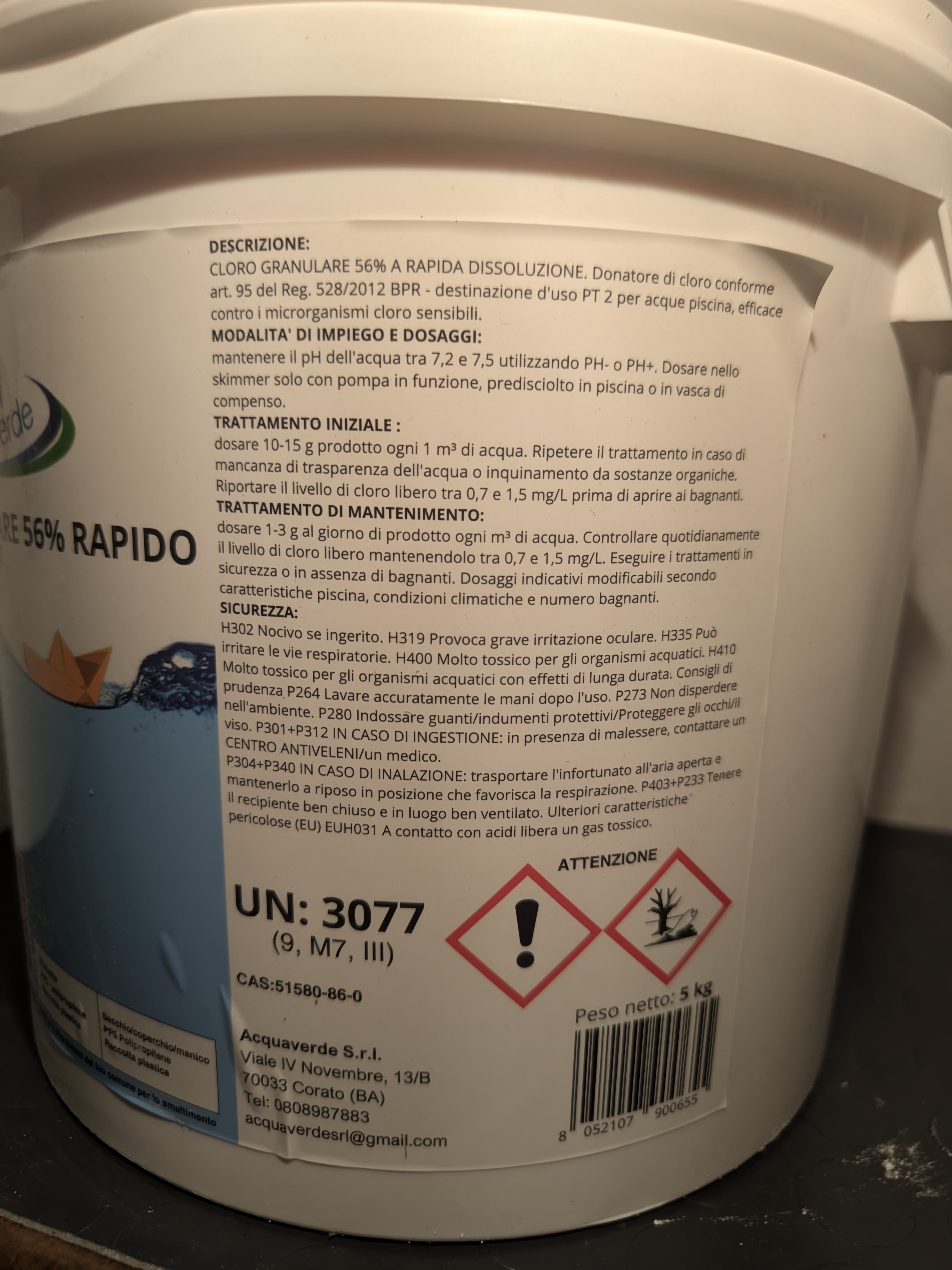
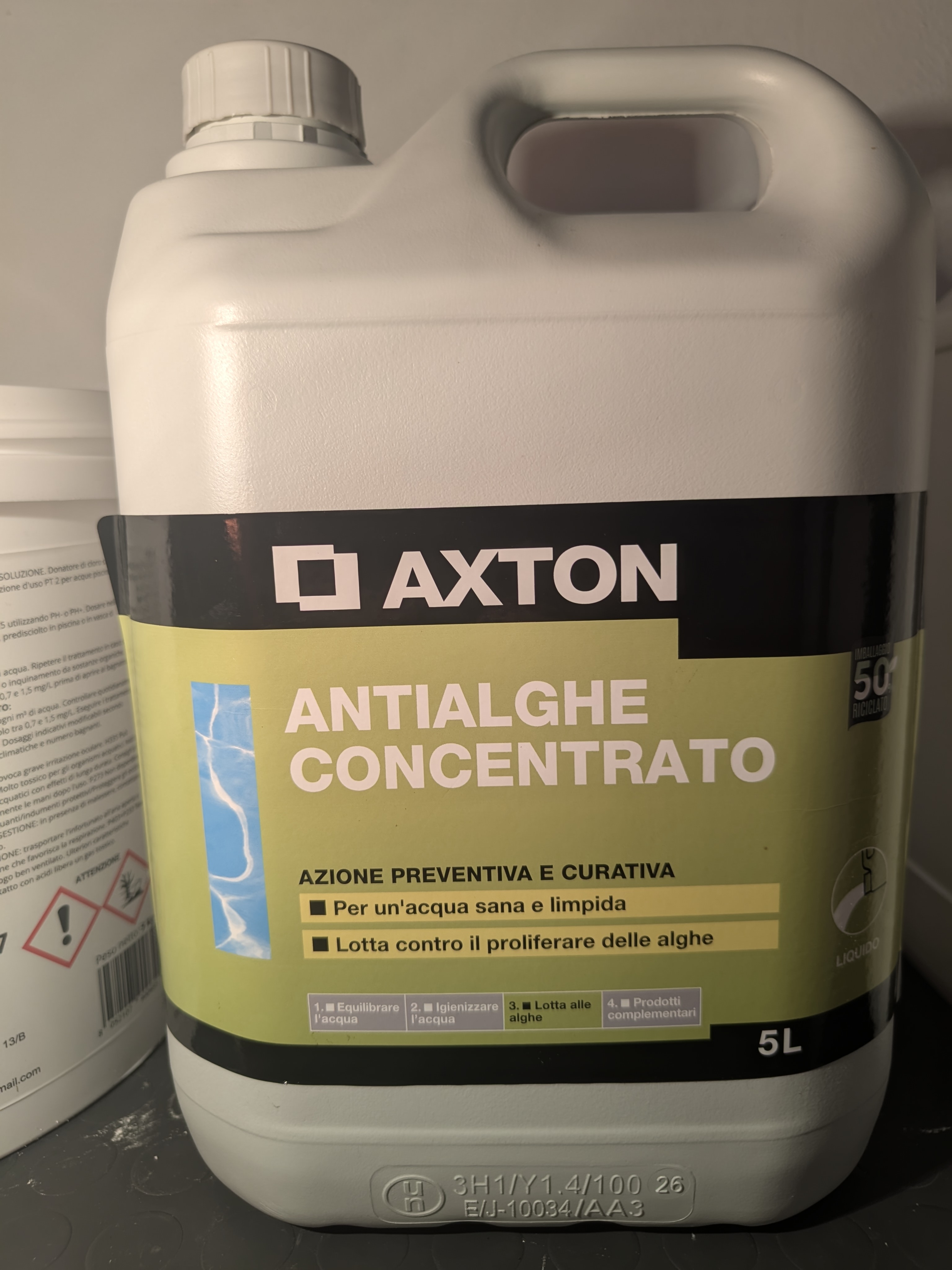
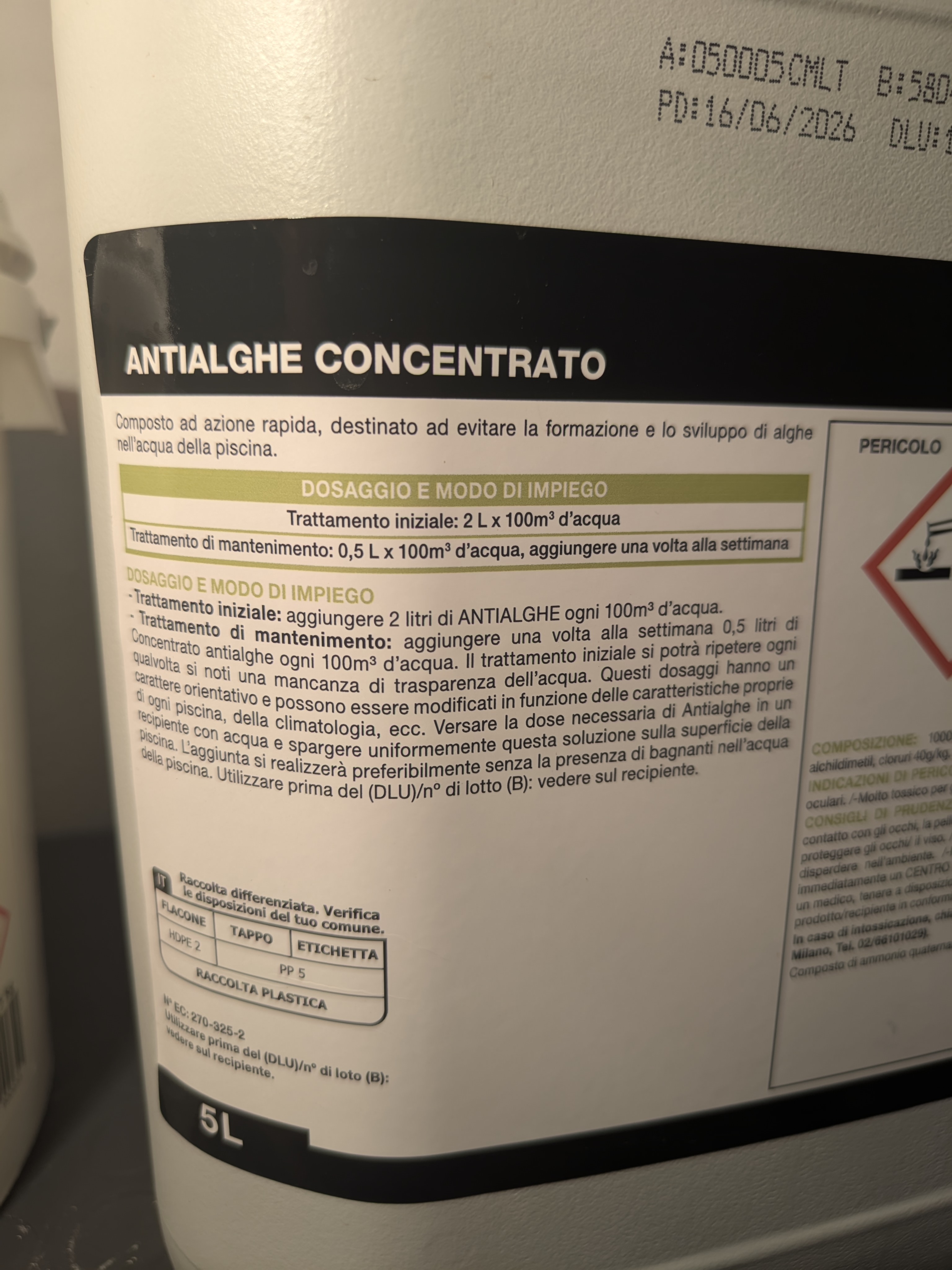
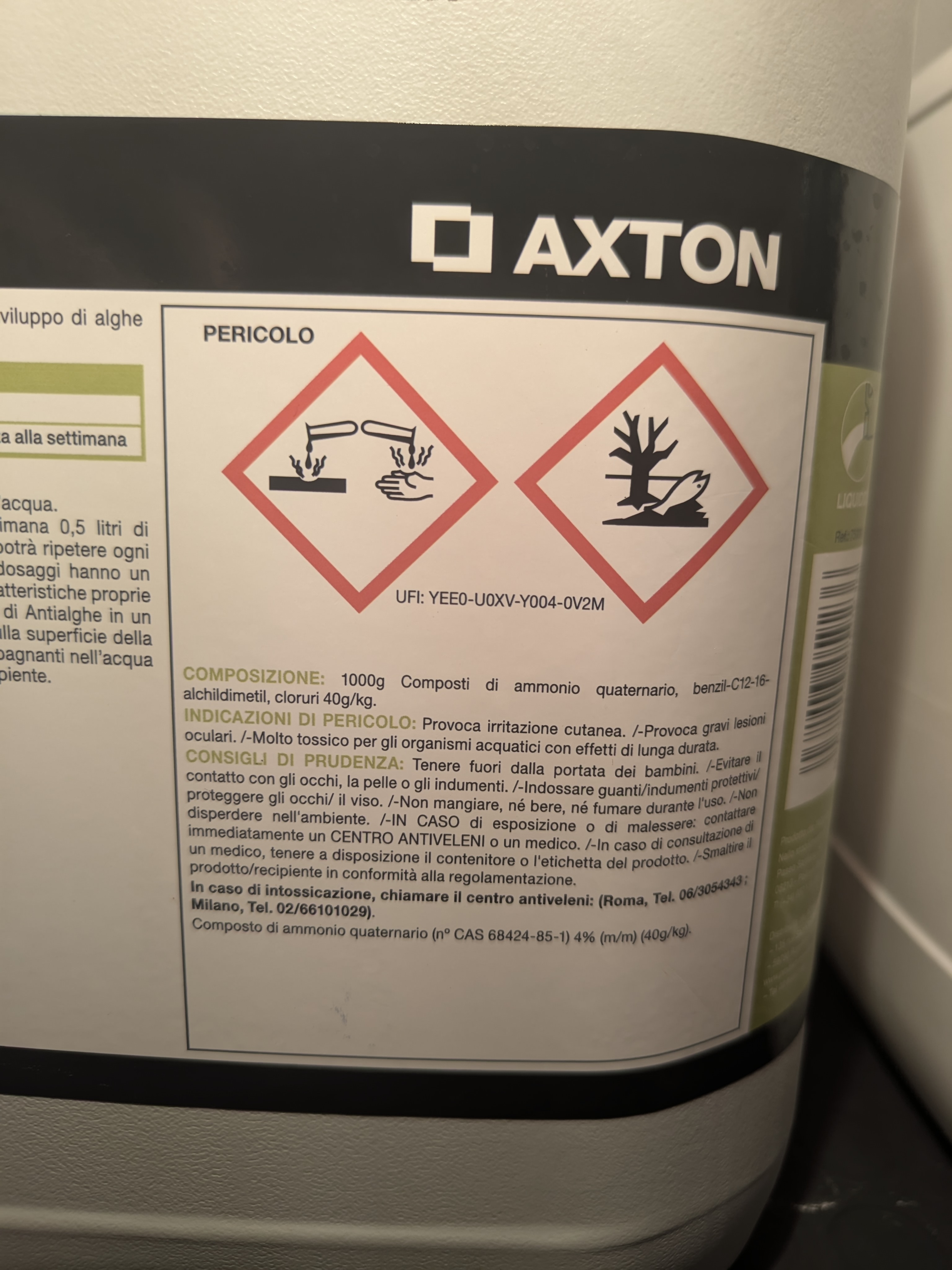
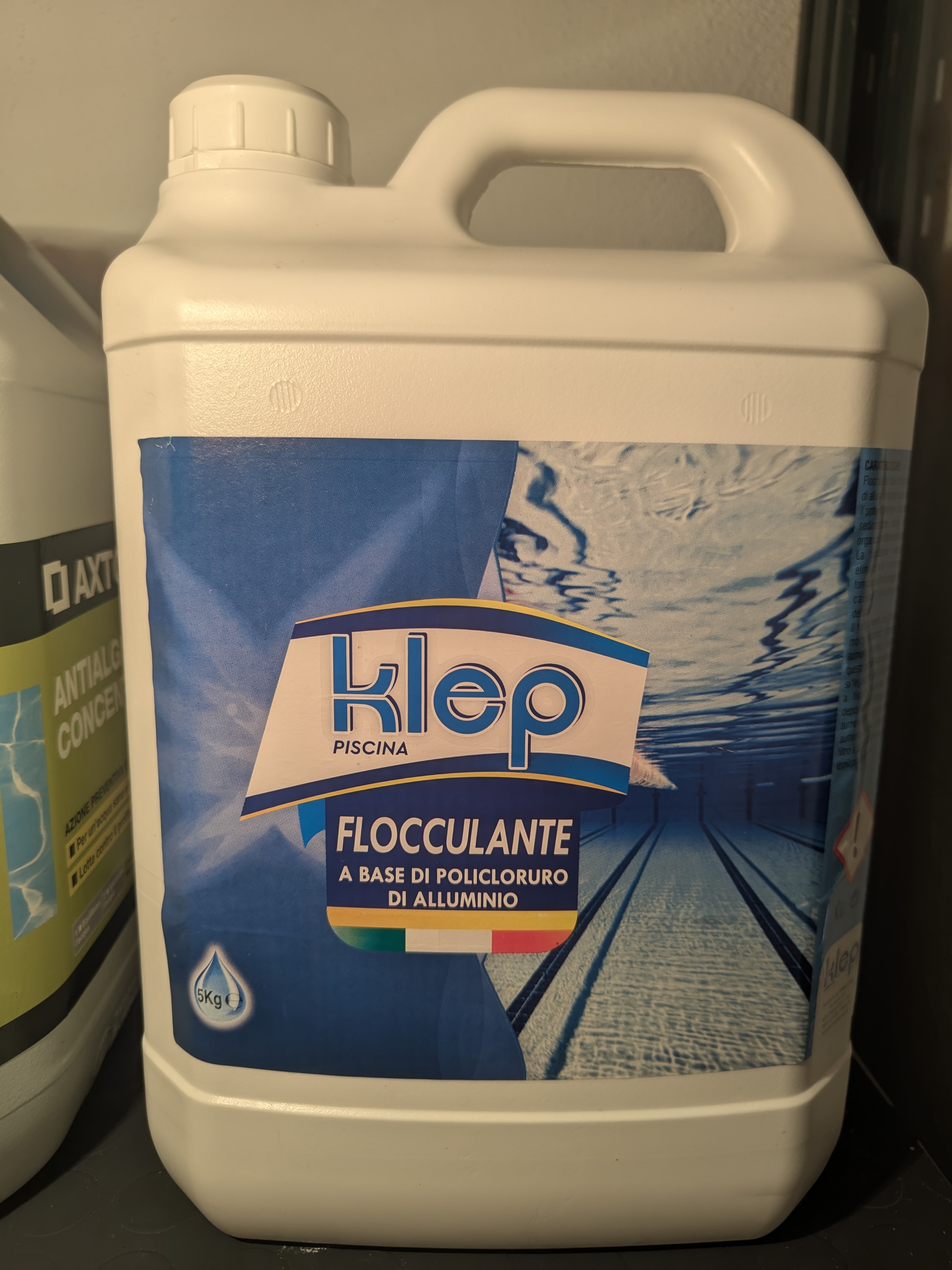
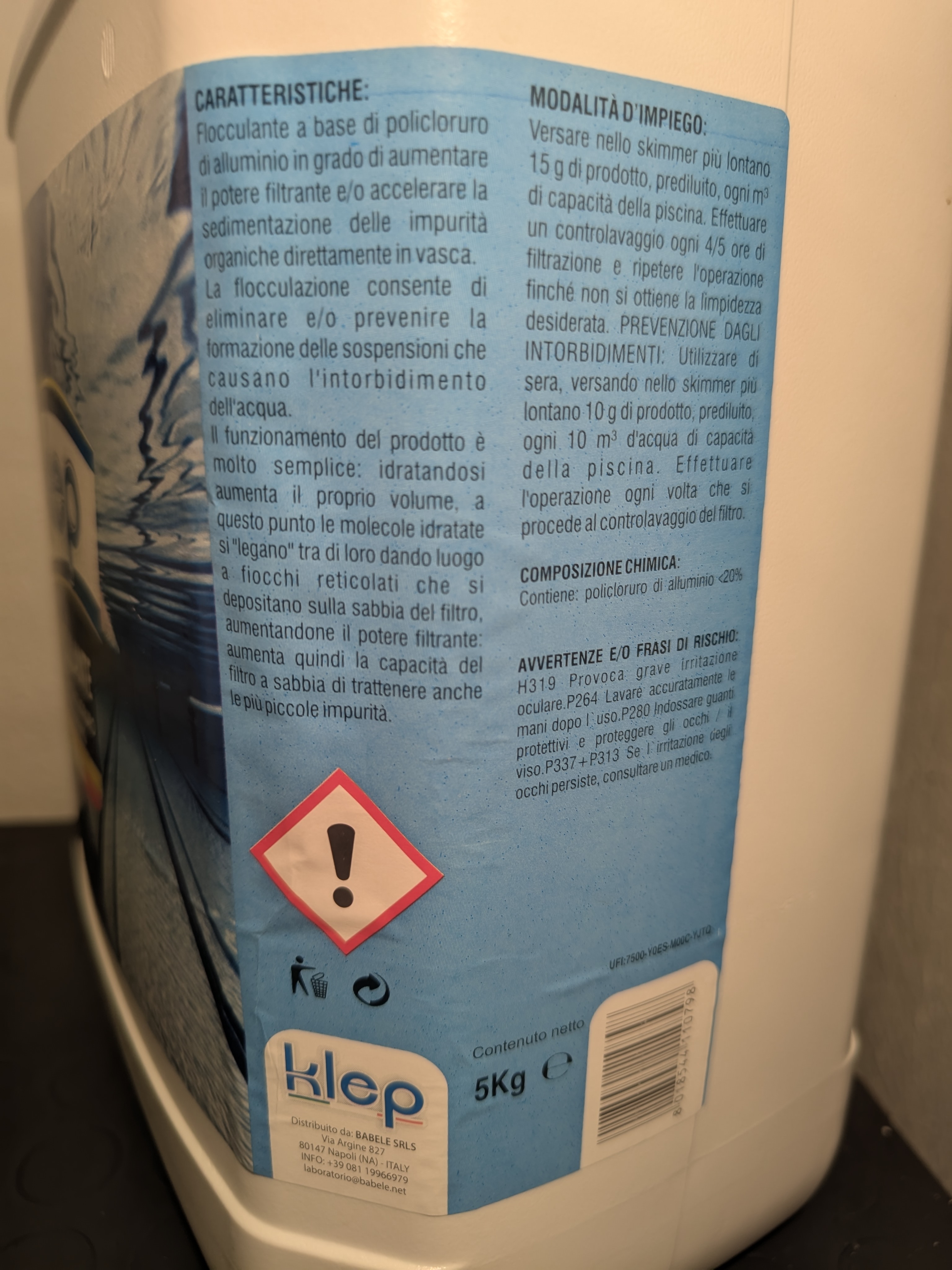
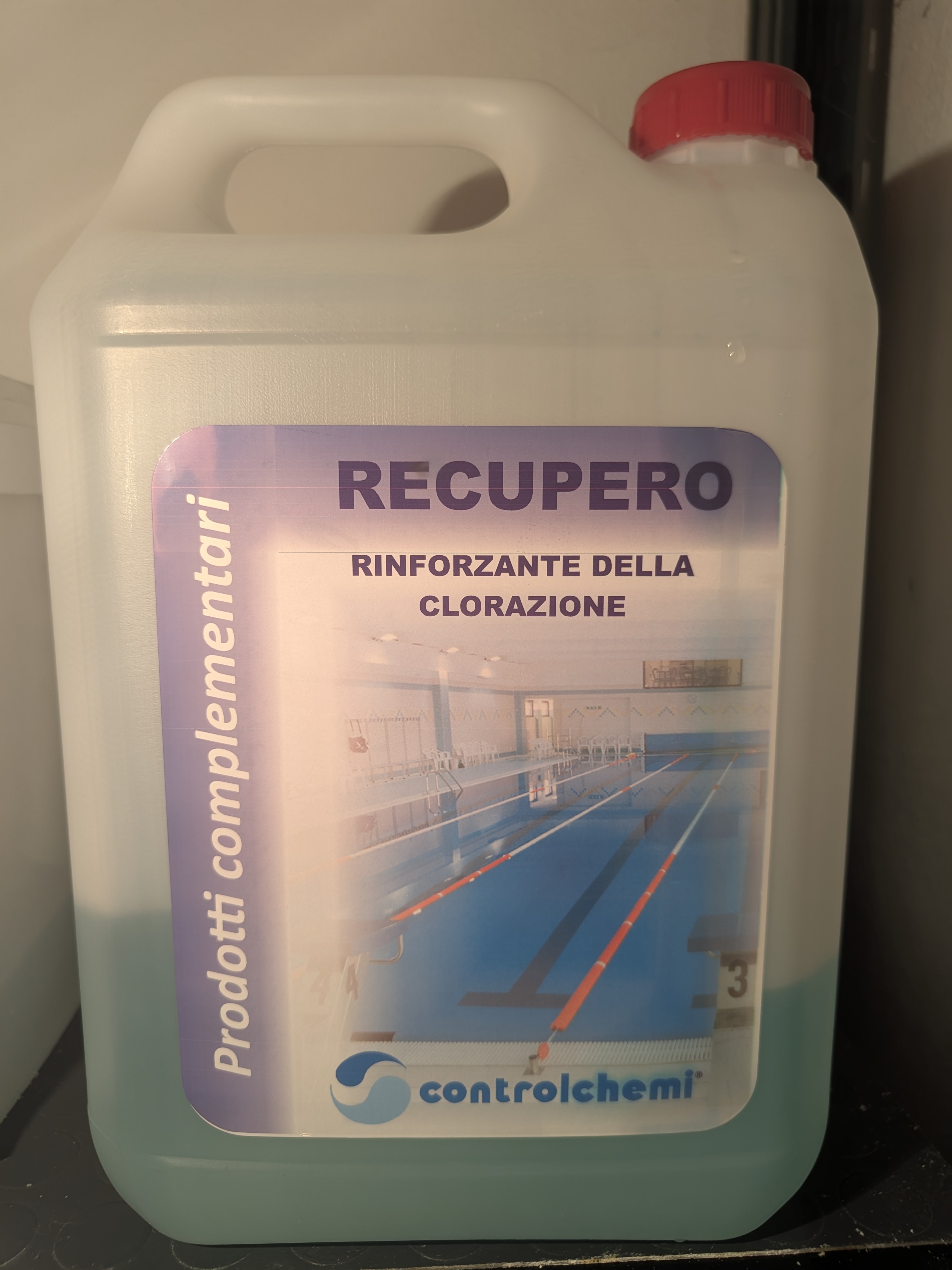
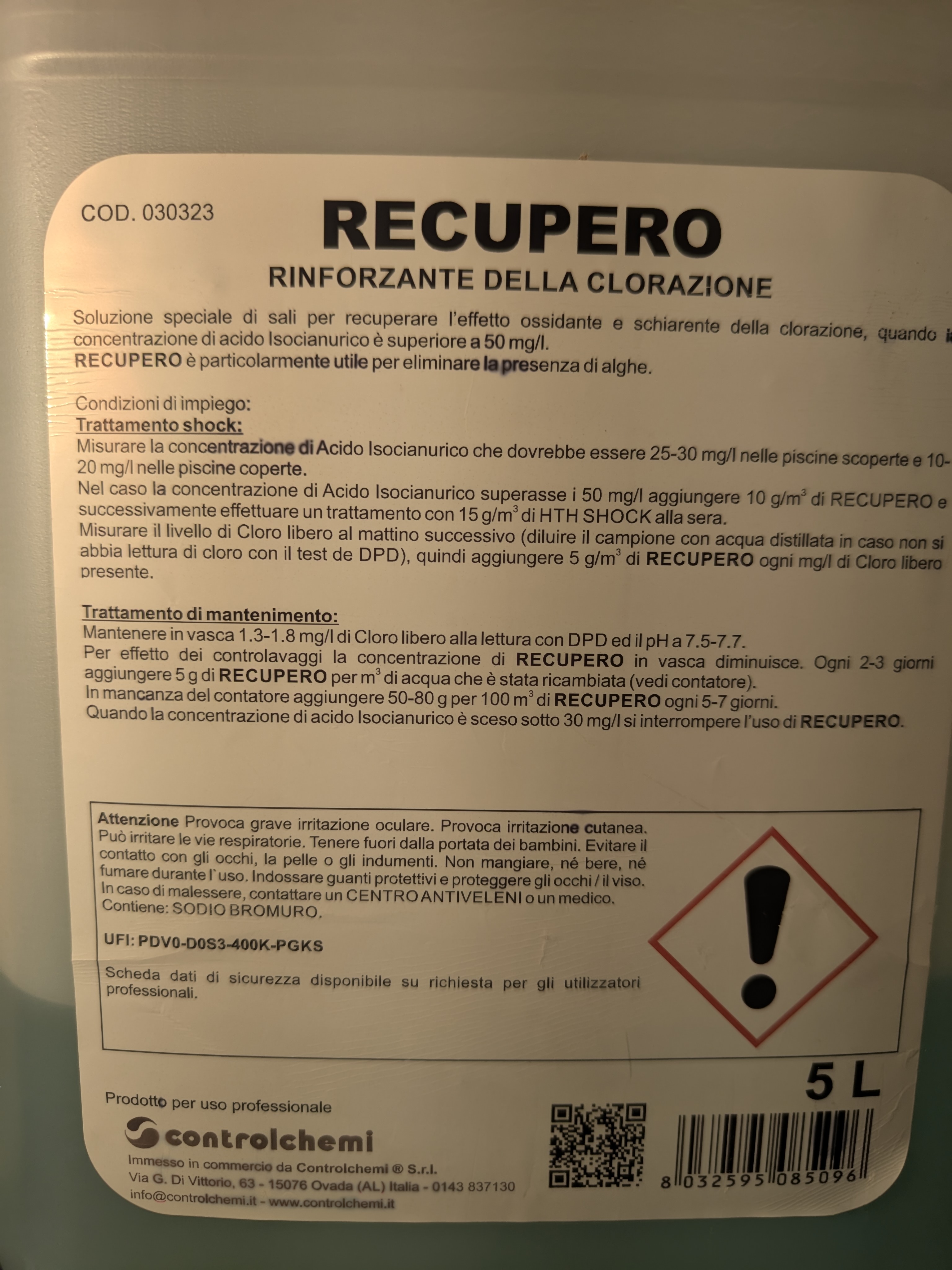
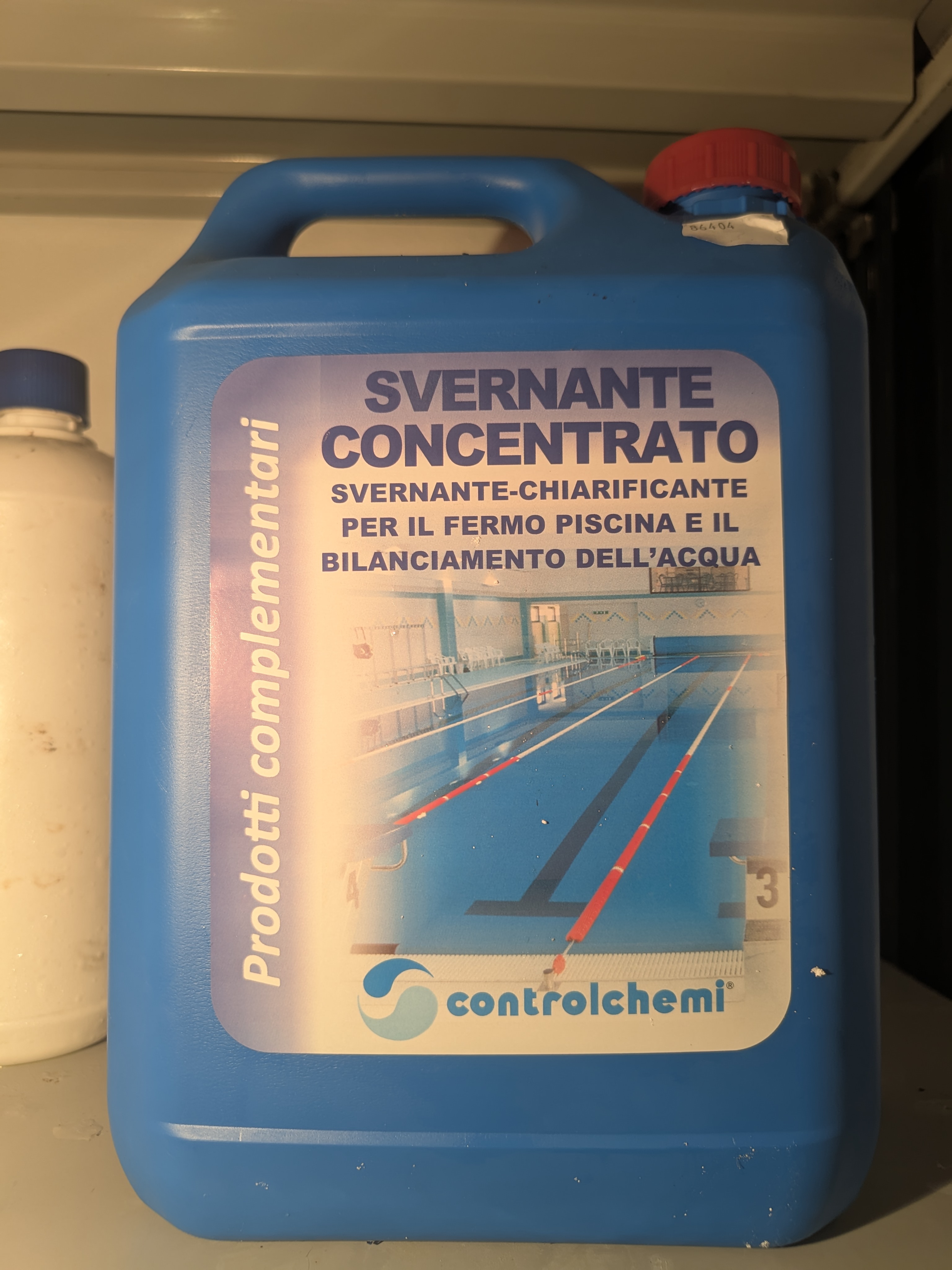
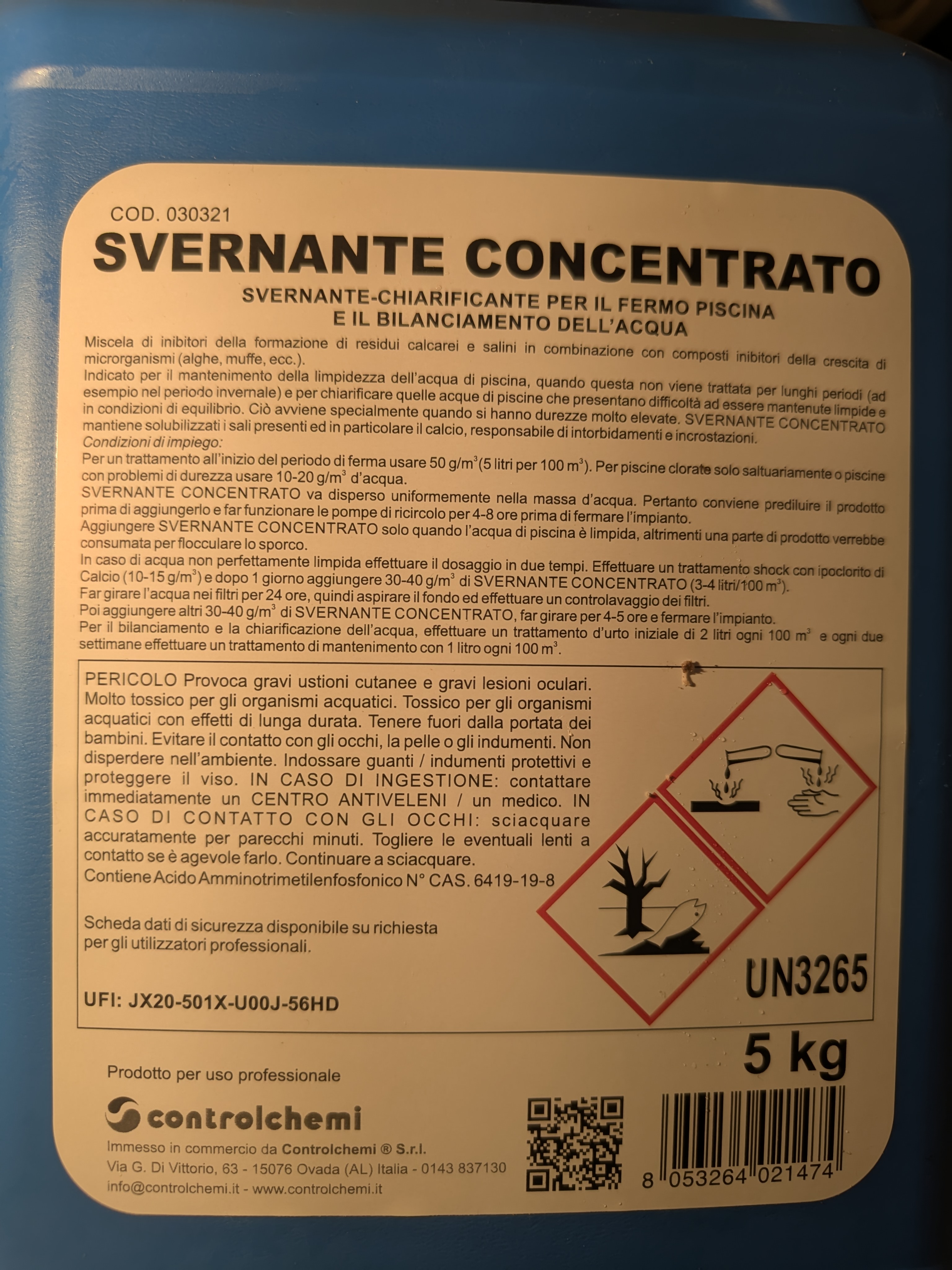
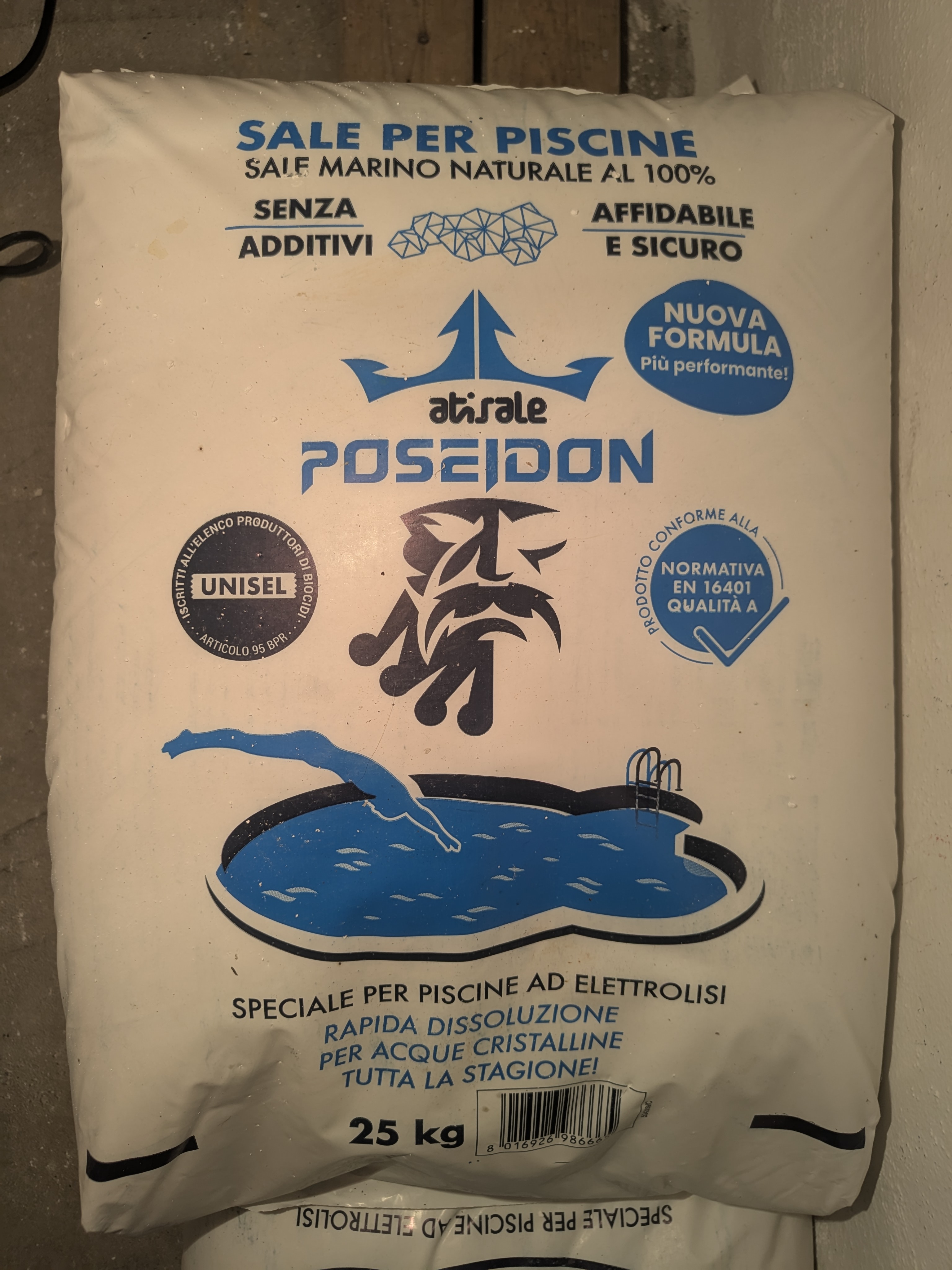

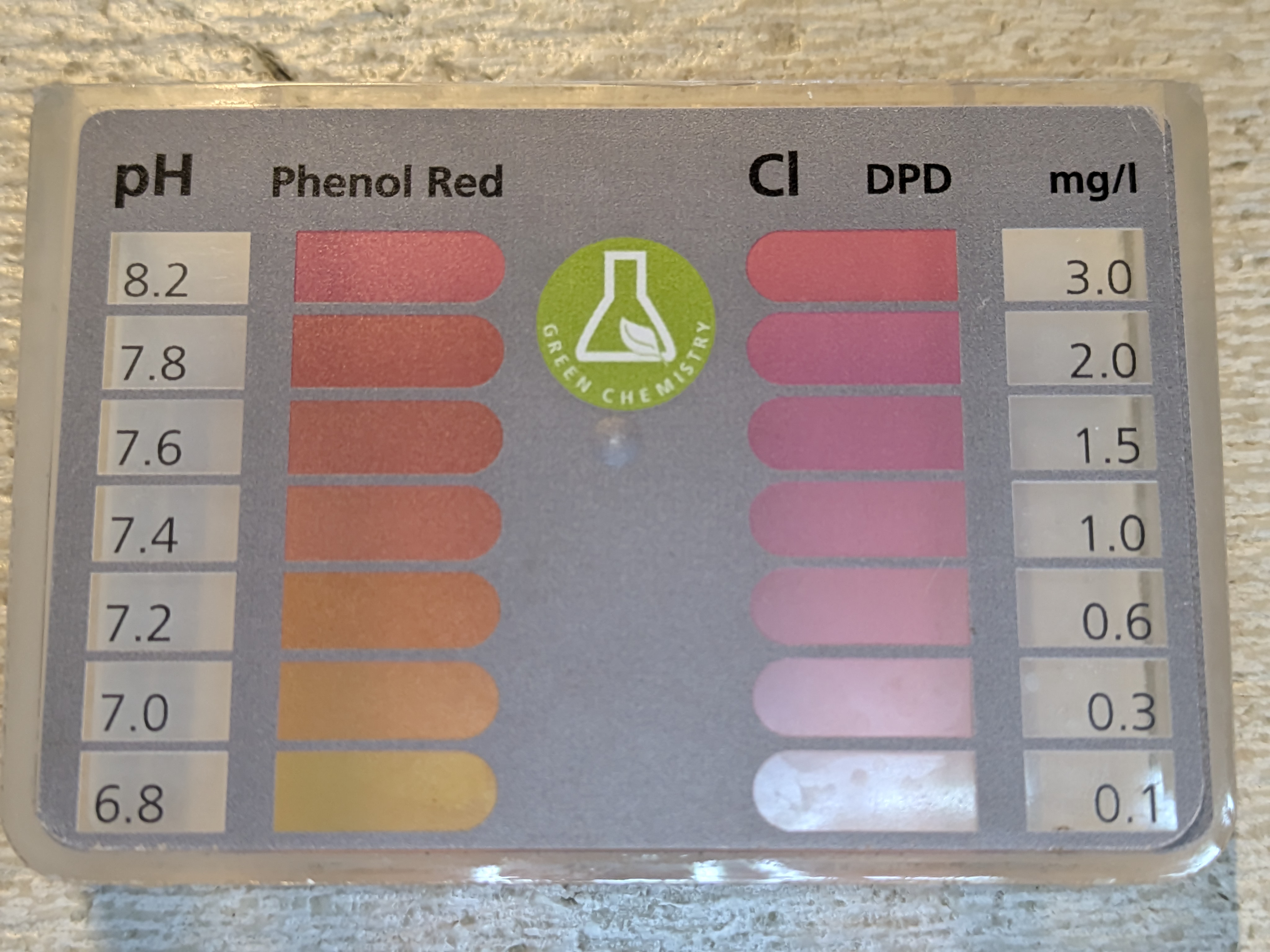
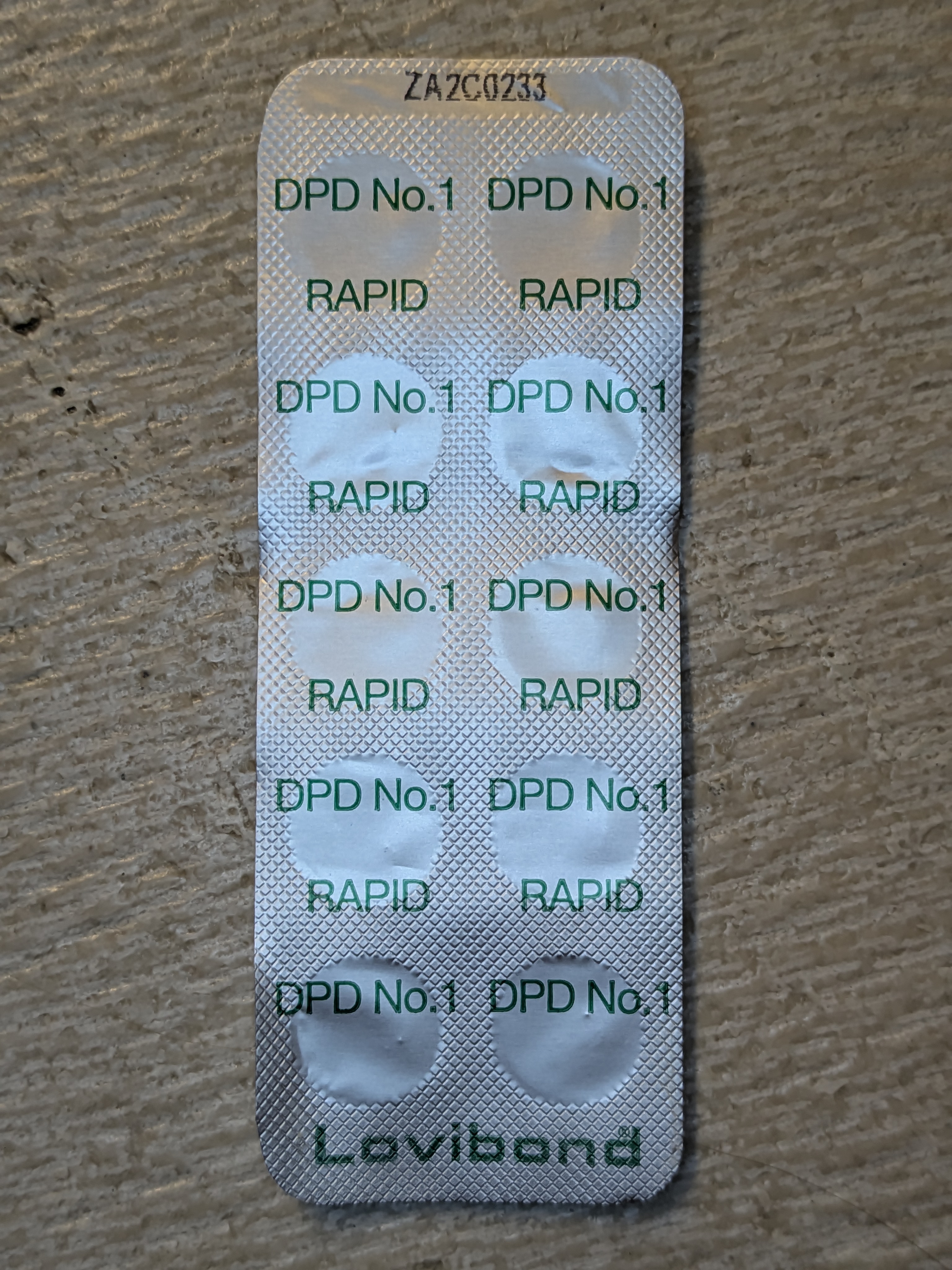
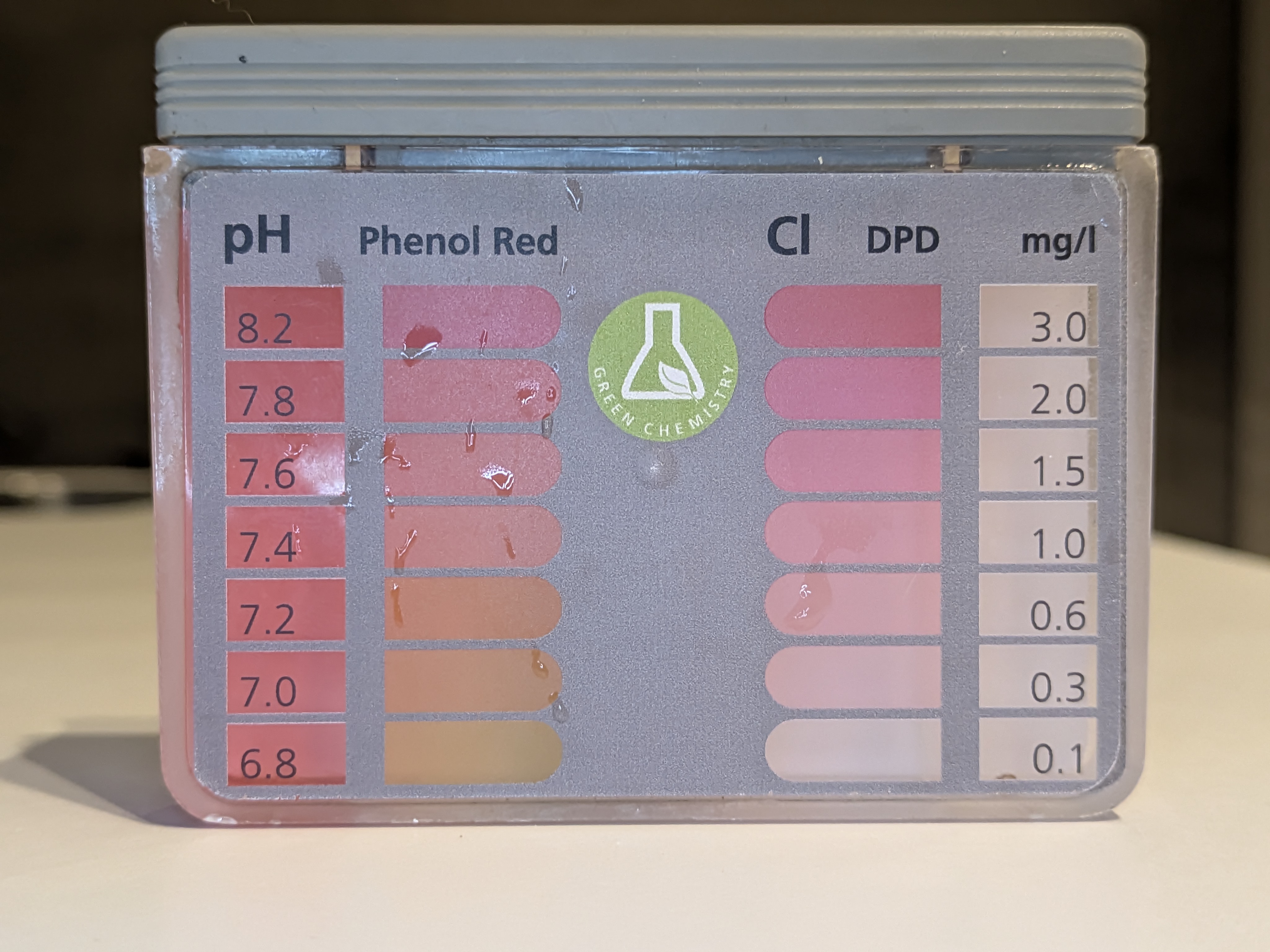
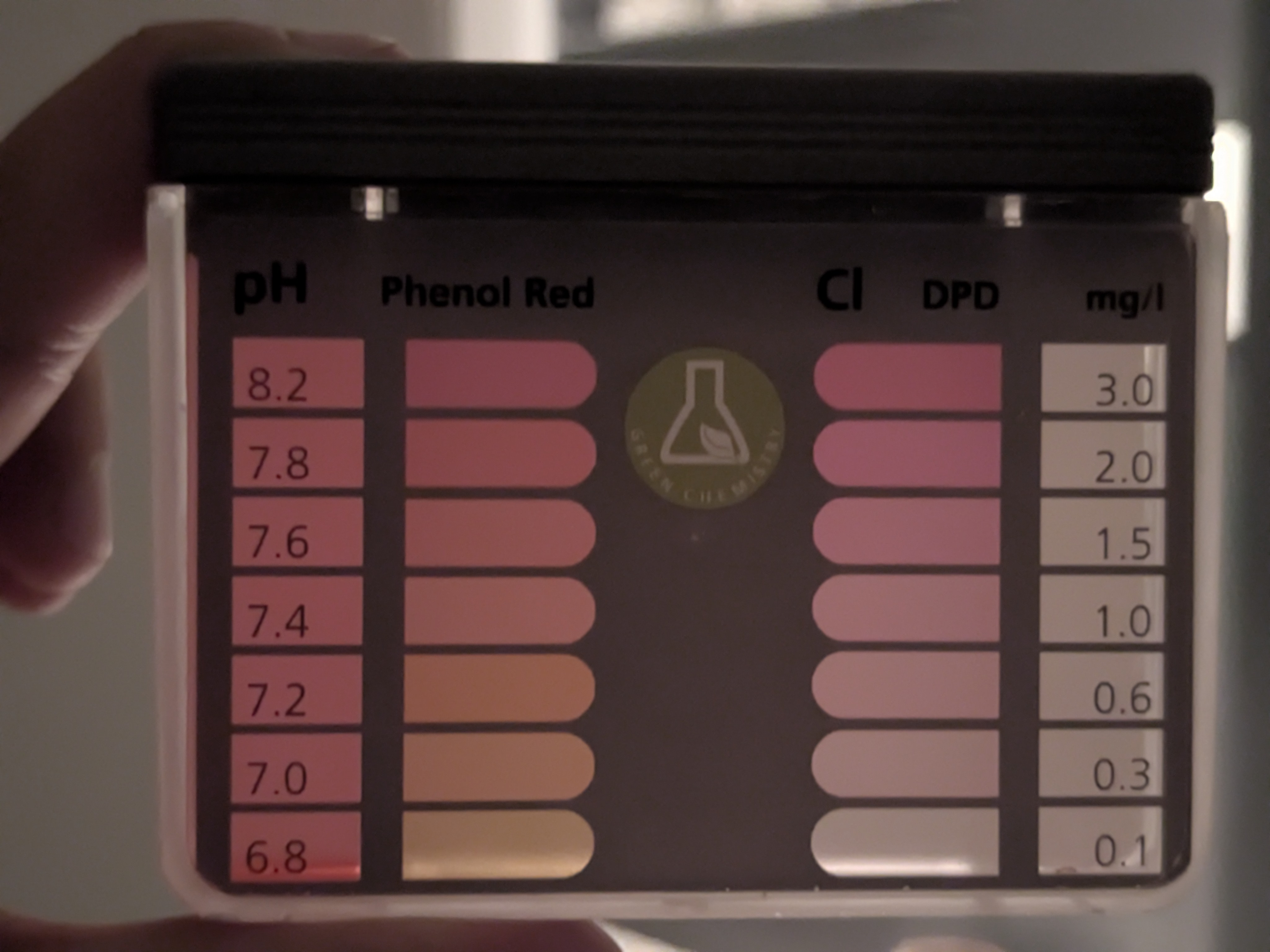
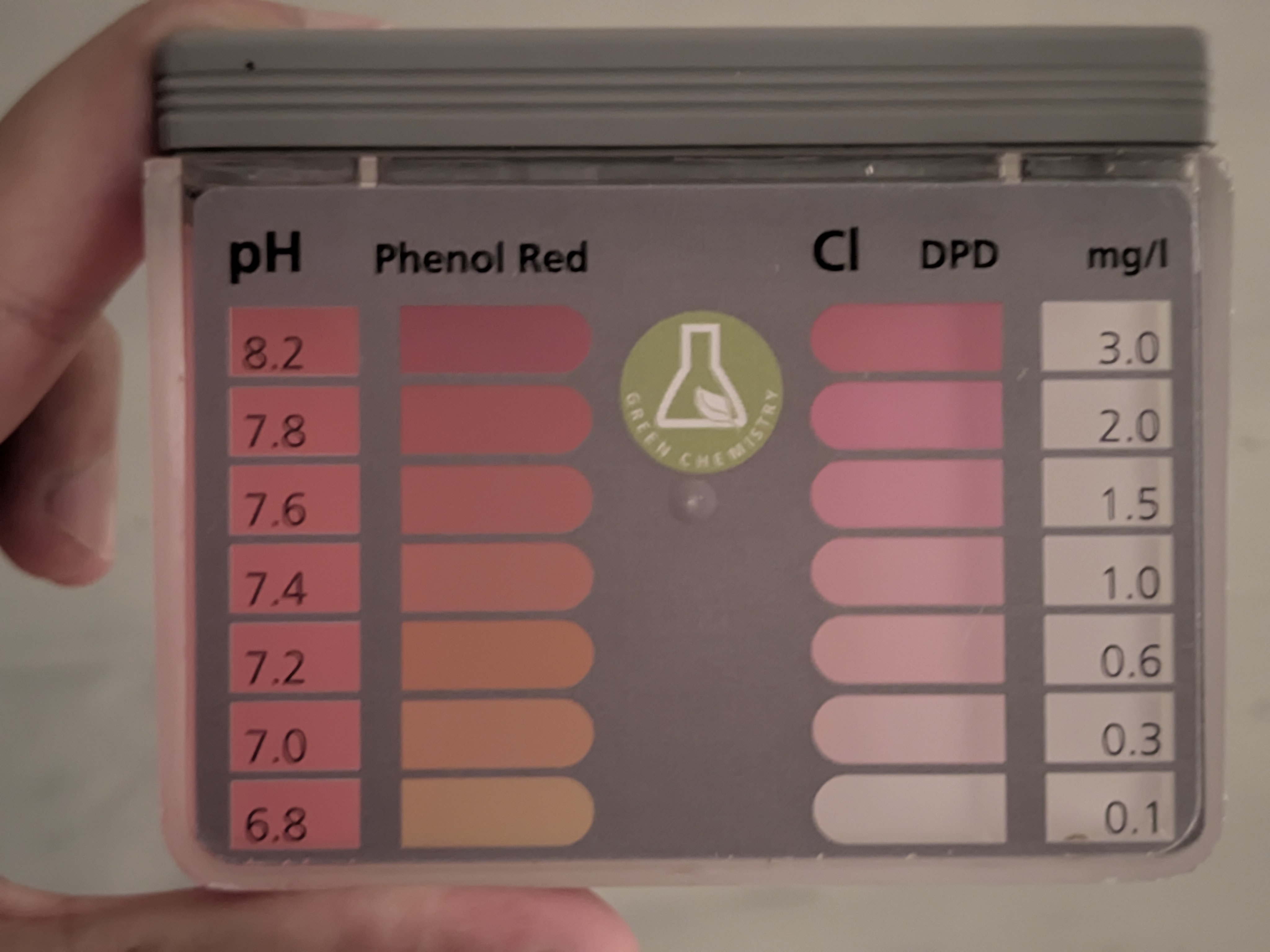
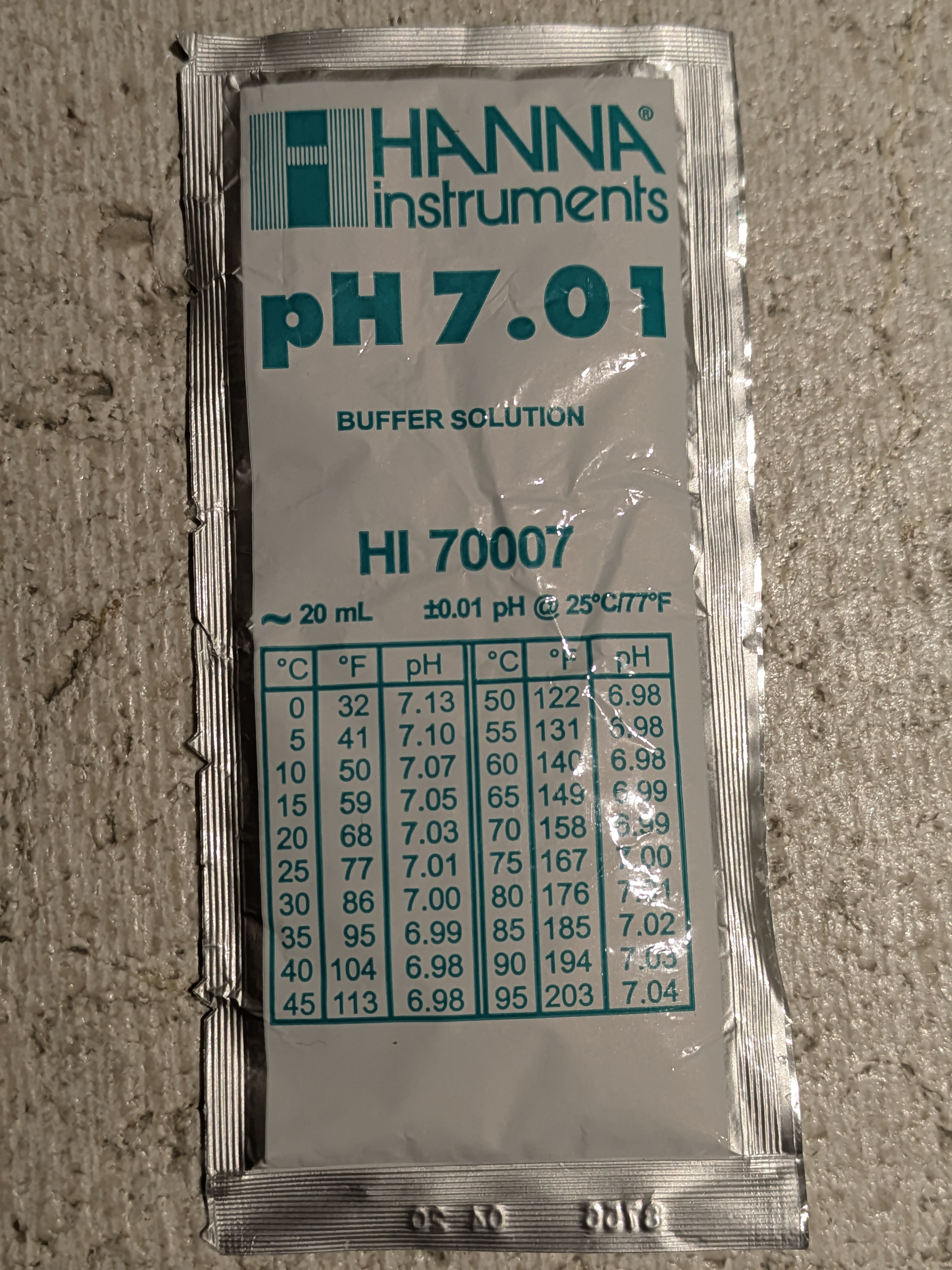
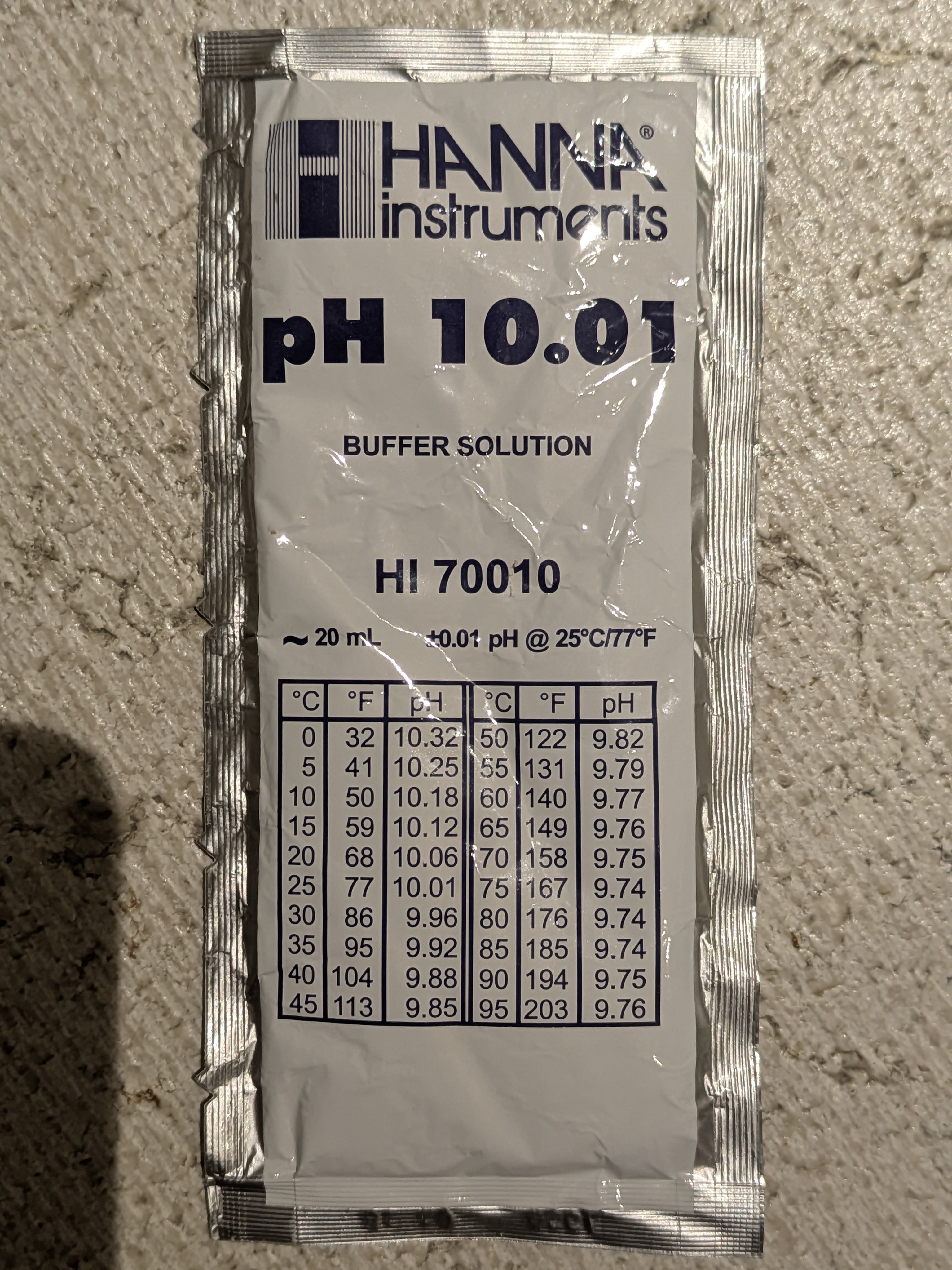
12_scan/ 2 files, 1 of them shown here as a picture
The 3D scan's derived plan. Good for geometry, useless for counting anything thin.
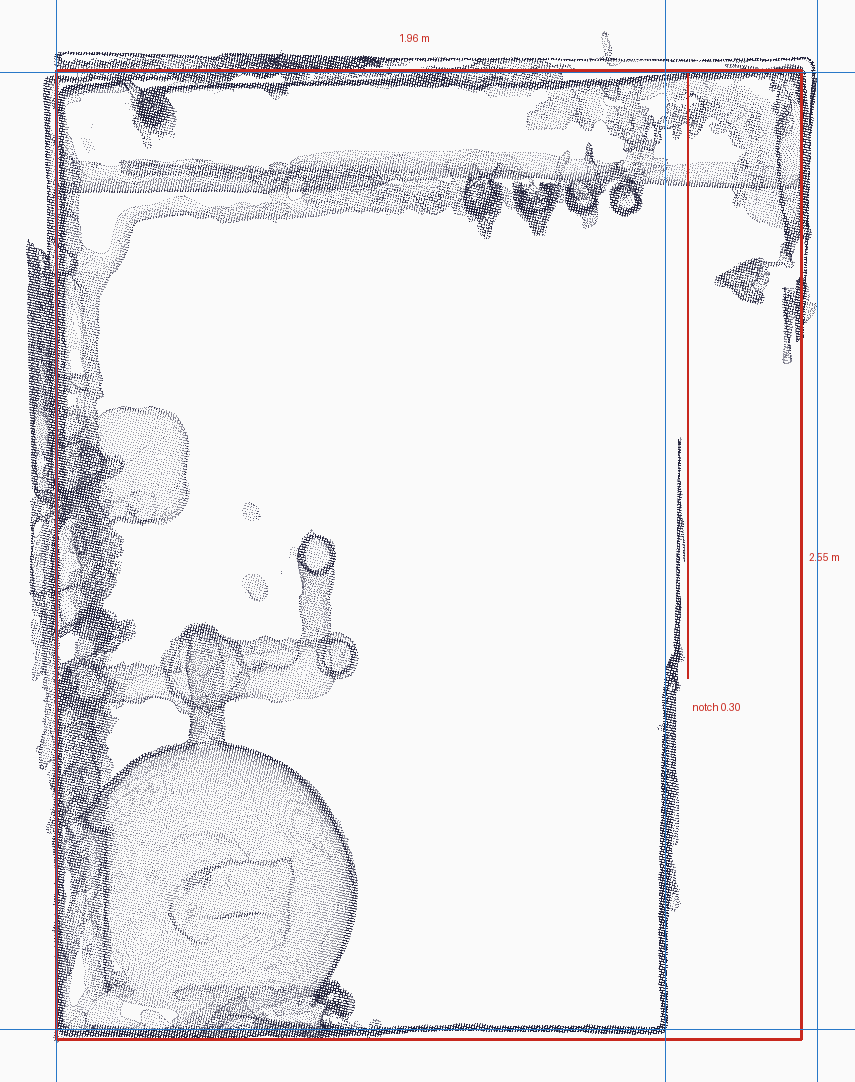
Not shown above, because a thumbnail would say nothing about them: 08_video/ holds 3 videos, two sweeps of the room and one at floor level, and 10_manuals/ holds 9 manuals, the makers' own documents with the official link for each in its SOURCES.txt.
§15What is in the folder
| Folder | What it holds |
|---|---|
| 00_inbox/ | Staging. New photographs and documents go in here named however they arrived, and are filed and renamed from there. |
| 01_survey/ | This document as HTML and PDF, plus the diagram as a PNG. The HTML is entirely self-contained: no internet, no linked files, every photograph embedded in it. |
| 02_printed-sheets/ | The four printed pages kept in the room, photographed. Everything in the legend, the procedures and the water figures is transcribed and translated from these. |
| 03_nameplates/ | The five plates and labels every specification rests on: the Kripsol filter plate, the DAB pump nameplate, the valve dial, and the acid drum. |
| 04_plant-room/ | Thirty-six photographs of this room, numbered in the order they were taken. Number 34 is the manifold wall with your own annotations on it; 35 to 37 are the night pass that reads the panel labels and the gauge needle. |
| 05_balance-room/ | Six photographs of the balance tank next door and the hatch that reaches it, with ANNOTATION-KEY.txt recording what the coloured marks on photograph 04 mean. |
| 06_pool/ | The pool itself, from both ends. Shape, layout and the overflow edge. Not dimensions: both frames are ultra-wide, an 18 mm equivalent by their own EXIF, and a volume once read off them was a third low and withdrawn. |
| 07_drawings/ | Your own drawings: the dimensioned sketch of this room, and the scaled plan showing both rooms and how they sit together. The plan is genuinely to scale, checked at 296 pixels per metre against your measurements. |
| 08_video/ | Three phone pans: two 360 degree sweeps and one floor-level survey. |
| 09_panoramas/ | Four flat, straightened wall views, each reprojected from the 39-megapixel photosphere and safe to count from: photograph 07 has been checked at four drops. The numbering starts at 05 because 01 to 03 were stitched images that drew six drops where there are four, and were deleted. The folder's READ-ME.txt keeps that lesson. |
| 10_manuals/ | The makers' own manuals for the filter, the chlorinator, the TRi PRO module and the pump, with SOURCES.txt giving the official link for each and the figures taken from it. |
| 11_products/ | The nine chemicals on the shelf, each photographed with its label, grouped by what they do. CATALOGUE.txt gives the active ingredient, the dose worked out for this pool, the hazards worst first, and a symptom-to-action guide. |
| 12_scan/ | A 3D scan of this room, 1.29 million triangles. Its geometry independently confirms the tape measure: 2.52 m against 2.55 along the long axis, 2.00 against 1.96 across. Not usable for counting anything, because thin pipework does not survive a scan at that density. |
Measured dimensions for both rooms, and what follows from them, are in DIMENSIONS.txt. What every chemical is and what to reach for is in 11_products/CATALOGUE.txt. Every file is named to one rule, set out in NAMING.txt at the top of the folder: an index, then what the file shows, then an optional note on how it differs from its neighbour, then a marked technical token. For proof of what is installed, the 39-megapixel photosphere and the panel photograph are the record. This document is an interpretation of them.
Compiled 2026-09-06 from photographs of the room and from the printed sheets kept in it. The sheets are a household reference rather than a professional specification, and do not necessarily capture everything about this installation. Nothing here has been verified by a physical inspection or against an installation drawing. For evidence of what is installed, the 39-megapixel photosphere and the panel photograph are the record.